

Archive · 21 Jan 2026
India Seeks Budget Support for Solar and Renewable Energy Growth
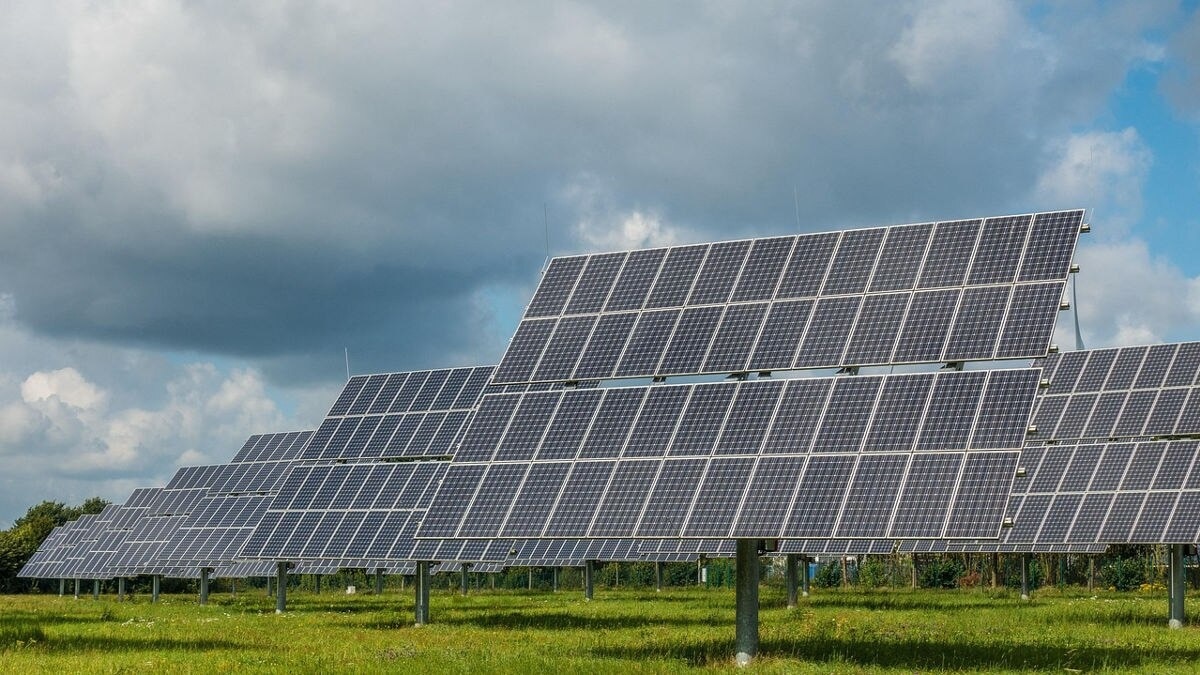
India wants to make its power sector better and more sustainable.
They have a new plan called the Draft National Electricity Policy 2026.
This plan wants to make sure everyone has enough electricity, reduce pollution, and use more clean energy like solar and wind power.
The government is also asking for help from the public to make this plan better.
At the same time, the solar industry wants the government to help them by giving them lower taxes, easier financing, and special incentives.
This is because India wants to get 500GW of its energy from non-fossil sources by 2030, and solar power is a big part of that plan.
The industry also wants to make more solar parts in India so they don't have to depend on China.
They also want taxes on solar storage to be removed to make solar power cheaper.
The government is happy because state-run companies are giving them a lot of money through dividends and selling parts of their businesses, which helps the government meet its financial goals.

Draft National Electricity Policy 2026 aims to transform India's power sector, targeting 2,000 kWh per capita electricity consumption by 2030 and 4,000 kWh by 2047.
India seeks to reduce emissions intensity by 45% below 2005 levels by 2030 and achieve net-zero emissions by 2070.
Solar industry proposes reduced corporate tax, GST exemptions, and easy financing in Union Budget 2026-27 to boost the solar sector.
Enhanced PLI scheme proposed for polysilicon, ingot, and wafer manufacturing to reduce dependence on China.
Renewable energy sector highlights the need for grid, storage, and transmission infrastructure improvements to support capacity addition.
- Who
- Indian government, solar industry players, renewable energy stakeholders
- What
- Draft National Electricity Policy 2026, budget proposals for solar and renewable energy sector
- When
- Union Budget 2026-27, Draft NEP 2026 released on January 21, 2026
- Where
- India
- Why
- To boost solar and renewable energy growth, ensure reliable power supply, and meet climate commitments
- Target
- 500GW of non-fossil energy by 2030
- Per Capita Electricity Consumption Target
- 2,000 kWh by 2030 and 4,000 kWh by 2047
- Emissions Reduction Target
- 45% below 2005 levels by 2030
- Net-Zero Emissions Target
- 2070
- Renewable Energy Capacity
- 262 GW of installed non-fossil capacity
- Renewable Curtailment Issues
- Transmission and grid stability concerns
- Storage Support
- Viability gap funding (VGF) for battery capacity
- Discom Payment Delays
- Weighing on investor sentiment
Sources
Budget 2026: Enhanced PLI, tax breaks to cut Chinese dependence on solar, say industry players

Industry pushes for 50% govt sourcing in space sector

CPSEs’ dividend, stake sale, InvIT boosted non-tax revenue to over ₹77,000 crore
Budget FY27: “Reform Express” to gather steam
Rethink amid fragmented supply chains

Budget 2026 Expectations LIVE Updates: What's in store for MSMEs, AI, defence? More relief for taxpayers this year?
Budget 2026: Renewable sector wants grid, storage fixes as capacity addition runs into bottlenecks

Draft NEP 2026 put out for public consultation on reliable power supply
'Tweaks to capital gains tax': What could sway market sentiment in Budget 2026?
