Archive · 28 Jul 2026
Centre Introduces Stricter Anti-Cheating Law Amid Protests

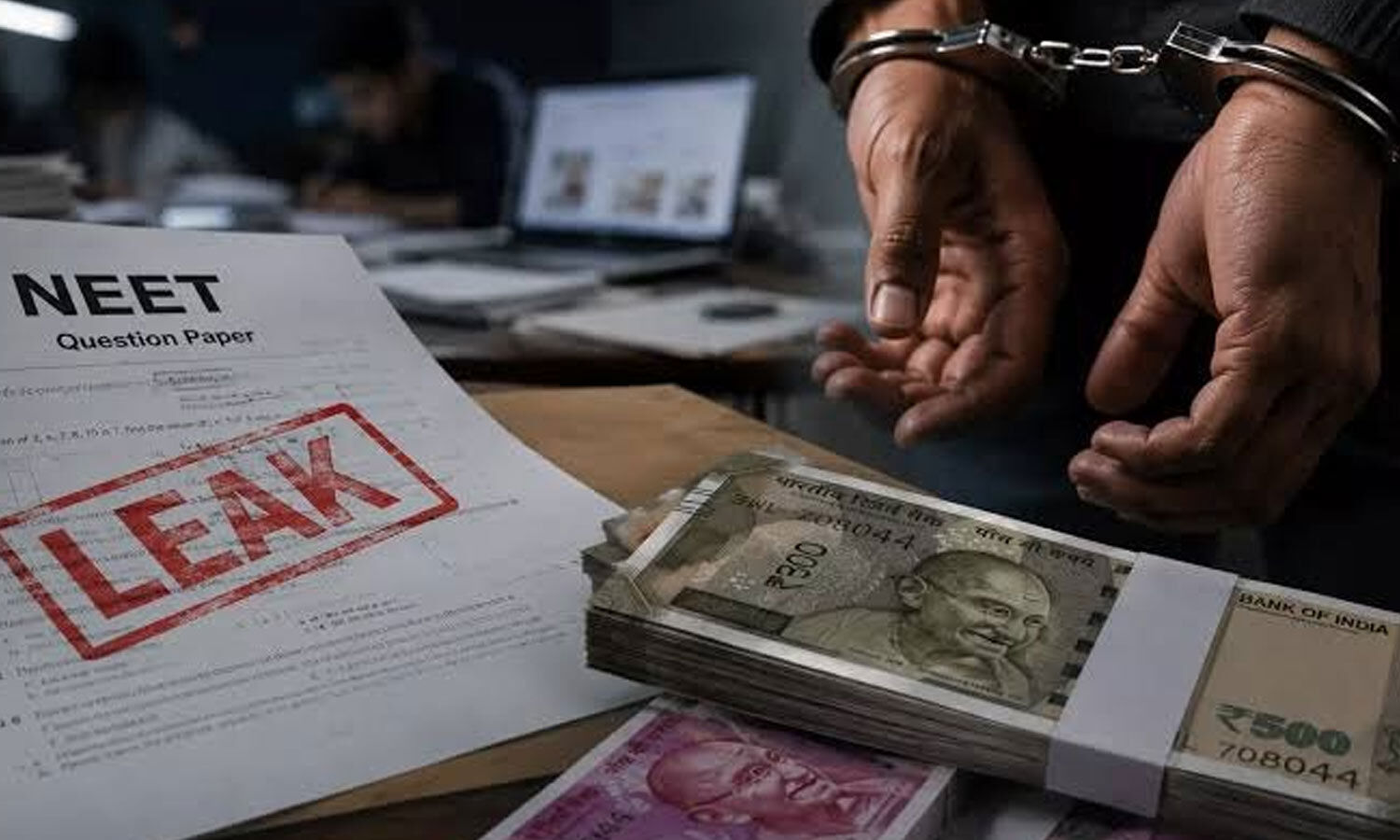
The Indian government has proposed significant changes to the law that prevents cheating in public exams.
These changes include much tougher punishments, faster investigations, and special courts to handle cases quickly.
The goal is to stop cheating and restore trust in the exam system.
The new law suggests longer jail times and bigger fines for those involved in cheating.
It also introduces special teams to investigate crimes and special courts to try cases within a few months.
The government believes these changes will make cheating much harder and protect the fairness of exams.

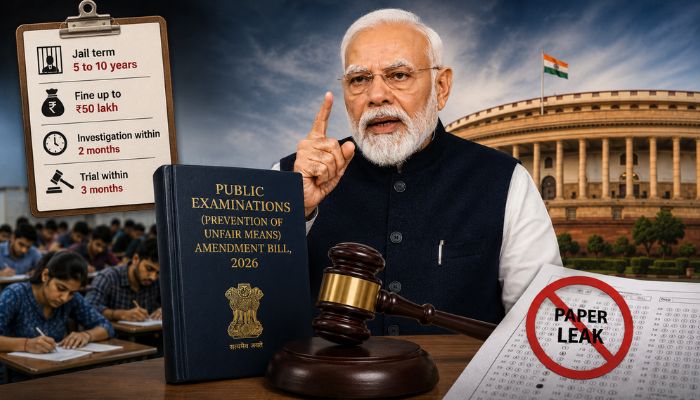
The Union Cabinet has approved the Public Examinations (Prevention of Unfair Means) Amendment Bill, 2026, which aims to strengthen the integrity of public examinations.
The Bill proposes increasing the maximum imprisonment for examination-related offences from five years to ten years and the maximum fine from ₹10 lakh to ₹50 lakh.
Special Task Forces will be constituted to ensure investigations are completed within two months, and Special Fast Track Courts will be designated to complete trials within three months.
Service providers involved in examination malpractice can face fines up to ₹5 crore and be barred from conducting exams for up to eight years.
The Bill introduces a separate appeal mechanism, with appeals to be heard by a Division Bench of the High Court within three months.
- Who
- The Union Cabinet and Prime Minister Narendra Modi
- What
- Proposed amendments to the Public Examinations (Prevention of Unfair Means) Act, 2024
- When
- Introduced in the Lok Sabha on July 27, 2026
- Where
- India
- Why
- To strengthen the integrity, transparency, and credibility of public examinations and ensure faster investigations and trials.
Stricter Penalties and Faster Trials
Concerns Over Harsh Punishments
Increased Punishments
Stricter Penalties and Faster Trials
The government believes that increasing punishments will act as a stronger deterrent against organised paper leak syndicates and other examination fraud.
Concerns Over Harsh Punishments
Critics argue that the increased punishments are too harsh and could lead to wrongful convictions due to the pressure to meet strict timelines.
Special Fast Track Courts
Stricter Penalties and Faster Trials
The introduction of Special Fast Track Courts is seen as a necessary measure to ensure speedy trials and maintain the integrity of public examinations.
Concerns Over Harsh Punishments
Opponents worry that the speedy trials might compromise the fairness of the judicial process and lead to miscarriages of justice.
- Bill Name
- Public Examinations (Prevention of Unfair Means) Amendment Bill, 2026
- Introduction Date
- July 27, 2026
- Current Maximum Imprisonment
- 5 years
- Proposed Maximum Imprisonment
- 10 years
- Current Maximum Fine
- ₹10 lakh
- Proposed Maximum Fine
- ₹50 lakh
- Special Task Force Investigation Timeline
- 2 months
- Special Fast Track Court Trial Timeline
- 3 months
- Organised Crime Minimum Imprisonment
- 7 years
- Organised Crime Maximum Fine
- ₹10 crore