Archive · 15 Jan 2026
Railways Discontinues Colonial Bandhgala Uniform
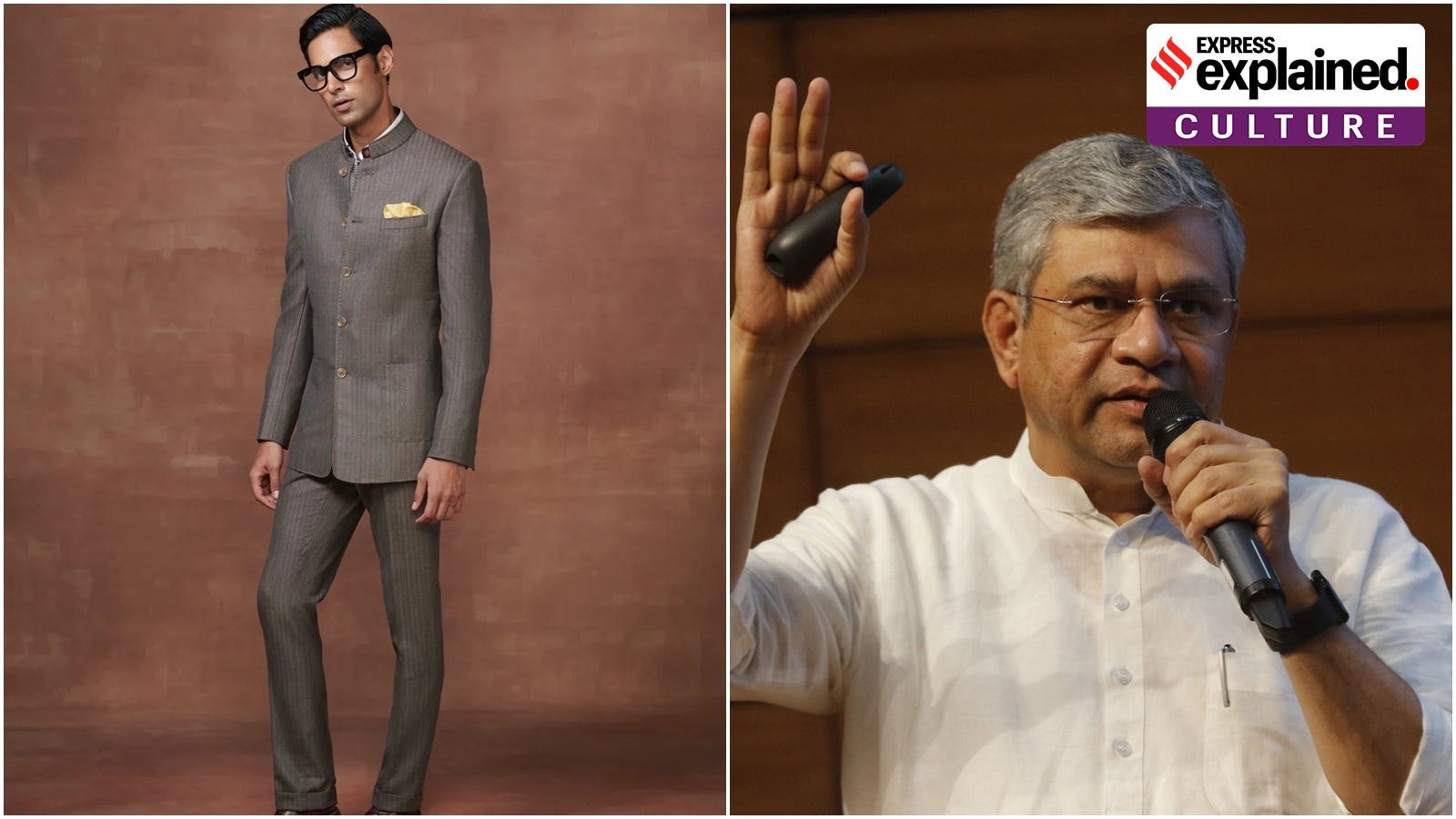
The Indian Railways has decided to stop using the bandhgala uniform, which was called a colonial relic.
The bandhgala, also known as the Jodhpuri jacket, has a long history in India.
It started in the princely state of Jodhpur and was influenced by Mughal and Rajput cultures.
The jacket was made for royal courts and later became popular in the West through polo teams.
It was designed to keep warm and show off jewelry.
A fashion designer, Raghavendra Singh Rathore, has worked to keep this traditional jacket popular in modern times.
The Railways Minister said it was time to stop using this old-style uniform.

Indian Railways discontinues the bandhgala uniform, terming it a colonial relic.
The bandhgala, or Jodhpuri jacket, originated in the princely state of Jodhpur, Rajasthan.
It evolved from Mughal ceremonial codes, Rajput warrior aesthetics, and Marwar tailoring traditions.
The jacket became popular in the West in the 1930s through Jodhpur polo teams.
Fashion designer Raghavendra Singh Rathore has modernized the bandhgala, making it a global fashion statement.
- Who
- Indian Railways, Union Railways Minister Ashwini Vaishnaw, Fashion Designer Raghavendra Singh Rathore
- What
- Discontinuation of the bandhgala uniform, historical evolution of the bandhgala jacket
- When
- Announcement by Ashwini Vaishnaw, historical evolution over centuries
- Where
- India, princely state of Jodhpur, Rajasthan
- Why
- Considered a colonial relic, functional and cultural reasons for its design
- Uniform Discontinued
- Bandhgala
- Origin
- Princely state of Jodhpur, Rajasthan
- Historical Influence
- Mughal ceremonial codes, Rajput warrior aesthetics, Marwar tailoring traditions
- Modern Popularity
- 1930s, Jodhpur polo teams
- Designer
- Raghavendra Singh Rathore
- Cultural Significance
- Symbol of Indian provenance and royal heritage
- Functional Design
- High-neck for cold weather, showcasing jewelry