1 week ago
Drill-and-Blast Method Brings Safer Progress to SLBC Tunnel Work
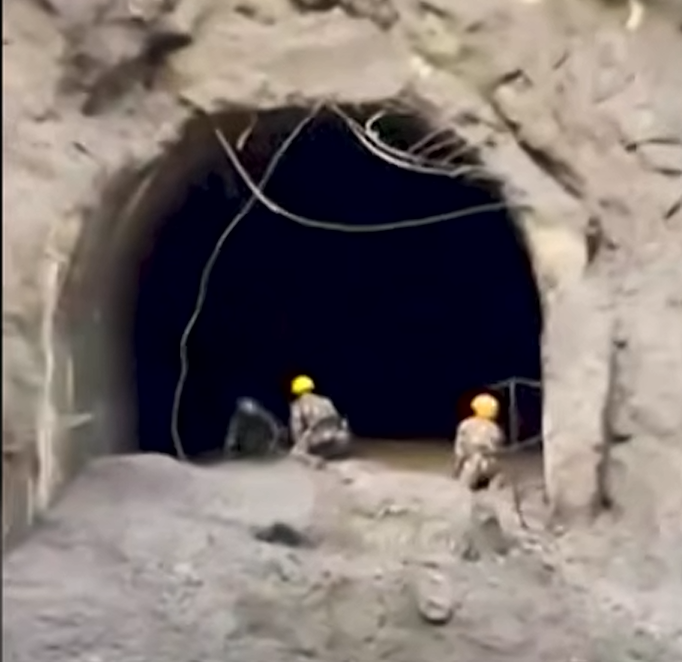
A tunnel project suffered a serious accident on February 22.
Part of the tunnel roof suddenly fell in near the 13.5-kilometre mark.
Wet rock dust and large boulders buried much of the tunnel boring machine.
Eight people died in the accident.
Engineers said water in the rocks above and an unlined gap near the machine helped cause the collapse.
The government is now using small, controlled blasts instead of relying only on the machine.
This lets workers see the rock face as they dig.
They also add bolts and steel supports and allow water to drain away safely.

A February 22 collapse near the SLBC tunnel’s 13.5-kilometre point killed eight people.
The collapse buried much of the tunnel boring machine under wet rock dust and boulders.
Engineers said the unsecured gap ahead of the concrete lining contributed to the accident.
The irrigation department has switched to drill-and-blast tunnelling, allowing workers to inspect the rock face.
Workers are using controlled blasts, rock bolts, steel girders and water drainage to strengthen the tunnel.
- Who
- The state irrigation department, tunnelling workers and expert Col. Parikshit Mehra are involved; eight people died in the accident.
- What
- A tunnel collapse led the government to replace tunnel-boring-machine work with the drill-and-blast method.
- Where
- At the inlet side of the SLBC tunnel near Domalapenta, around the 13.5-kilometre point.
- When
- The accident occurred on February 22; the revised method is now being used.
- Why
- The revised method was chosen to improve control over changing rock conditions, exposed tunnel faces and water pressure.
Tunnel Boring Machine Approach
Drill-and-Blast Approach
Control over underground conditions
Tunnel Boring Machine Approach
The tunnel boring machine could advance through rock while concrete linings were installed, but an unsecured gap remained between the cutter head and the lining; engineers said the collapse occurred in this unlined section.
Drill-and-Blast Approach
The drill-and-blast method allows workers to use small, regulated blasts, inspect the exposed tunnel face and respond to changing rock conditions.
Managing water and rock stability
Tunnel Boring Machine Approach
Engineers had grouted the section ahead of the cutter head and taken other precautions, but accumulated water in the rocks above still contributed to the collapse.
Drill-and-Blast Approach
Workers are strengthening the area with rock bolts and steel girders while allowing flowing water to drain freely so pressure does not build up.
Key facts
- Accident date
- February 22
- Fatalities
- Eight people died
- Tunnel location
- Inlet side of the SLBC tunnel near Domalapenta
- Collapse point
- Approximately 13.5 kilometres into the tunnel
- TBM cutter-head diameter
- 10 metres
- New tunnelling method
- Drill-and-blast
- Support measures
- Rock bolts, steel girders and controlled water drainage
Quotes
Senior engineer at the site
A senior engineer involved with work at the SLBC tunnel site.
“Though they had taken every precaution possible, including grouting the section ahead in which tunnelling was to be done ahead of the cutter head, a portion of the unlined section of the tunnel collapsed.”
 deccanchronicle.com
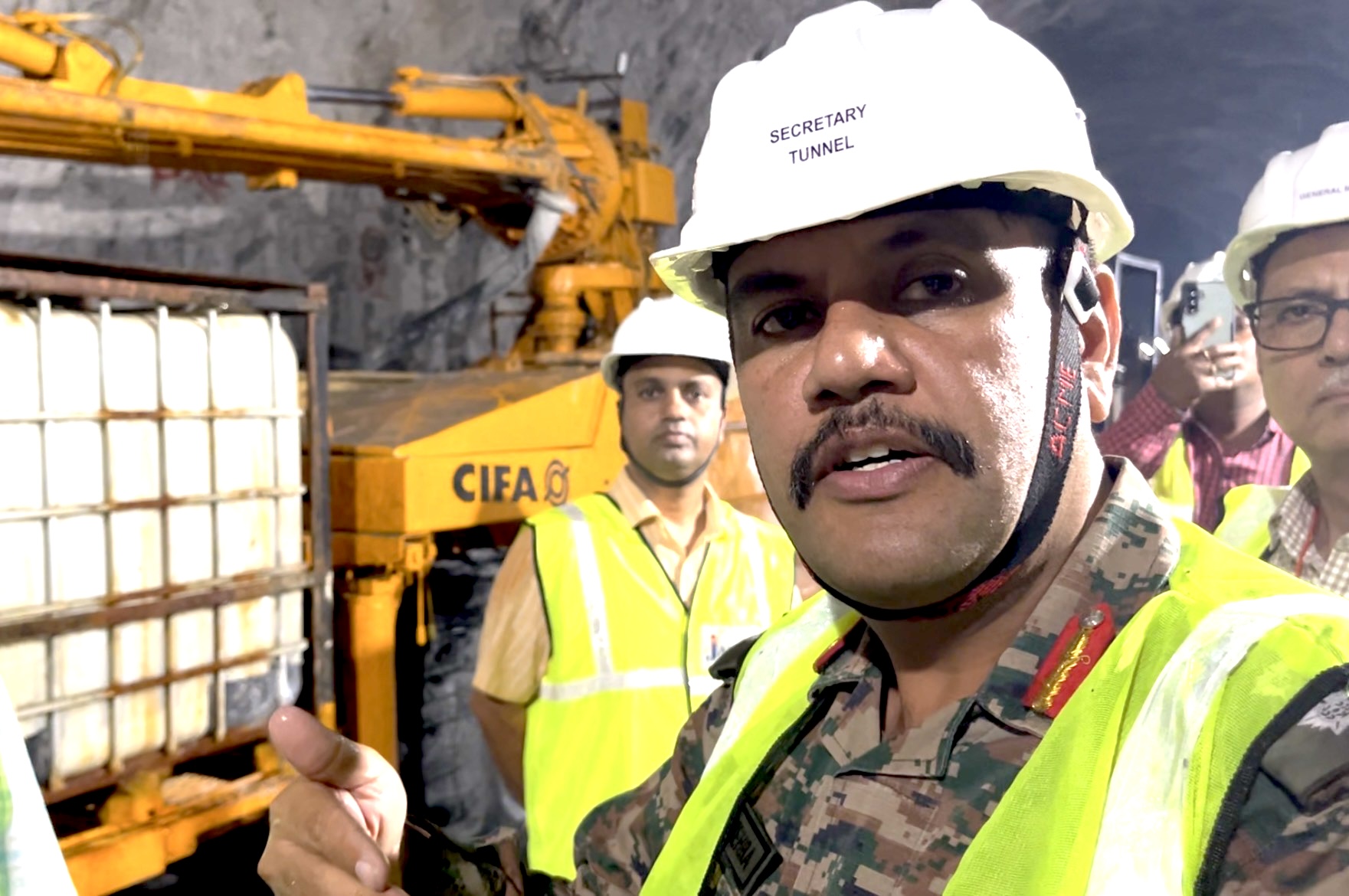
Col. Parikshit Mehra
A tunnelling expert working with the state irrigation department.
“We do not know what is ahead of the cutter head when a TBM is being used. In the method we are following, since we can check how the rock is changing with regulated and controlled blasts, there is greater control on how to move forward.”
deccanchronicle.com
Col. Parikshit Mehra
A tunnelling expert working with the state irrigation department.
“More than anything else, we can actually see the tunnel face that is being dug.”
deccanchronicle.com
Sources
Related news
SLBC Tunnel Clears Shear Zone After Fatal Collapse

SLBC Tunnel Advances Toward May 2028 Completion Deadline
NHPC Knew of Methane Risk Before Deadly Sikkim Tunnel Blast
Uttarakhand Chamoli Tunnel Collapse Death Toll Rises to 9
Mumbai Tunnel TBM Crosses Seven Live Railway Tracks Safely