Archive · 5 Jun 2025
India's Focus on Battery Energy Storage for Energy Transition
India is working to get more energy from clean sources like the sun and wind, but these sources aren't always available.
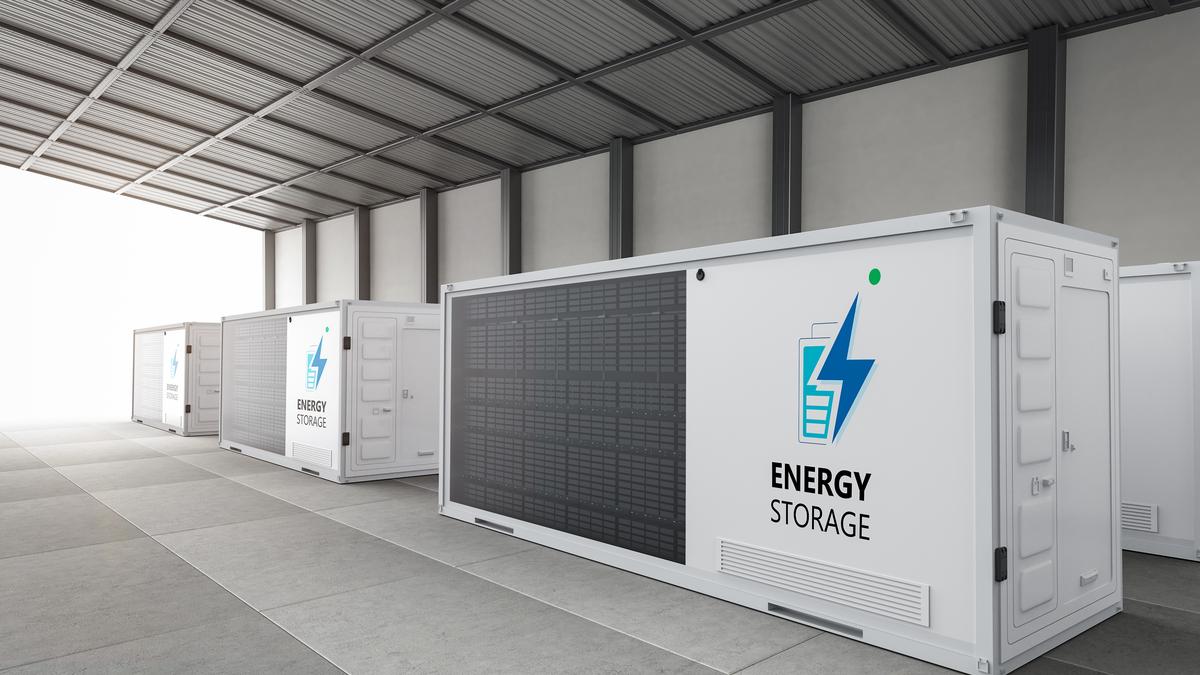
BESS, which is like giant batteries, helps store this energy so it can be used when needed.
The government wants to build a lot of these batteries.
Even though batteries are getting cheaper, there are still some hurdles.
Projects that involve different groups working together are helping to build more BESS.
These batteries help India use more renewable energy and make the energy system more stable and reliable.

BESS is crucial for integrating renewable energy and stabilizing grids.
India aims to install 47 GW of BESS by 2032 to support its renewable energy goals.
BESS costs have significantly decreased, but deployment faces challenges.
Partnerships, like the BRPL project, are vital for scaling up BESS deployment.
India seeks to become a leader in BESS to enhance energy security and grid flexibility.
- Who
- The Indian government, private companies, and international partnerships.
- What
- The role of BESS in India's energy transition and renewable energy integration.
- When
- Ongoing, with targets set for 2030 and 2032.
- Where
- India
- Why
- To enhance energy security, integrate renewables, and stabilize the grid.
- India's BESS Target
- 47 GW by 2032
- Renewable Energy Capacity
- 217.62 GW (as of Jan 2025)
- Battery Cost Decline (past 15 years)
- 90%
- EnerGrid Platform Investment
- $300 million
- BRPL Kilokari BESS Project
- 20 MW/40 MWh