

Archive · 30 May 2025
MS in India: Addressing the Invisible Burden of Multiple Sclerosis
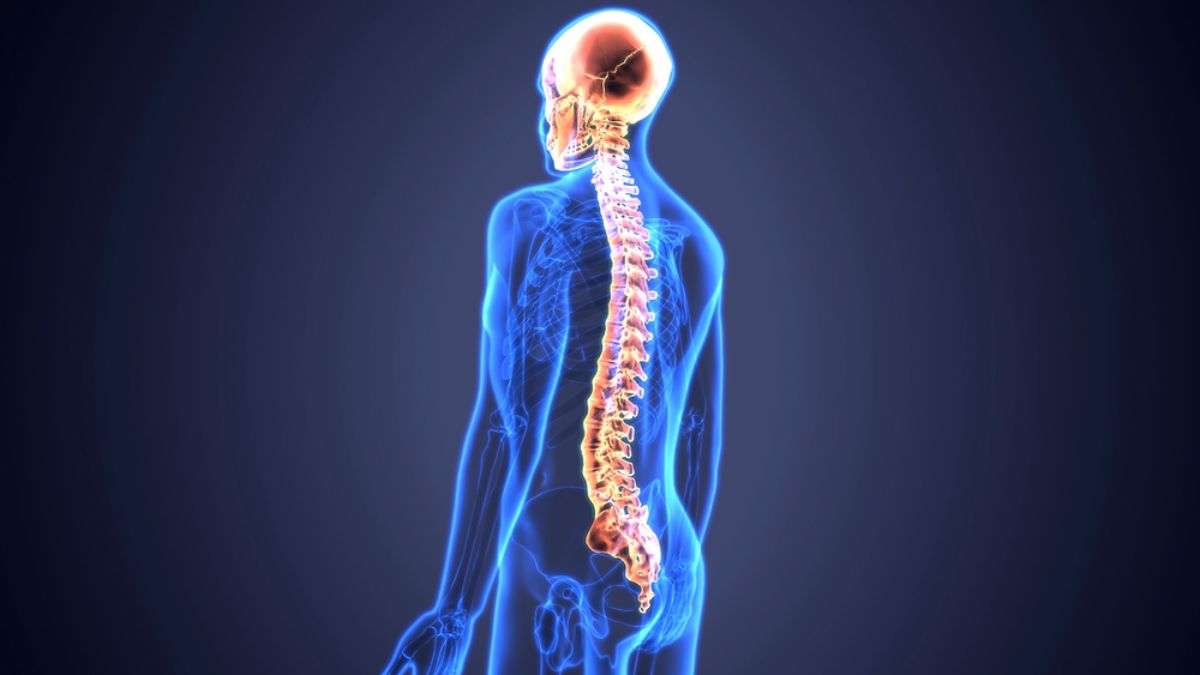
Multiple Sclerosis (MS) is a disease where the body attacks the brain and spinal cord, like a short circuit in the body.
It is widespread in India, yet it is often underdiagnosed because of little awareness.
MS can make it hard to move, think, or see.
While there is no cure, new medicines can help slow the disease.
Getting help early is important.
This means recognizing early signs such as vision problems and numbness and getting the right treatment as soon as possible.

Multiple Sclerosis (MS) is a chronic illness where the immune system attacks the brain and spinal cord.
In India, MS is often underreported and misdiagnosed due to a lack of awareness.
Symptoms vary and can include motor impairment, cognitive decline, and vision problems.
Treatment has advanced, with new therapies to slow disease progression and reduce relapses.
Early diagnosis and intervention are crucial for managing the disease and improving quality of life.
- Who
- Individuals in India, particularly those aged 20-40, and healthcare professionals.
- What
- Multiple Sclerosis (MS), a chronic neurological disorder.
- When
- Ongoing, with awareness emphasized for early detection.
- Where
- India
- Why
- To raise awareness and improve diagnosis and treatment.
- Most Impacted Age Group
- Between 20 and 40 years old
- Estimated Cases in India
- Lakhs of individuals
- Gender Predisposition
- Women are 2-3 times more likely
