

Archive · 28 Oct 2025
Global Economic Overview: Monetary Policy, Sanctions, and Growth
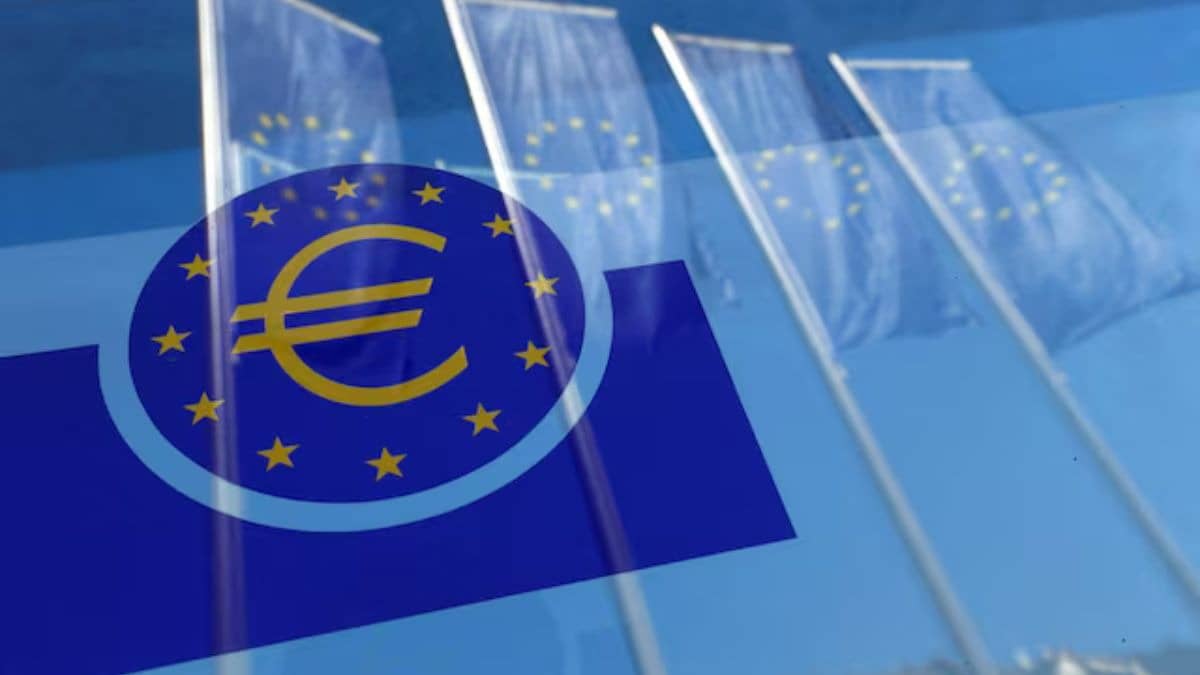
Major economic players are making moves.
The US Federal Reserve might lower interest rates despite high inflation.
The UK and Eurozone might hold steady.
Sanctions are in place against Russia to limit revenue from fossil fuels, however, China and India still buy Russian oil.
China's economic growth slowed, affected by trade issues and the property market.
This matters because it impacts global trade and investment.

The US Federal Reserve may cut rates despite high inflation.
The Bank of England and the European Central Bank may pause rate adjustments.
New sanctions target Russian oil firms, with exports dropping but still significant.
China's GDP growth fell below its target due to trade issues and the property market.
Falling prices in China are a concern for investment and wage growth.
- Who
- US Federal Reserve, Bank of England, European Central Bank, China, Russia
- What
- Monetary policy decisions, further sanctions against Russia, and China's GDP growth slow down.
- When
- Ongoing updates regarding monetary policies and economic performance.
- Where
- Globally, with a focus on the US, UK, Eurozone, China, and Russia.
- Why
- To address inflation, support economic growth, and address the impact of geopolitical events.
Sanctions Effectiveness
Sanctions Impact
Sanctions Evasion
Sanctions Effectiveness
Russia is evading sanctions through various means, undermining their effectiveness.
Sanctions Impact
Sanctions have reduced Russia's revenue streams.
- US Fed Policy
- Expected to cut rates by 25 basis points
- China GDP Growth
- 4.8% in July-September
- China's Growth Target
- 5%
- Russian Fossil Fuel Exports
- €400-500 million since 2023
- European Central Bank (ECB) and Bank of England (BoE) Policy
- Expected to pause and remain data-dependent

