

Archive · 16 Nov 2025
'Golden Blood': Scientists Work to Create Rarest Blood Type in Lab
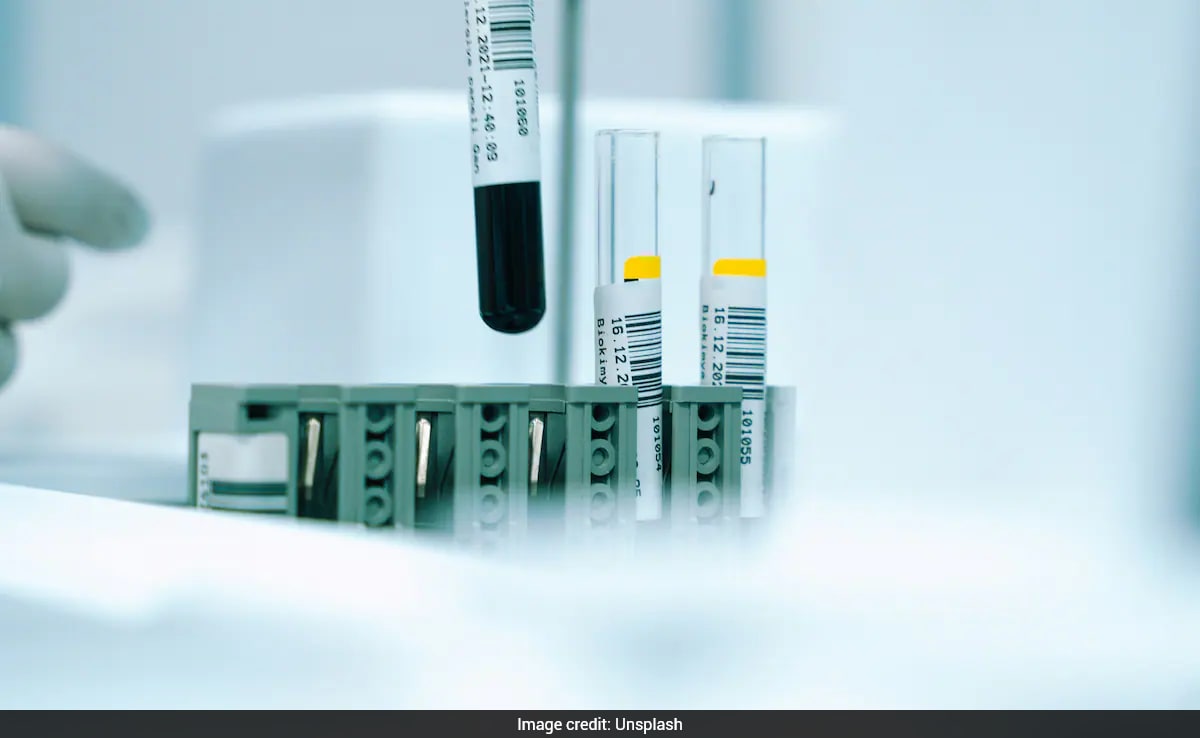
Imagine your body has tiny markers on your red blood cells that tell your body which blood is 'yours.'
Most people have lots of these markers, called Rh antigens.
But some people have a special blood type called Rh-null, or 'Golden Blood,' which doesn't have any of these Rh markers at all.
This blood is super rare, with less than 50 people on Earth having it.
Because it's so rare, if someone with 'Golden Blood' needs a transfusion, it's very hard to find matching blood.
So, scientists are trying to make this 'Golden Blood' in a laboratory.
They are using special cells that can turn into different types of cells, like blood cells, to grow it.
This way, if someone needs this rare blood, doctors might be able to make it instead of relying on very few donors.
It could help save lives and teach us more about blood.

Rh-null, known as 'Golden Blood', is the rarest blood type, found in fewer than 50 people worldwide.
This blood type is characterized by the complete absence of Rh antigens on red blood cells due to a rare genetic mutation.
Individuals with Rh-null blood are universal donors but can only receive transfusions from others with the same rare blood type.
Scientists are working to create Rh-null blood in the lab by reprogramming stem cells and exploring gene editing techniques.
The development of lab-grown 'Golden Blood' aims to address shortages and provide critical transfusions for rare blood type patients.
- Who
- Scientists and individuals with the rare Rh-null blood type
- What
- Scientists are attempting to create the rare 'Golden Blood' (Rh-null) type in a lab using stem cells and gene editing, aiming to provide transfusions for those with this blood type and for medical research.
- When
- Ongoing, with specific research and trials mentioned as current activities.
- Where
- Globally, with research efforts highlighted by BBC and potentially involving institutions like the University of Bristol.
- Why
- To provide a reliable source of transfusions for the extremely small number of people with Rh-null blood, who have limited options for receiving blood, and to advance understanding of blood group genetics and develop new treatments.
Current Practice
Future Possibility
Blood Transfusion Source
Current Practice
Currently, taking blood from donors is more efficient and cost-effective. Blood donors will be needed for the foreseeable future.
Future Possibility
Lab-grown red blood cells, particularly for people with rare blood types like Rh-null, could provide a reliable source for emergency transfusions and alleviate blood shortages.
- Blood Type Name
- Rh-null (colloquially 'Golden Blood')
- Global Prevalence
- Less than 50 people worldwide
- Key Characteristic
- Absence of Rh antigens on red blood cells
- Cause
- Extremely rare genetic mutation
- Donor Status
- Universal donor (can be transfused to anyone)
- Recipient Limitation
- Can only receive transfusions from donors with the same Rh-null type