

Archive · 23 Sep 2026
Rajbhar's Push Reignites Debate Over Four Uttar Pradesh States
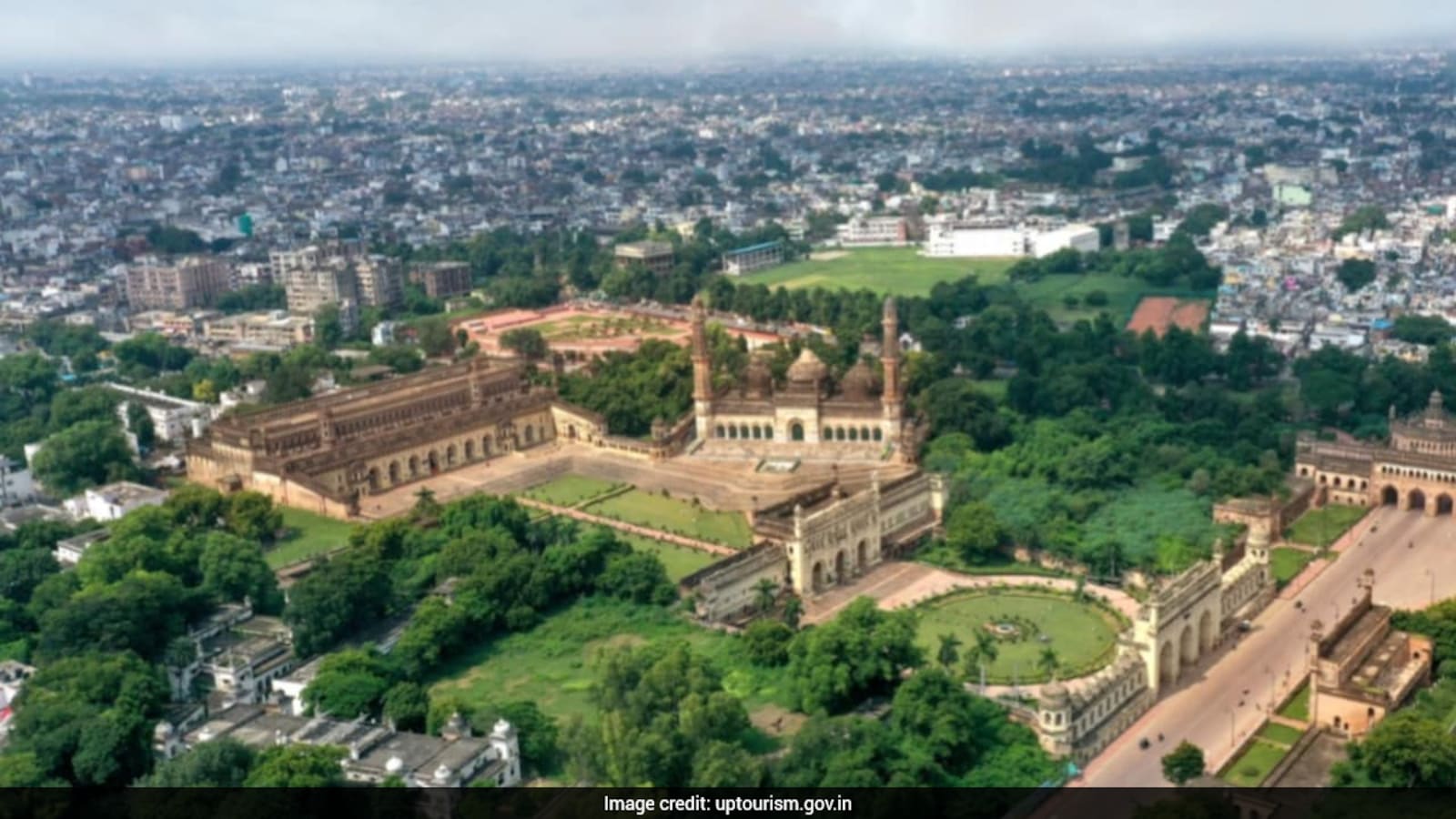
Some politicians want Uttar Pradesh to be split into four smaller states.
The suggested regions are Purvanchal, Awadh Pradesh, Bundelkhand and Paschim Pradesh.
Om Prakash Rajbhar says this division will eventually happen.
He also wants a Rajbhar community leader to become Chief Minister of Purvanchal.
Rajbhar said Prime Minister Narendra Modi linked the possibility to a caste census.
Another ally, Sanjay Nishad, disagrees and says Uttar Pradesh should not be divided.
BJP leader Sanjeev Balyan supports the idea.
Mayawati’s government formally proposed the division in 2011, but it did not move forward after 2012.
Supporters say smaller states could be easier to govern, while opponents say creating them could be costly and would not solve every development problem.

Uttar Pradesh Minister Om Prakash Rajbhar said the state’s division into four parts is inevitable and proposed Purvanchal, Awadh Pradesh, Bundelkhand and Paschim Pradesh or Harit Pradesh.
Rajbhar said Prime Minister Narendra Modi assured him that the division could follow a caste census, and demanded a Rajbhar Chief Minister for any future Purvanchal state.
BJP ally Sanjay Nishad called the claim misleading and opposed dividing Uttar Pradesh, while BJP leader Sanjeev Balyan backed the proposal.
Mayawati’s government passed a 2011 Assembly resolution seeking the four-state division, but the proposal was not pursued after the Samajwadi Party came to power in 2012.
Supporters cite easier administration and regional development, while opponents warn that statehood could create financial and institutional complications and would not automatically end disparities.
- Who
- Uttar Pradesh Minister and Suheldev Bharatiya Samaj Party chief Om Prakash Rajbhar revived the proposal; Sanjay Nishad opposed it, Sanjeev Balyan supported it, and Samajwadi Party leaders Akhilesh Yadav and Shivpal Yadav rejected it.
- What
- The proposal is to reorganize Uttar Pradesh into Purvanchal, Awadh Pradesh, Bundelkhand and Paschim Pradesh, also called Harit Pradesh.
- When
- Rajbhar raised the issue ahead of the 2027 Uttar Pradesh Assembly elections; the earlier formal resolution was passed in 2011.
- Where
- The proposal concerns Uttar Pradesh. The proposed Bundelkhand would also extend into neighbouring Madhya Pradesh.
- Why
- Supporters say Uttar Pradesh’s size and regional differences make administration difficult, while opponents cite financial, institutional and development concerns.
Supporters of Division
Opponents of Division
Administration and development
Supporters of Division
Smaller states would be easier to administer and could better address Uttar Pradesh’s differing economic, geographic, agricultural and migration patterns.
Opponents of Division
Statehood alone would not resolve development disparities and could create financial and institutional complications.
Political feasibility
Supporters of Division
Rajbhar says division is inevitable and links the proposal to a caste census; Sanjeev Balyan says separate states could improve access to justice, healthcare and development.
Opponents of Division
Sanjay Nishad called Rajbhar’s claim misleading and said Uttar Pradesh is progressing with special development funds for regions such as Bundelkhand and Purvanchal.
Purvanchal leadership
Supporters of Division
Rajbhar argues that the Rajbhar community’s strength and vote share in eastern Uttar Pradesh justify requiring a Rajbhar Chief Minister for a future Purvanchal state.
Opponents of Division
Akhilesh Yadav and Shivpal Yadav oppose dividing the state, although the articles do not identify a specific response from them to Rajbhar’s leadership condition.
- Proposed states
- Purvanchal, Awadh Pradesh, Bundelkhand and Paschim Pradesh or Harit Pradesh.
- Latest advocate
- Om Prakash Rajbhar, Uttar Pradesh Cabinet Minister and Suheldev Bharatiya Samaj Party chief.
- Rajbhar’s condition
- He said any future alliance must accept a Rajbhar community leader as Chief Minister of Purvanchal.
- Caste census claim
- Rajbhar said Narendra Modi told him that division could proceed after castes were counted.
- Earlier formal move
- Mayawati’s government passed a Uttar Pradesh Assembly resolution proposing four states in 2011.
- Current Assembly size
- Uttar Pradesh has 403 Assembly seats, the highest among Indian states.
- Constitutional process
- Under Article 3, Parliament can create or alter states after the President refers the proposal to the affected state legislature for its views; consent is not required.
