

Archive · 21 Jul 2026
The Forbidden City: China's Imperial Palace
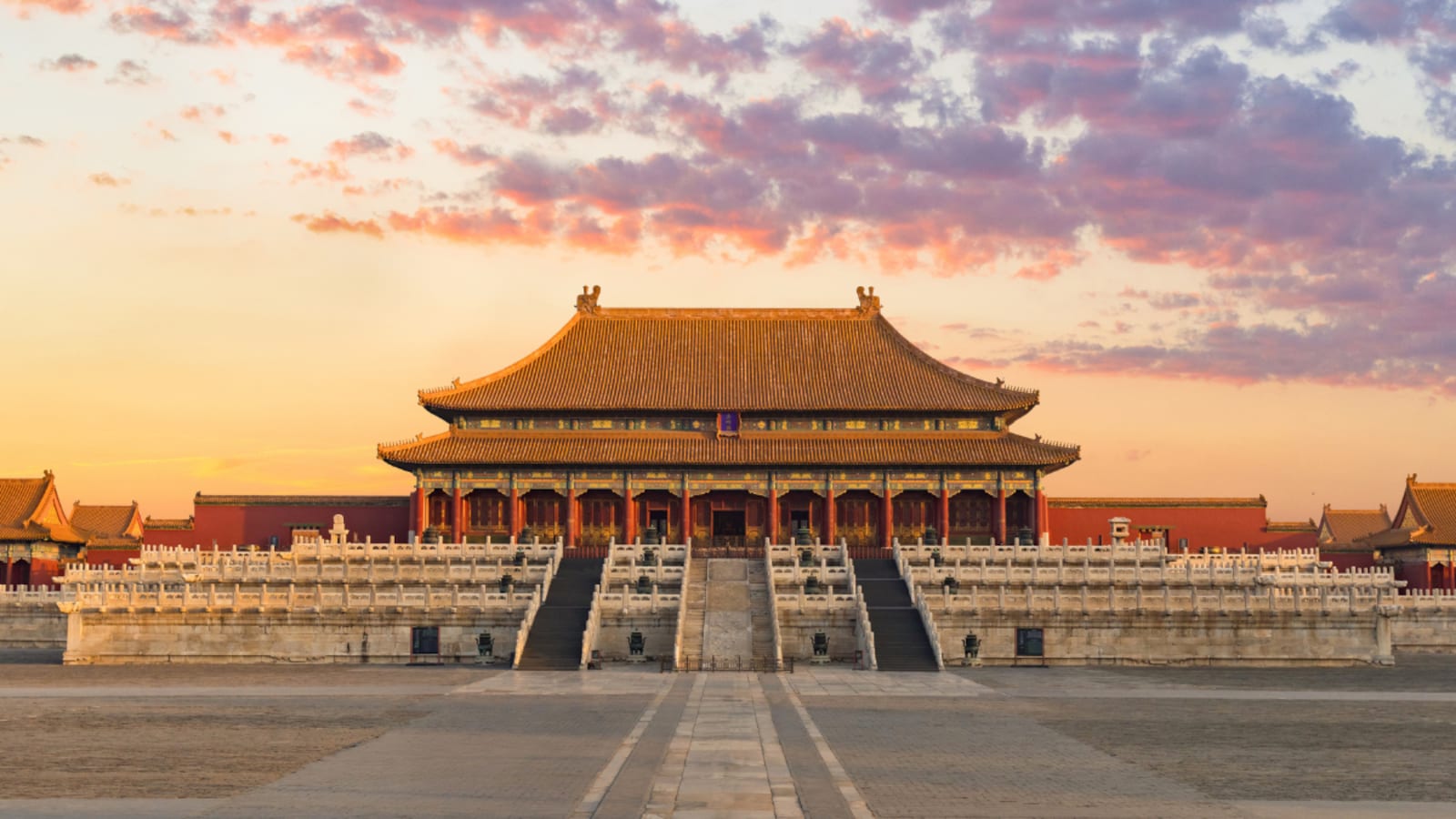
The Forbidden City in Beijing, China, is a huge palace with nearly 9,000 rooms.
It was home to Chinese emperors for almost 500 years and was off-limits to regular people.
Only the emperor, his family, and trusted officials could enter.
Today, it's a famous tourist spot called the Palace Museum, where people can see beautiful buildings and treasures from the past.
The palace is very big, with 980 buildings and lots of rooms.
It has two main parts: the Outer Court for public events and the Inner Court for the emperor's private life.
The Forbidden City is special because it has many old treasures and is the largest collection of ancient wooden buildings in the world.

The Forbidden City is a massive palace complex in Beijing, China, with nearly 9,000 rooms.
It was the imperial palace for 24 emperors from the Ming and Qing dynasties.
The palace was off-limits to ordinary people for centuries, with severe punishments for unauthorized entry.
Today, it is a major tourist attraction known as the Palace Museum, welcoming millions of visitors annually.
The Forbidden City is a UNESCO World Heritage Site and houses priceless treasures and ancient wooden buildings.
- Who
- Emperors of the Ming and Qing dynasties, including Puyi, the last emperor.
- What
- The Forbidden City is a massive palace complex and former imperial palace.
- When
- Constructed between 1406 and 1420, served as the imperial palace until 1924.
- Where
- Located in Beijing, China.
- Why
- Built as the political and ceremonial center of imperial China, now a major tourist attraction and UNESCO World Heritage Site.
Historical Significance
Modern Tourism
Accessibility
Historical Significance
The Forbidden City was strictly off-limits to ordinary people for centuries, with severe punishments for unauthorized entry.
Modern Tourism
Today, the Forbidden City is a major tourist attraction, welcoming millions of visitors annually as the Palace Museum.
- Location
- Beijing, China
- Construction Period
- 1406-1420
- Number of Rooms
- 8,886
- Area
- 72 hectares
- UNESCO Status
- World Heritage Site
- Emperors Resided
- 24 (Ming and Qing Dynasties)
- Last Emperor
- Puyi (1912-1924)