Archive · 21 Sep 2026
Rishi Sunak Warns Against Skin Colour Tests for British Identity
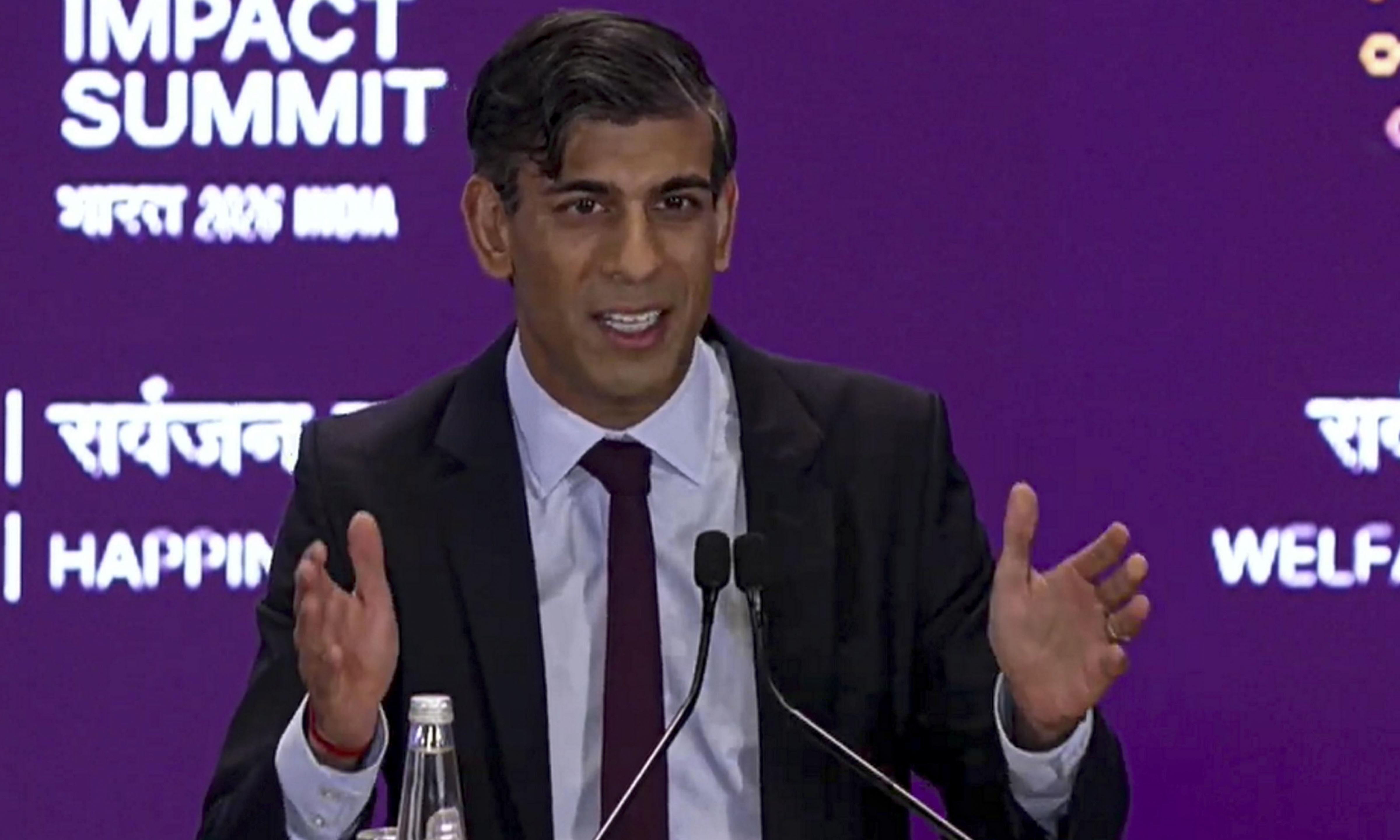
Rishi Sunak said skin colour should not decide whether someone is British or English.
He described himself as both English and Hindu.
He said people who live in Britain, respect its values, and help society should be accepted as British.
Sunak discussed an older idea called the Tebbit Test, which linked supporting England’s cricket team with fitting into British society.
He said that test could theoretically be passed by people of any skin colour.
However, he warned that some non-white people now face an impossible test because others may never see them as English.
Sunak said this could divide people and harm democracy.
He also said cricket and other sports can help different communities mix.
His comments came during arguments about immigration, Islamism, and strong anti-immigration language.

Rishi Sunak warned against equating skin colour with British nationality or English identity.
He described himself as both English and Hindu and recalled questions about whether he could be English as a “brown Hindu.”
Sunak contrasted the older Tebbit Test with a “reverse Tebbit test” that he said non-white people can never pass.
He argued that cricket and other sports can encourage integration among Britain’s ethnic and religious communities.
His comments came amid concerns about immigration, Islamism, and anti-immigration rhetoric from Reform UK leader Nigel Farage.
- Who
- Former British Prime Minister Rishi Sunak, Reform UK leader Nigel Farage, and people involved in Britain’s debate over race, identity, and immigration.
- What
- Sunak warned against using skin colour as a test of British nationality and argued for a more inclusive understanding of British identity.
- When
- Sunak wrote the comments in a Sunday Times column after delivering the Marylebone Cricket Club’s Cowdrey Lecture the previous week.
- Where
- The comments concerned Britain; Sunak delivered the lecture at Lord’s Cricket Ground and referred to his experiences at Downing Street.
- Why
- He said British democracy was under strain from immigration failures, challenges posed by Islamism, and rhetoric that could divide Britons by race or migration history.
Inclusive British Identity
Assimilation and Immigration Concerns
Meaning of Britishness
Inclusive British Identity
Sunak argues that people who live in Britain, embrace its culture and values, and contribute to society should be accepted as British regardless of skin colour or how recently their families arrived.
Assimilation and Immigration Concerns
The Tebbit Test emphasized support for England as evidence that migrants had adopted Britain as their home, while immigration-focused arguments stress integration and the need for stronger immigration controls.
Race and politics
Inclusive British Identity
Sunak warns that treating non-white people as permanently unable to be English creates different classes of Briton and risks setting Britons against one another.
Assimilation and Immigration Concerns
Farage and Reform UK are presented in the articles as using strong anti-immigration rhetoric, including describing illegal migration as an “invasion.”
Role of cricket
Inclusive British Identity
Sunak sees cricket and sport as activities that can bring Britain’s ethnic and religious communities together.
Assimilation and Immigration Concerns
The Tebbit Test used cricket more narrowly as a measure of assimilation, linking loyalty to the England team with integration.
- Speaker
- Rishi Sunak, former British prime minister and Conservative MP for Richmond
- Central warning
- Sunak cautioned against equating skin colour with nationality.
- Personal identity
- Sunak described himself as both English and Hindu.
- Tebbit Test
- A concept associated with Conservative MP Norman Tebbit that linked supporting England’s cricket team with migrant integration.
- Reverse Tebbit test
- Sunak’s term for what he described as an impossible test in which non-white people can never be accepted as English.
- Sports and integration
- Sunak said cricket is played by nearly every major ethnic group in Britain and can encourage integration.
- Political context
- His intervention came amid immigration concerns and Reform UK leader Nigel Farage’s description of illegal migration as an “invasion.”