1 year ago
Top Vegetarian Protein Sources: A Dietary Guide

If you're a vegetarian, you can still get all the protein you need!
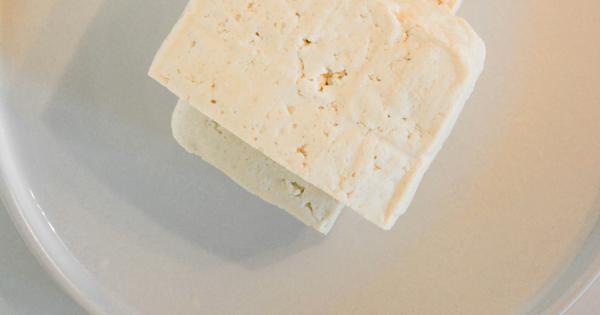
There are lots of plant-based foods that have protein, like lentils, chickpeas, tofu, and nuts.
These foods also have other good things like fiber and vitamins.
Eating a mix of these foods helps you build and repair your body, just like meat does.
Make sure to eat a variety so you get all the parts of protein you need!

Vegetarian diets can effectively meet protein needs through various sources.
Legumes, soy products, seeds, nuts, and whole grains are rich in protein, fiber, minerals, and antioxidants.
Lentils provide about 9 grams of protein per half-cup and are high in fiber, iron, and folate.
Tofu and tempeh, made from soybeans, are complete protein sources with 10-18 grams of protein per half-cup.
Vegetarians should include diverse protein sources to ensure a complete amino acid profile.
- Who
- Vegetarians looking to incorporate protein-rich foods into their diets.
- What
- Protein-rich foods suitable for vegetarians.
- Where
- Not explicitly mentioned in the article.
- When
- Not explicitly mentioned in the article.
- Why
- To maintain muscle health, energy levels, immunity, and overall well-being on a vegetarian diet.
Key facts
- Protein Sources
- Lentils, chickpeas, tofu, tempeh, quinoa, Greek yogurt, cottage cheese, soybeans, edamame, nuts, chia seeds, and flaxseeds
- Lentils Protein
- 9 grams per cooked half-cup
- Tofu Protein
- About 10 grams per half-cup
- Tempeh Protein
- Up to 15-18 grams per half-cup
- Quinoa Protein
- About 8 grams per cup
- Greek Yogurt Protein
- Up to 10 grams per 100 grams
- Paneer Protein
- Around 14 grams per 100 grams
- Nuts and seeds
- 4-8 grams per 2 tablespoons