Archive · 24 May 2025
Anime Villains: Exploring Their Psychology and Popularity

Anime villains are super popular because they have complex stories.
Instead of being just plain bad, they often have sad pasts or big ambitions, making them feel human.
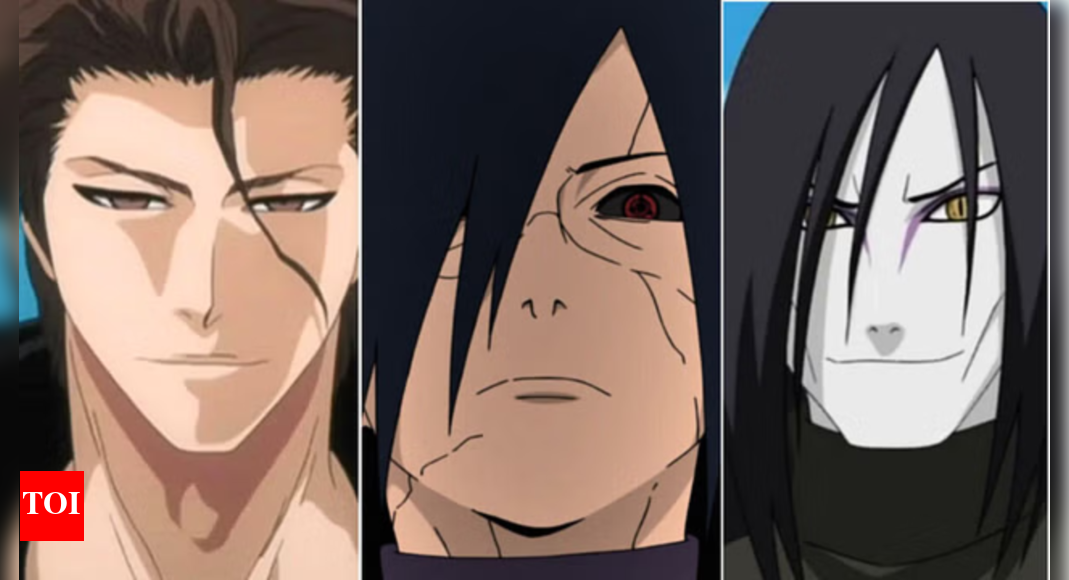
Villains like Pain from Naruto, Aizen from Bleach, and Sukuna from Jujutsu Kaisen are good examples.
We learn why they do what they do, even if we don't agree with them.
Sometimes, their backstories make us feel sorry for them, and their actions make us think about what's right and wrong.

Anime villains often have complex backstories, which makes them more relatable to viewers.
Villains with tragic pasts or understandable motives can evoke empathy from the audience.
Popular antagonists often blur moral lines, challenging viewers' understanding of justice.
Charisma, relatability, and the exploration of profound themes contribute to villains' popularity.
Many anime villains, like Meruem from Hunter x Hunter, undergo redemption arcs, showing that even the darkest characters can change.
- Who
- Pain, Aizen, Sukuna, and other anime villains, as well as the audiences who watch them.
- What
- An analysis of the psychology behind popular anime villains and why they are so well-liked.
- When
- Not specified
- Where
- Not specified
- Why
- Complex backstories, relatability, and moral ambiguity make anime villains popular.
- Key Villains Mentioned
- Pain (Naruto), Aizen (Bleach), Sukuna (Jujutsu Kaisen), Doflamingo (One Piece), Meruem (Hunter x Hunter)
- Common Themes
- Trauma, ambition, power, moral ambiguity, redemption
- Factors in Popularity
- Charisma, relatability, deep exploration of philosophical questions
- Impact
- Sparks discussions, inspires fan art, and creates a cultural impact.