Archive · 18 Sep 2026
US Allows Iranian Leaders at UNGA, Denies Abbas Visa
The United States will let some Iranian leaders travel to New York for a major United Nations meeting.
Iran’s president and foreign minister are expected to be part of the group.
The group will be smaller than in previous years and will have limits on where it can travel and what it can buy.
The United States says it is doing this because it is the host country for the United Nations.
The United States and Iran are still involved in a conflict, although they have also held talks.
At the same time, the United States refused visas to Palestinian President Mahmoud Abbas and other Palestinian officials.
The United States said it had concerns about their policies and actions involving Israel and the peace process.
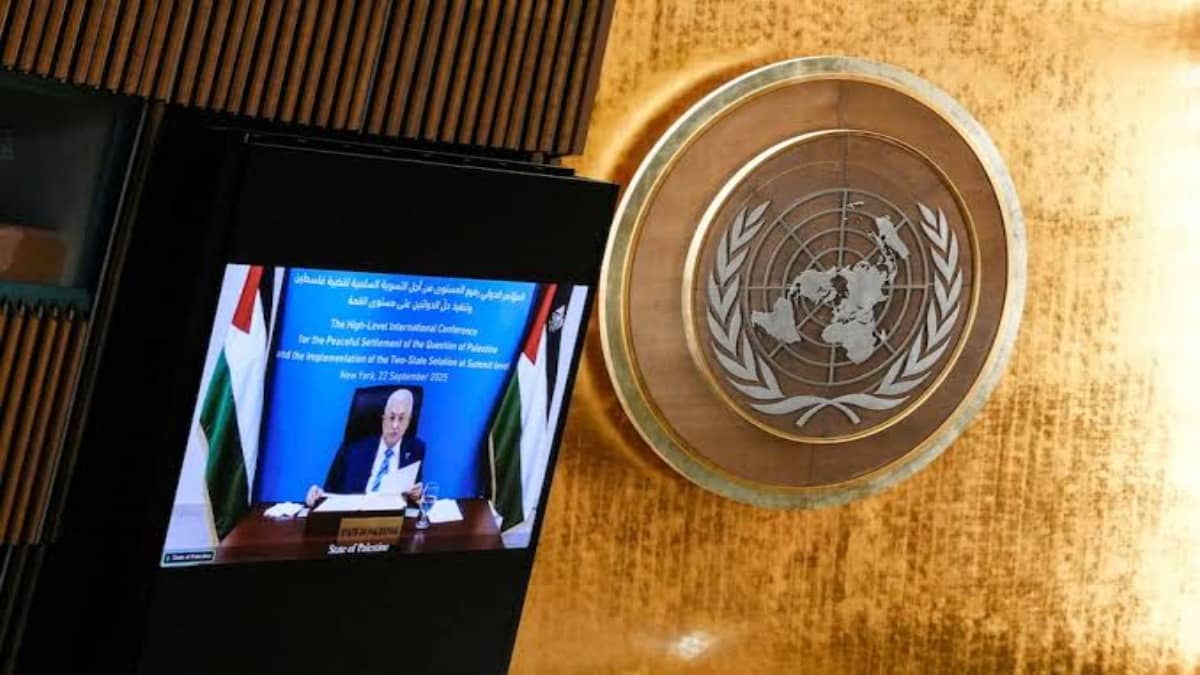
The United Nations voted to let Abbas speak by video instead.
The vote was 152 in favor, three against, and four abstentions.

The United States will grant visas to a smaller core Iranian delegation, including President Masoud Pezeshkian and Foreign Minister Abbas Araqchi, for the UN General Assembly.
Washington cited its obligations as the United Nations’ host country under the 1947 headquarters agreement.
Iranian officials will face movement restrictions and bans on purchasing luxury and other goods.
The United States again denied visas to Palestinian President Mahmoud Abbas and other Palestinian Authority and Palestine Liberation Organization officials.
The General Assembly voted 152-3, with four abstentions, to let Abbas address the meeting by video and participate remotely in certain UN activities.
- Who
- The United States administration; Iranian President Masoud Pezeshkian; Foreign Minister Abbas Araqchi; Palestinian President Mahmoud Abbas; and Palestinian and Iranian officials.
- What
- The United States will admit a core Iranian delegation to the UN General Assembly but deny in-person entry to Abbas and other Palestinian officials.
- When
- The decisions were reported on September 17, ahead of the 81st UN General Assembly high-level week scheduled for the following week.
- Where
- The meeting is scheduled at United Nations headquarters in New York City.
- Why
- The United States cited its host-country obligations for allowing Iranian diplomats, while citing security, terrorism, foreign-policy, governance and policy concerns for denying Palestinian officials’ visas.
US Position
Iranian and Palestinian Objections
Iranian attendance
US Position
The United States says allowing a core Iranian delegation fulfills its obligations as the United Nations’ host country, while maintaining restrictions for security and policy reasons.
Iranian and Palestinian Objections
Iranian officials are being allowed to attend despite the ongoing conflict, but their smaller delegation and movement and purchasing restrictions limit their participation.
Palestinian visa restrictions
US Position
The United States says Palestinian Authority and Palestine Liberation Organization officials have failed to reform and have taken actions that undermine peace, including efforts to internationalize the Israeli-Palestinian conflict.
Iranian and Palestinian Objections
Palestinian officials rejected the decision; Palestinian UN envoy Riyad Mansour condemned the restrictions, while the General Assembly approved Abbas’s remote participation.
- Iranian delegation
- The delegation is expected to include Masoud Pezeshkian, Abbas Araqchi and essential staff, but will be smaller than last year.
- Iranian restrictions
- Members will face travel limits and prohibitions on purchasing luxury and other goods.
- Legal basis
- The United States cited the 1947 United Nations headquarters agreement and its obligations as host country.
- Palestinian visa decision
- The United States denied visas to Mahmoud Abbas and other Palestinian Authority and Palestine Liberation Organization officials for the second consecutive year.
- Remote participation
- The General Assembly voted 152-3, with four abstentions, to allow Abbas to address the gathering by video.
- Conflict and talks
- The United States and Iran remain involved in an ongoing conflict while holding intermittent talks aimed at ending it.
- UN session
- The upcoming gathering is the 81st session of the United Nations General Assembly.