

Archive · 17 Jan 2026
Wearables Track Mood and Emotional Stress
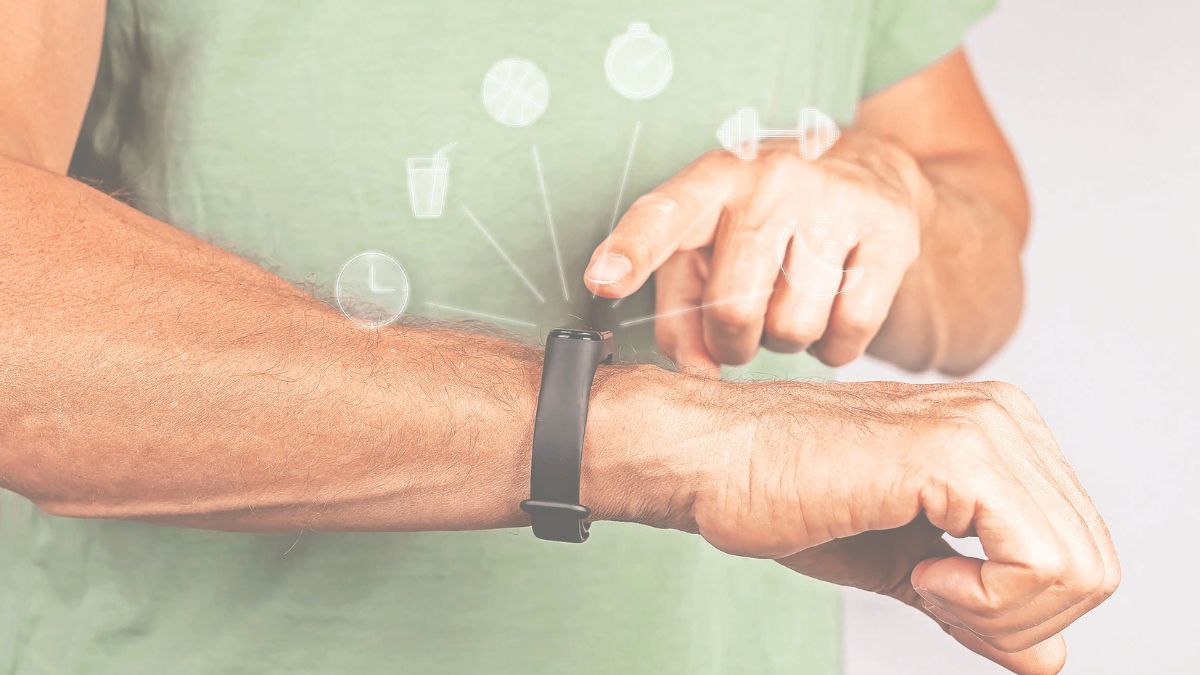
Wearable devices are now trying to track your mood and emotional stress, not just your steps or heart rate.
They do this by looking at things like your heart rate, skin temperature, and how you sleep.
For example, the Fitbit Sense 2 can tell when you're stressed and suggest breathing exercises.
The Apple Watch also helps by showing when you might be under strain.
Other devices, like the Oura Ring, give a 'readiness' score based on sleep and heart rate.
Some even use special headsets to monitor brain activity.
However, these devices can't directly measure things like stress hormones, and they might not always be accurate because emotions are complex.
Companies are working to improve these technologies, but for now, they're more about awareness than medical diagnosis.

Wearable technology companies are expanding into tracking mood and emotional stress beyond physical metrics like steps and heart rate.
Devices analyze physiological signals such as heart-rate variability, skin temperature, and sleep patterns to infer emotional states.
Examples include the Fitbit Sense 2, which provides stress management scores, and the Apple Watch, which offers mindfulness prompts.
Some wearables, like the Oura Ring and Garmin watches, provide 'readiness' and 'body battery' scores to indicate emotional and physical resilience.
Challenges include accuracy, context, and the complexity of emotions, with companies working to improve sensors and personalize algorithms.
- Who
- Wearable technology companies and consumers
- What
- Tracking mood and emotional stress through wearable devices
- When
- Ongoing as demand for mental health support grows
- Where
- Global market, with examples from various companies
- Why
- To provide mental health support and awareness, not medical diagnosis
- Devices
- Fitbit Sense 2, Apple Watch, Oura Ring, Garmin watches, EPOC X EEG, Feel wristband
- Metrics
- Heart-rate variability, skin temperature, breathing patterns, sleep disruption, sweat production, brainwave activity, body temperature, glucose levels
- Approach
- Analyze physiological signals for indirect mood and stress tracking
- Challenges
- Accuracy, context, culture, personal experience, standardisation
- Future
- Improving sensors, personalised algorithms, growing mental health awareness