3 weeks ago
Karnataka CM vows to protect farmers, abide by Cauvery verdicts

There is a big river in southern India called the Cauvery.
Two states, Karnataka and Tamil Nadu, share its water.
A special committee told Karnataka to send water to Tamil Nadu.
It asked Karnataka to release 12,000 cusecs of water every day for 15 days, starting August 12.
Karnataka's leader, Mr. Shivakumar, said he wants to protect the farmers in his state.
He also said he must follow the rules and orders from the courts.
He will talk to the irrigation minister and other officials about what to do.
Earlier, the committee had asked for less water, and Karnataka said it did not have enough.
But after lots of rain, Karnataka started sending water.
Mr. Shivakumar asked everyone to be patient while the government decides.

The Cauvery Water Regulation Committee (CWRC) directed Karnataka to release 12,000 cusecs of Cauvery water to Tamil Nadu from August 12 for the next 15 days.
Chief Minister D K Shivakumar said Karnataka has a duty to protect its farmers while also abiding by court orders, and the government will decide after assessing the situation.
Shivakumar will discuss the matter with Irrigation Minister Ramalinga Reddy and officials, and urged farmers and the public to have 'patience.'
On July 28, the CWRC had ordered Karnataka to release 3,500 cusecs of Cauvery water for 15 days, an order subsequently upheld by the Cauvery Water Management Authority (CWMA).
Karnataka initially cited poor reservoir storage and its inability to release water, but began releasing water following heavy rainfall in its catchment regions.
- Who
- Karnataka Chief Minister D K Shivakumar, Irrigation Minister Ramalinga Reddy, and the Cauvery Water Regulation Committee (CWRC)
- What
- The CWRC directed Karnataka to release 12,000 cusecs of Cauvery water to Tamil Nadu from August 12 for 15 days, and the Chief Minister responded that the government will protect farmers while abiding by court orders.
- Where
- New Delhi, where the CWRC met; the water release concerns Karnataka and Tamil Nadu.
- When
- The CWRC met on Tuesday and issued the direction; the release is to begin from August 12 for 15 days.
- Why
- To comply with the CWRC's water-sharing directive to Tamil Nadu while Karnataka weighs protecting its farmers and crops.
Karnataka's Position
CWRC Directive
Water release obligation
Karnataka's Position
Karnataka says it must assess its own situation, protect its farmers and crops, and decide on releasing water after local meetings with farmers and stakeholders, having initially cited poor reservoir storage.
CWRC Directive
The CWRC directed Karnataka to release 12,000 cusecs of Cauvery water to Tamil Nadu from August 12 for 15 days, following an earlier order of 3,500 cusecs made on July 28.
Handling of farmer response
Karnataka's Position
Potential farmer protests and law-and-order concerns followed the water release order, with questions raised about how the state would respond.
CWRC Directive
The Chief Minister urged patience, said the government protects the state's interest, and cautioned against conducting such activities 'for politics or publicity,' while asserting that no one can keep the water.
Key facts
- Ordering body
- Cauvery Water Regulation Committee (CWRC)
- Water release directed
- 12,000 cusecs (cubic feet per second)
- Duration and start
- 15 days from August 12
- Recipient state
- Tamil Nadu
- Previous order
- 3,500 cusecs for 15 days on July 28, upheld by CWMA
- CWRC meeting location
- New Delhi
- Karnataka's initial stance
- Inability to release water due to poor reservoir storage
- CM's stated priorities
- Protect farmers and abide by court orders
Quotes
Chief Minister D. K. Shivakumar
Chief Minister of Karnataka, India
“"I'm very transparent. No one should engage in such activities for politics or publicity. No one can keep the water. Keep patience; we are here for you. People have given us the power to protect farmers. We don't want to cause problems for farmers for any reason. Have patience. All issues will be resolved cordially; nature will save us."”
 telegraphindia.com
“"Crops should also be protected. Whether it is Cauvery or Tungabhadra, I have asked authorities to decide on releasing water to crops after holding local meetings with farmers and other stakeholders and considering the water situation at dams."”
telegraphindia.com
Sources
Related news

Karnataka Plans Supreme Court Challenge Over Cauvery Water Sharing Order

Karnataka to protect farmers, abide by law on Cauvery water

Cauvery Protests Intensify Over KRS Water Release to Tamil Nadu
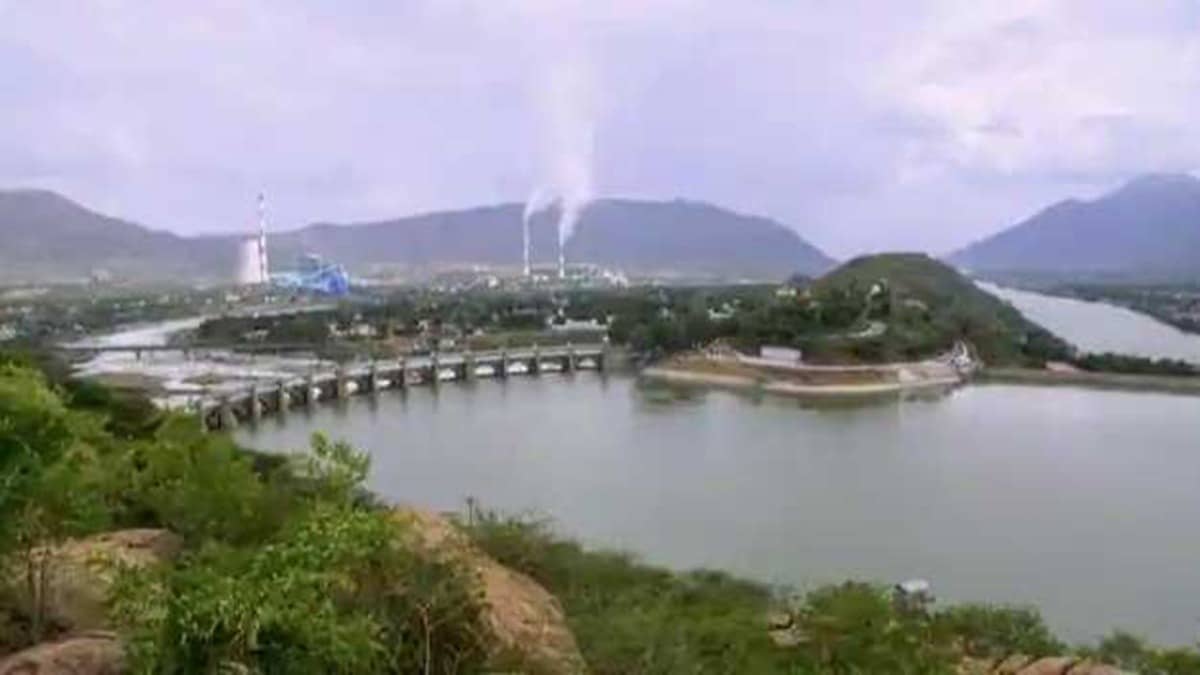
CWMA Orders Karnataka To Release 12,000 Cusecs Daily To Tamil Nadu
Supreme Court to Hear Tamil Nadu Cauvery Water Plea Monday

Karnataka to Launch Praja Seva Campaign in Kudligi September 5
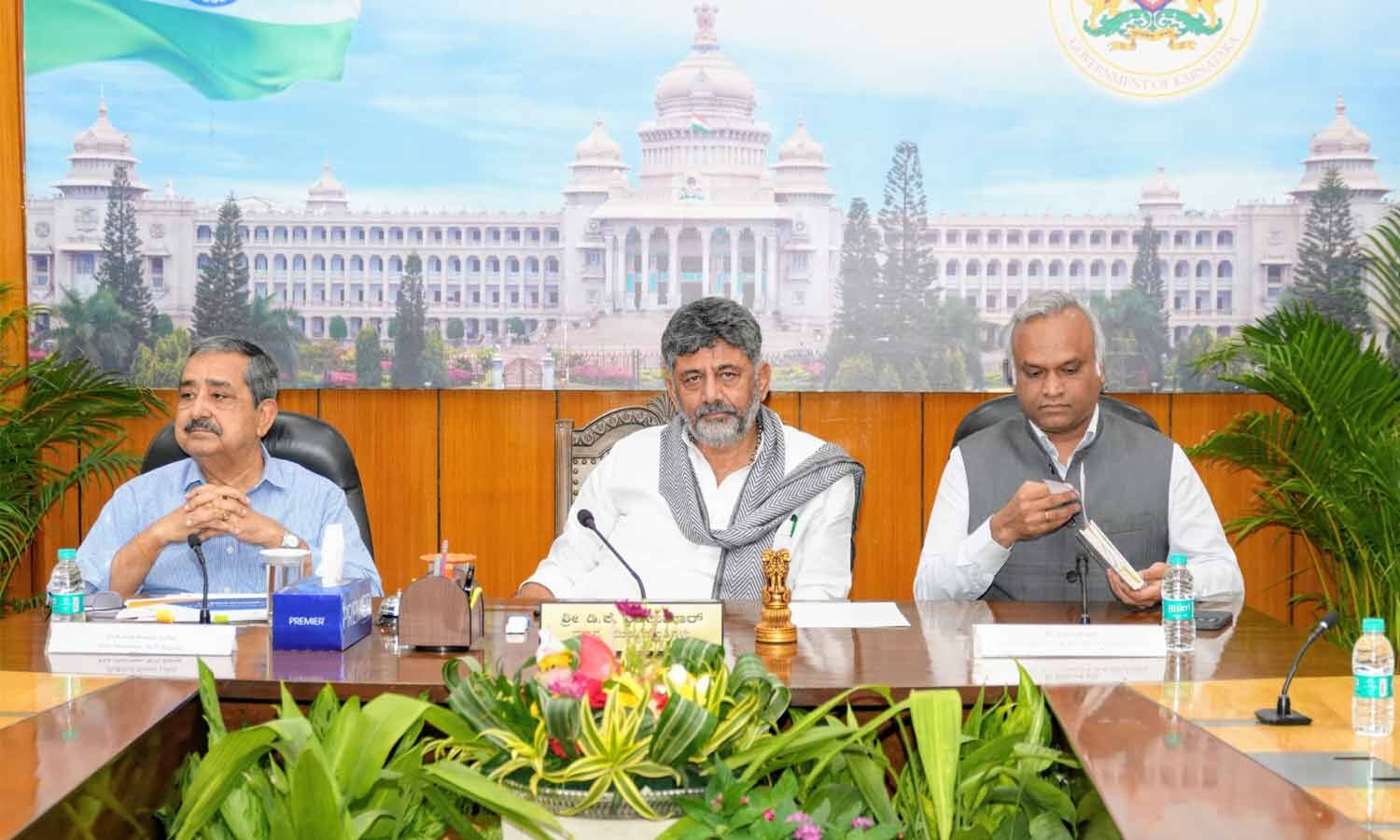
Shivakumar Calls BJP Padayatra Cover-Up for Internal Crisis
Congress MLA Threatens Resignation Over Jagalur Drought Recognition
Bommai Predicts Two More Government Wickets During BJP Padayatra
Vijayendra Predicts Another Minister’s Exit After Nagendra Resignation