

Archive · 1 Dec 2025
India's Welfare-Investment Dilemma: Balancing Growth and Support
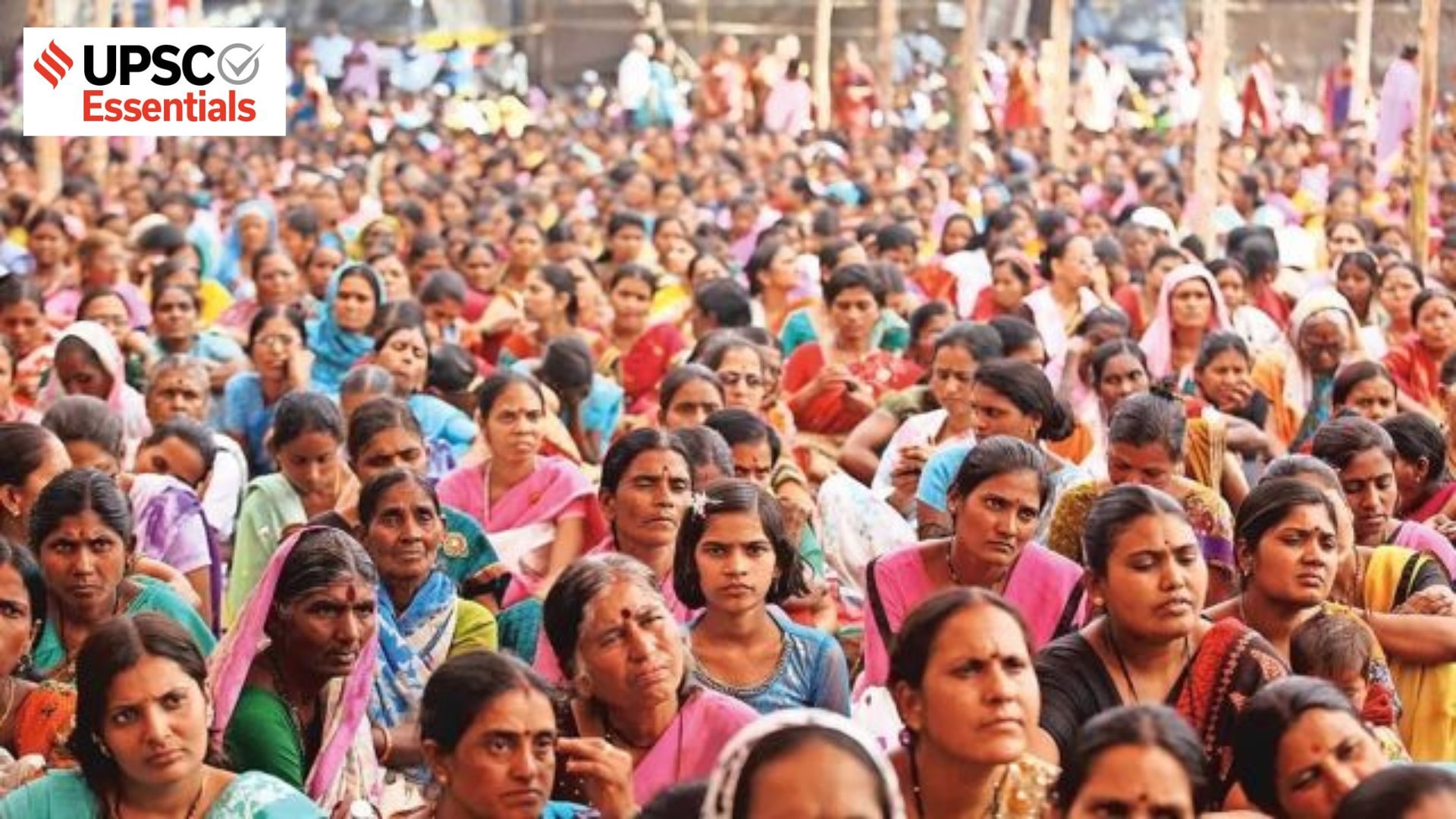
India has been giving money and goods to people who need help.
This is called welfare.
Some of this help is given directly to women, like in Maharashtra and Bihar.
While this helps people now, it also makes it harder for the government to save money for big projects in the future.
The government has to balance helping people today and planning for tomorrow.
Some states, like Tamil Nadu and Karnataka, are doing a good job at this.
The central government also has a big role to play in making sure states have enough money for both welfare and investment.

India has shifted from in-kind welfare (like food and housing) to more cash transfers, especially for women, post-2020.
13 states now run women-centred cash transfer schemes, with total commitments reaching 1.75 lakh crore in 2025-26.
Welfare spending is politically popular due to immediate visibility, while long-term investments are often postponed.
This creates a 'political economy trap' where welfare spending becomes hard to reduce, and investment is easier to cut.
States like Tamil Nadu and Karnataka balance welfare and investment well, but many others face fiscal strain.
- Who
- Indian states and the central government
- What
- Implementation of cash and kind transfer schemes, particularly women-centred ones
- When
- Over the past decade, with a significant rise post-2020
- Where
- Across various states in India, with notable examples in Maharashtra, Bihar, Assam, and West Bengal
- Why
- To provide income support, improve welfare, and attract women voters, but also to address the tension between welfare spending and long-term investment
- Mukhyamantri Majhi Ladki Bahin Yojana
- Maharashtra's women-centred cash transfer scheme
- Mukhyamantri Mahila Rojgar Yojana (MMRY)
- Bihar's women-centred employment scheme
- Orunodoi
- Assam's universal-style cash support scheme for women
- Lakshmir Bhandar
- West Bengal's women-centred cash transfer scheme
- Total state-level women-centred cash transfers
- 1.75 lakh crore in 2025-26
- State debt
- Close to 27.5% of GDP
- Fiscal deficit target
- 4.4% of GDP
- Central cash and in-kind transfers
- 3.85 lakh crore (8.5% of government spendings)