

Archive · 26 Oct 2025
Gastronomy's Rise: Identity, Tourism, and Cultural Diplomacy
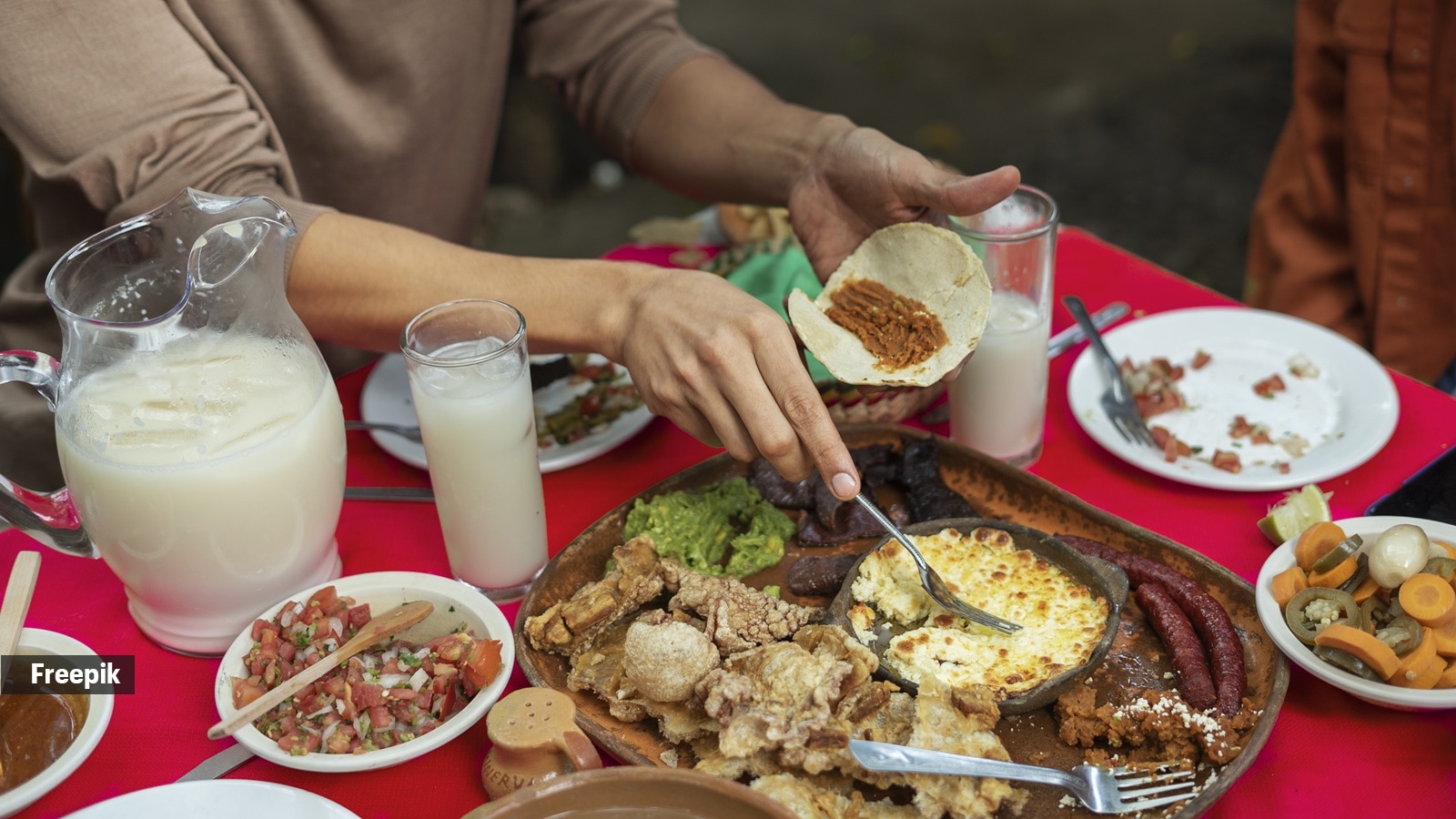
Imagine food as a way for countries and regions to show off who they are, like using a special language.
Places like Quebec with poutine, Spain with paella, and Japan with ramen are all doing this.
They are trying to attract tourists and show the world their unique culture through their food.
Cities are even competing to be recognized as 'Cities of Gastronomy.'
But some people worry that these changes might make the food less authentic to the locals.
In the end, it's about making food that tells a story, creates memories, and connects people to a place.

Gastronomy is emerging as a marker of identity and regional pride.
Kelowna, BC, is applying for UNESCO City of Gastronomy designation.
Food tourism has become a key driver of regional development and appeal.
Signature dishes function as cultural logos, creating lasting memories.
Authenticity of food experiences is challenged by tourist expectations.
- Who
- Cities and regions worldwide, like Kelowna, are using gastronomy.
- What
- Gastronomy, or the art of food, is evolving into a key driver for tourism, cultural identity, and diplomacy.
- When
- The trend of gastronomy tourism has been growing, with Kelowna recently applying to become a UNESCO City of Gastronomy.
- Where
- Worldwide, particularly in regions like Canada (e.g., Quebec, Prince Edward Island, Alberta, and British Columbia) and Spain.
- Why
- Regions are using food to build identity, attract tourists, and engage in cultural diplomacy.
- UNESCO Cities of Gastronomy
- 57 cities worldwide
- Kelowna's Bid
- To become Canada's first City of Gastronomy
- Food Tourism Value (2024)
- Roughly USD 1.8 billion globally
- Expected Food Tourism Value (2033)
- Almost USD 8 billion
- Growth Rate (Food Tourism)
- About 18% per year