Archive · 27 Jul 2026
Public Examinations Amendment Bill 2026 Introduces Harsher Penalties
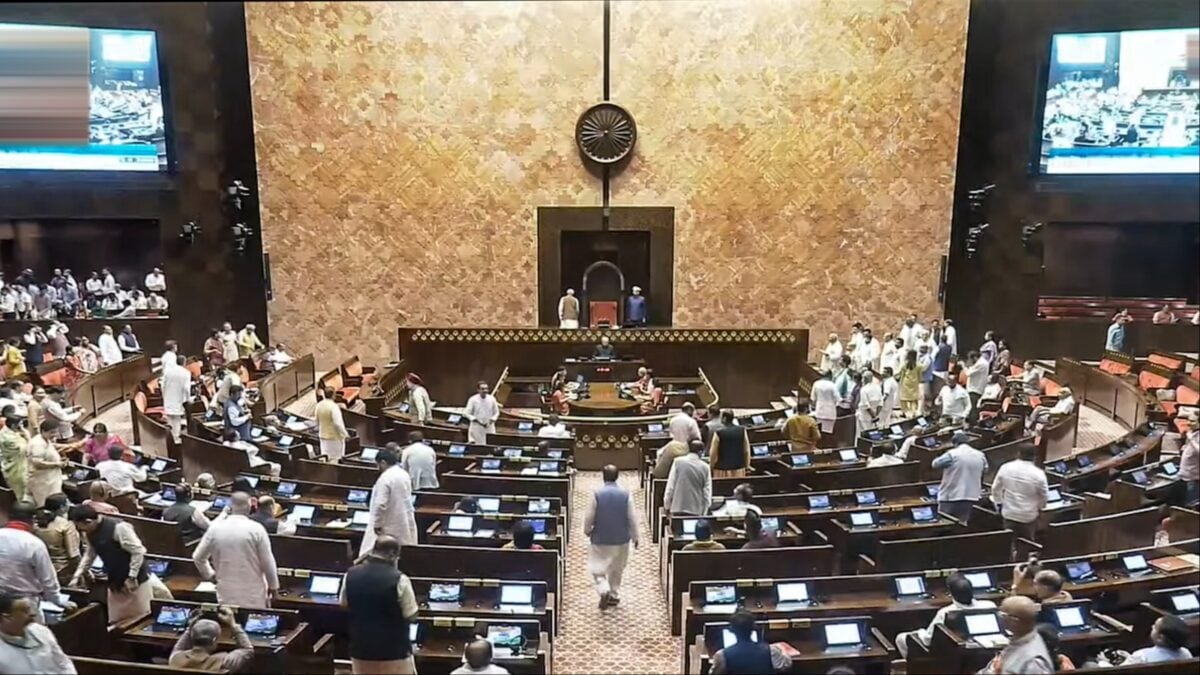
The Indian government has approved a new law to make punishments stricter for people who cheat in public exams.
This law, called the Public Examinations Amendment Bill 2026, increases jail time and fines for cheating.
It also sets up special courts to make sure trials happen quickly.
The government wants to stop exam fraud and make exams fair.
Some people think the punishments are too harsh, while others believe it will help keep exams honest.

The Union Cabinet approved the Public Examinations (Prevention of Unfair Means) Amendment Bill, 2026.
The Bill introduces harsher punishments, including increased jail terms and fines for examination fraud.
Service providers involved in exam fraud could face fines up to ₹5 crore and be barred for eight years.
Organised exam fraud will carry a minimum prison sentence of seven years and a fine of ₹10 crore.
Special Fast Track Courts will be established to complete trials within three months.
- Who
- The Union Cabinet, led by Prime Minister Narendra Modi
- What
- Approved the Public Examinations (Prevention of Unfair Means) Amendment Bill, 2026
- When
- The Bill is expected to be tabled in the Lok Sabha on Monday, July 27
- Where
- India
- Why
- To tighten action against paper leaks and examination-related offences, ensuring the integrity, transparency, and credibility of public examinations
Government and Proponents
Critics and Opponents
Severity of Punishments
Government and Proponents
The government believes the increased penalties will act as a strong deterrent against examination fraud and ensure the integrity of public examinations.
Critics and Opponents
Critics argue that the severe penalties may disproportionately affect lower-level participants in exam fraud and could lead to human rights violations.
Speed of Trials
Government and Proponents
Proponents argue that the establishment of Special Fast Track Courts will expedite the trial process, ensuring justice is served promptly.
Critics and Opponents
Opponents contend that the rushed trials may compromise the fairness and thoroughness of the judicial process.
- Minimum Imprisonment
- 5 years
- Maximum Imprisonment
- 10 years
- Maximum Fine
- ₹50 lakh
- Fine for Service Providers
- Up to ₹5 crore
- Bar on Service Providers
- 8 years
- Minimum Imprisonment for Organised Fraud
- 7 years
- Minimum Fine for Organised Fraud
- ₹10 crore
- Investigation Completion Time
- 2 months
- Trial Completion Time
- 3 months
Sources

Want all parties to take part: Rijiju on Exams Bill

What's next in parliament after Education Minister Dharmendra Pradhan's resignation
Centre to table anti-paper leak Amendment Bill with 10-year jail, Rs 10 crore fine and fast-track courts

10-Year Jail, Up To Rs 10 Cr Fine, and...: 10 Harshest Punishments In New Formula To Crush Exam Paper Leak Masterminds
Govt To Table Anti-Cheating Bill Today: What The Public Examinations Amendment Bill 2026 Means For Students

Parliament Monsoon Session 2026 Live Updates: Centre to introduce Public Examinations Amendment Bill, Opposition issues adjournment notices

No Escape For Exam Cheats: 8-Year Jail, Fast-Track Court Trials, 2-Month Probe Expected In New Bill
As Paper Leak Deadlock Ends, Government Moves to Clear Legislative Agenda in Monsoon Session

NEET Protests: Govt to bring tougher new anti-paper leak bill in Parliament today. What's changed?

'Want All Parties to...': Kiren Rijiju Urges Debate on Public Examinations Amendment Bill
Parliament LIVE: Public Examinations Amendment Bill to be tabled in Lok Sabha today following week of protests over NEET paper leak scam

Public Examinations Amendment Bill explained: Up to 10 years in jail, Rs 10 crore fine and faster trials
5-year jail term, Rs 50 lakh fine: Key changes in Public Examinations Amendment Bill 2026