

Archive · 8 Jan 2026
Ancient African hunters used poison-tipped arrows 60,000 years ago
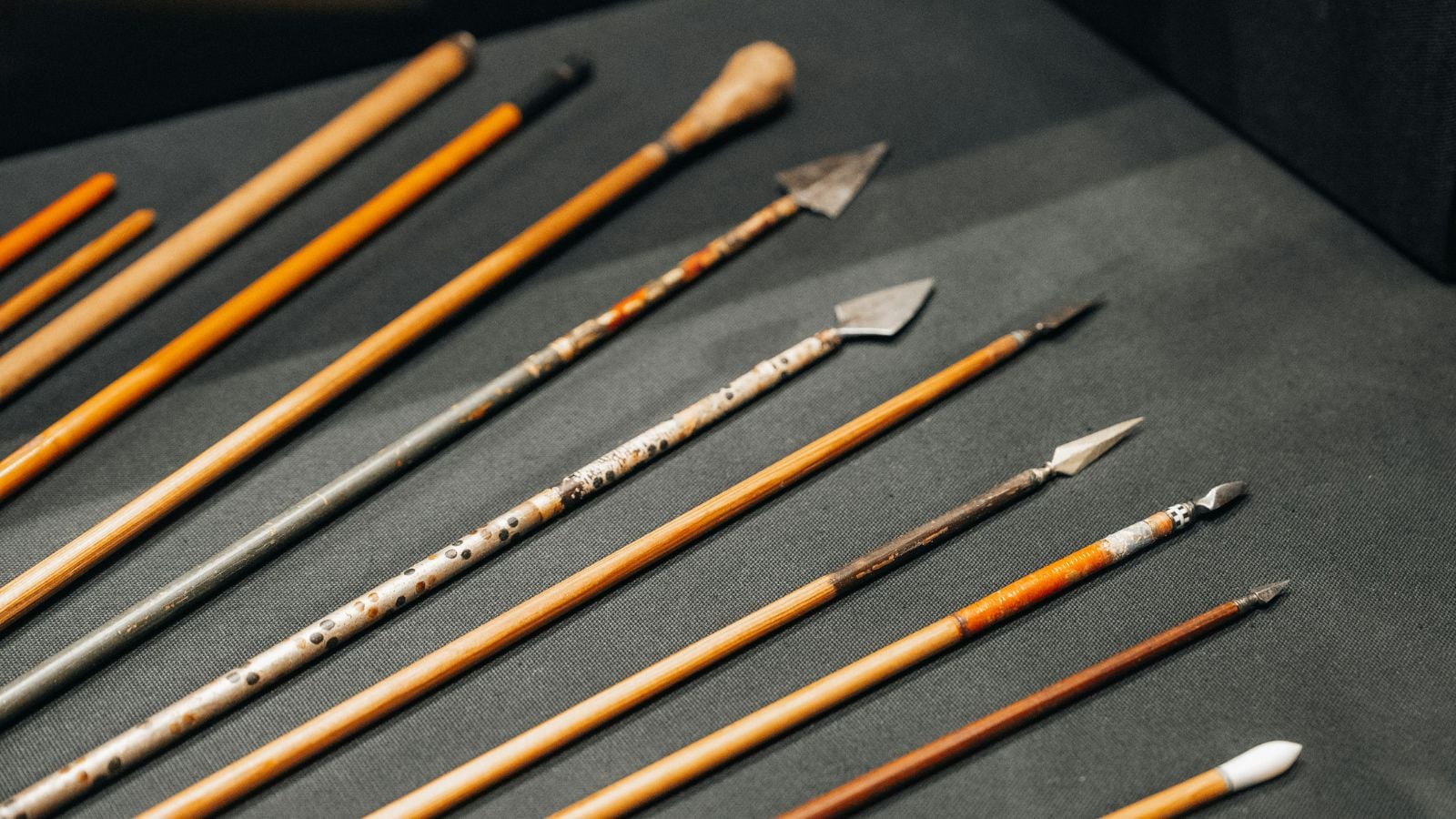
Scientists found that people in Africa used poison on their arrows a very long time ago, about 60,000 years.
They discovered this by looking at old arrowheads and found traces of strong plant poisons.
These poisons came from a plant called Boophone disticha, which is found in southern Africa.
The poisons could make animals sick or even kill them, helping the hunters catch their prey.
This shows that ancient people knew a lot about plants and how to use them for hunting.
The researchers also looked at arrows from the 1700s and found the same poisons, which proves that this knowledge has been passed down for a very long time.

Researchers found traces of plant toxins on 60,000-year-old arrowheads from South Africa.
The toxins, buprenorphine and epibuphanisine, likely came from the Boophone disticha plant.
This discovery pushes back the known use of poisoned weapons by tens of thousands of years.
The poisons could weaken or kill animals, aiding hunters in tracking and killing large game.
The findings suggest early humans had advanced knowledge of plant chemistry and its applications.
- Who
- Prehistoric African communities, researchers led by Marlize Lombard
- What
- Discovery of poison-tipped arrows dating back 60,000 years
- When
- 60,000 years ago, with recent analysis in 2020s
- Where
- Umhlatuzana rock shelter, KwaZulu-Natal, South Africa
- Why
- To weaken and hunt large game, showcasing advanced ecological knowledge
- Time Period
- 60,000 years ago
- Location
- Umhlatuzana rock shelter, KwaZulu-Natal, South Africa
- Toxins Found
- Buprenorphine and epibuphanisine
- Source Plant
- Boophone disticha
- Researchers
- Marlize Lombard and team
- Method
- Chemical analysis of ancient arrowheads
- Significance
- Earliest known use of poisoned weapons