10 months ago
AI and Computational Thinking to be Introduced from Class 3 by 2026
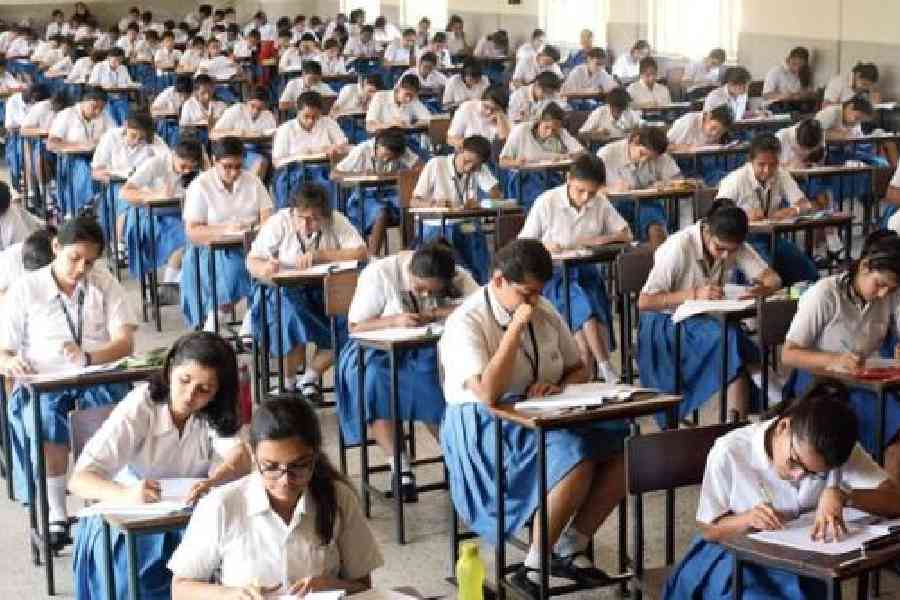
Starting in 2026, all schools in India will begin teaching about Artificial Intelligence (AI) and how to think like a computer, starting with kids in the third grade.
This is part of a new plan called NEP 2020 to make sure students are ready for the future, where technology is everywhere.
An expert group, led by a professor from IIT Madras, is creating the lessons.
Teachers will get special training and new learning materials to help them teach these subjects.
This effort involves many parts of the government working together to make sure every child learns these important new skills.
The goal is to make AI and CT as common as reading and writing.

Artificial Intelligence (AI) and Computational Thinking (CT) will be introduced from Class 3 starting the 2026-27 academic session.
This initiative aligns with the National Education Policy (NEP) 2020 and the National Curriculum Framework for School Education (NCF SE) 2023.
An expert committee, led by Prof. Karthik Raman from IIT Madras, has been formed by CBSE to develop the AI and CT curriculum.
Teacher training and resource materials, including NISHTHA training and video-based resources, will be provided for implementation.
The Department of School Education and Literacy is collaborating with CBSE, NCERT, KVS, NVS, and state education departments.
- Who
- Department of School Education and Literacy (DoSE&L) under the Ministry of Education
- What
- Announced the introduction of Artificial Intelligence (AI) and Computational Thinking (CT) into the school curriculum from Class 3 onwards.
- Where
- In schools across India, involving CBSE, NCERT, KVS, NVS, and State/UT education departments.
- When
- Starting in the 2026-27 academic session.
- Why
- To prepare students for a technology-driven future, aligning with NEP 2020 and NCF SE 2023.
Emphasis on International Standards
Emphasis on National Needs
Curriculum Development Perspective
Emphasis on International Standards
It is beneficial to analyze and incorporate insights from cross-national and international boards for curriculum development.
Emphasis on National Needs
While international perspectives are valuable, the curriculum must be specifically tailored to meet India's unique educational needs and context.
Key facts
- Curriculum to be Introduced From
- Class 3
- Target Academic Session
- 2026-27
- Expert Committee Lead
- Prof. Karthik Raman, IIT Madras
- Key Policy Alignments
- NEP 2020 and NCF SE 2023
- Government Bodies Involved
- DoSE&L, CBSE, NCERT, KVS, NVS, State and UT education departments
- Training Programs
- NISHTHA
Quotes
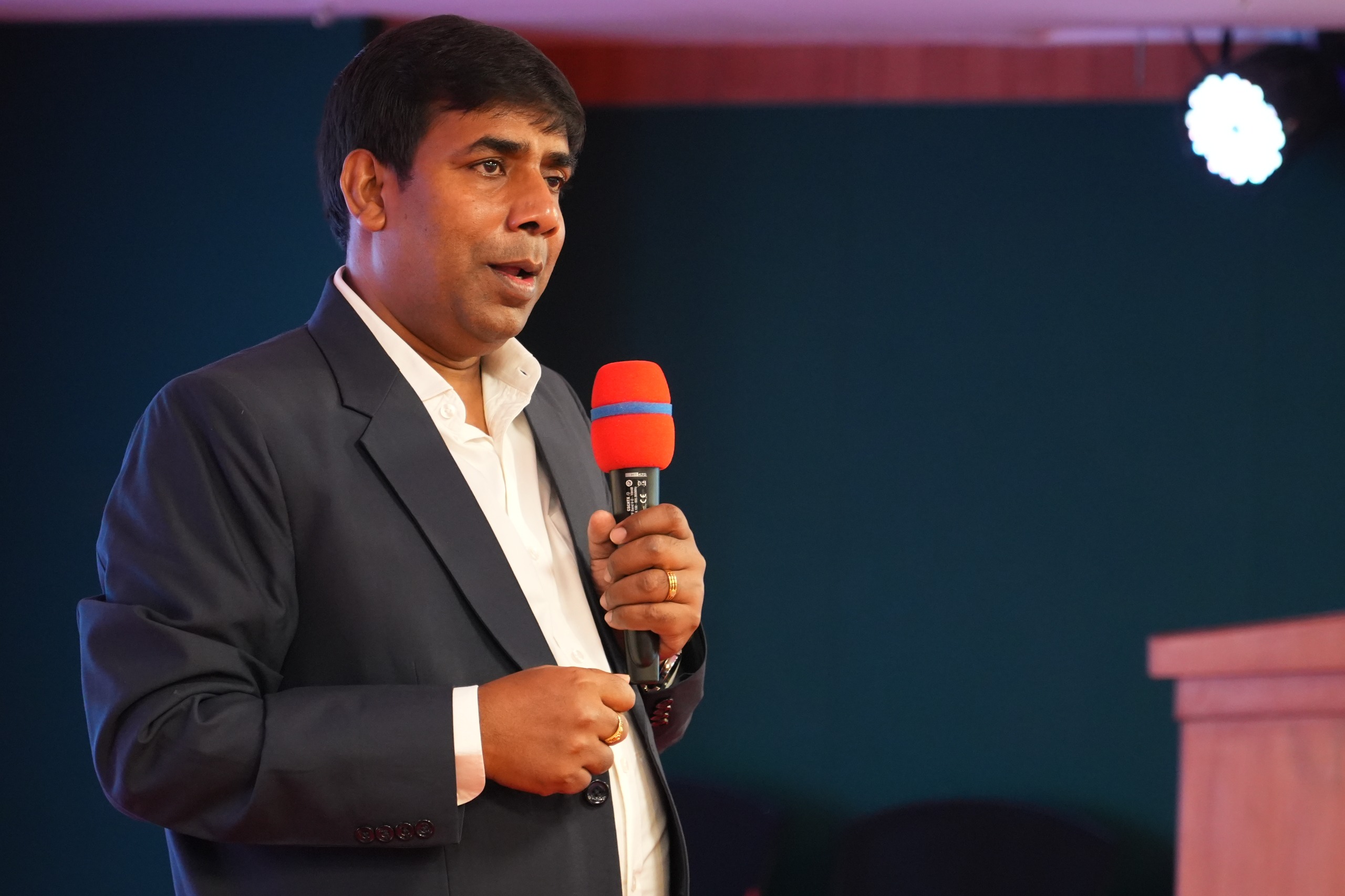
Shri Sanjay Kumar
Secretary, Department of School Education and Literacy (DoSE&L)
“Every child’s distinct potential is our priority. Our job as policymakers is to define the minimum threshold and re-evaluate it based on the changing needs.”
 news18.com
“It is good to have cross-national and cross-international Boards analysis and have an international perspective, but it needs to be specific to our needs.”
news18.com