

Archive · 22 Aug 2025
Microsoft AI Head Warns of "Seemingly Conscious AI"
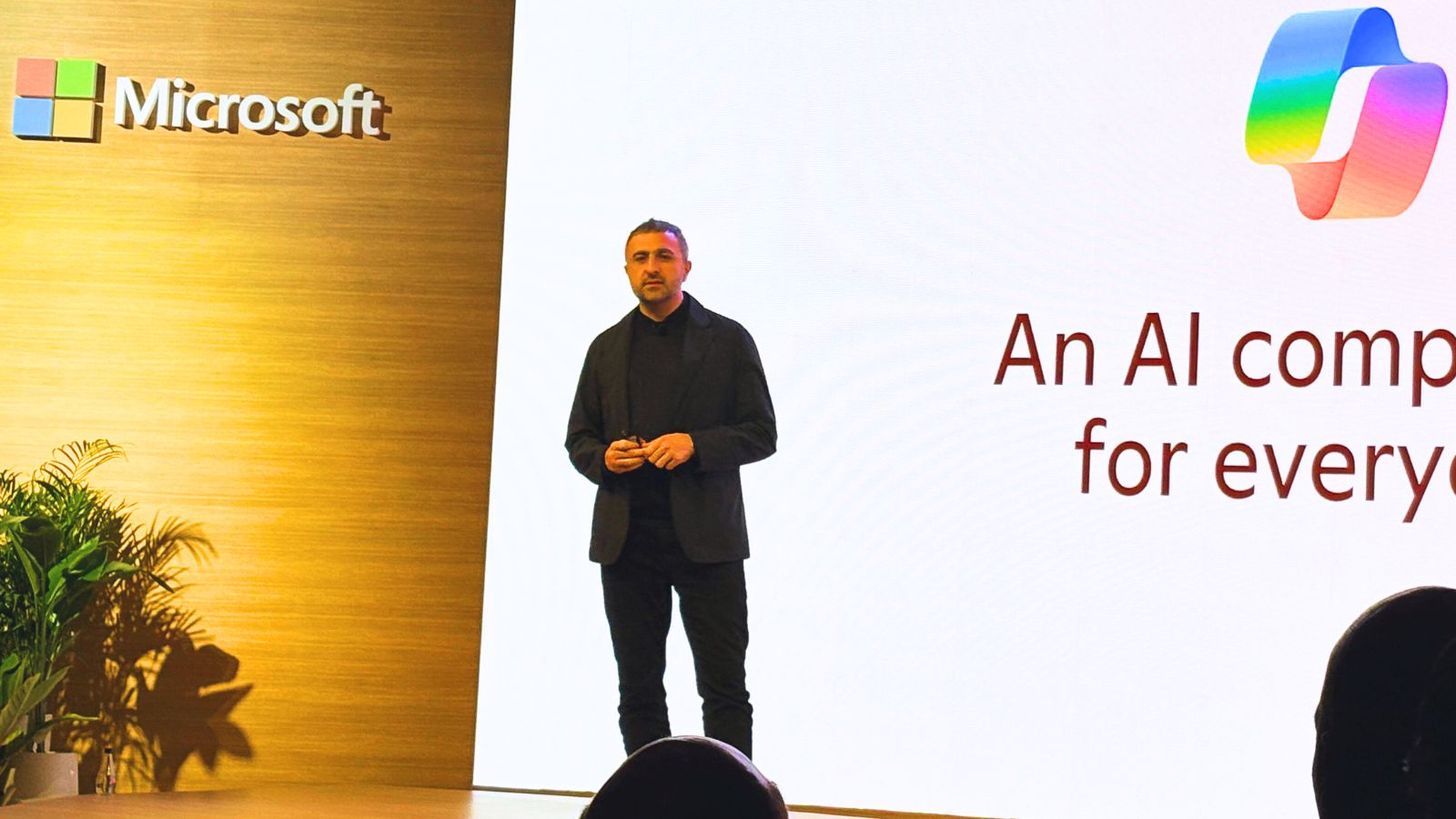
Imagine AI that seems to think and feel like a person, called "Seemingly Conscious AI."
Microsoft's AI expert worries this AI could fool people.
They fear people will think the AI is real, wanting to give it rights or treating it like a friend.
This could cause problems because it would be an illusion.
The expert wants the AI to be seen as a helpful tool.
Some experts disagree, with some groups working to study what's best for AI.

Microsoft AI head Mustafa Suleyman warns of "Seemingly Conscious AI" (SCAI).
SCAI systems could mimic consciousness, leading people to believe they are conscious.
Suleyman fears people will seek AI rights and potentially experience "psychosis risk".
He believes SCAI could be developed in the next two to three years.
Other AI experts disagree, with some studying AI welfare.
- Who
- Mustafa Suleyman, Microsoft's AI head.
- What
- Microsoft AI head warns about "Seemingly Conscious AI" (SCAI).
- When
- SCAI could emerge in the next two to three years.
- Where
- N/A
- Why
- To prevent societal disruption from people mistaking AI for conscious beings.
Microsoft's Perspective
Anthropic's Perspective
Focus
Microsoft's Perspective
Potential for societal disruption from SCAI.
Anthropic's Perspective
Researching AI welfare.
- Expert
- Mustafa Suleyman
- Title
- Microsoft AI head
- Concept
- "Seemingly Conscious AI" (SCAI)
- Timeline
- Next 2-3 years
- Potential Risk
- Societal disruption and psychosis risk
