2 hrs ago
Bhupen Hazarika’s Songs Turn Grief Into Love and Longing

Bhupen Hazarika was a famous singer and composer from Assam.
He wrote the music for “Dil hoom hoom kare,” a song in the film Rudaali.
Gulzar wrote words about a worried heart that wants to cry.
Lata Mangeshkar sang a popular version, and Hazarika also sang his own version.
Lata’s voice sounds clear and high, while Hazarika’s deeper voice sounds especially vulnerable.
The unusual phrase “hoom hoom” describes the rumbling feeling of a heavy heart.
Hazarika had used the phrase earlier in an Assamese song.
His music often told stories about struggle, kindness and people’s connection to rivers.
The article presents the song as a tribute to Hazarika and Assam’s musical heritage.

Bhupen Hazarika composed “Dil hoom hoom kare” for Kalpana Lajmi’s 1993 film Rudaali.
Gulzar’s lyrics portray anxiety, suppressed emotion and a longing for tears rather than simple heartbreak.
Lata Mangeshkar’s version became more popular, while Hazarika’s baritone conveyed an aching vulnerability.
The song’s phrase “hoom hoom” came from Hazarika’s earlier Assamese composition “Buku hoom hoom kore.”
The article connects Hazarika’s music to social struggle, empathy and Assam’s memories of its music makers.
- Who
- Bhupen Hazarika composed and sang the song; Gulzar wrote its lyrics, and Lata Mangeshkar recorded another version.
- What
- The article examines “Dil hoom hoom kare,” its origins, interpretations and place in Rudaali.
- Where
- The song is associated with Rudaali’s rural Rajasthan setting and Hazarika’s Assamese musical tradition.
- When
- The song appeared in the 1993 film Rudaali; Hazarika was born on September 8, 1926, and died on November 5, 2011.
- Why
- The article argues that the song expresses suppressed grief, love and longing while recalling Hazarika’s broader music about struggle and empathy.
Critical and Earthy Reading
Popular and Melodramatic Reading
Vocal interpretation
Critical and Earthy Reading
Hazarika’s earthy baritone is presented as especially vulnerable and suited to the film’s oppressive social setting.
Popular and Melodramatic Reading
Lata Mangeshkar’s pristine, high-pitched version became more popular and is regarded by many as one of her finest songs of the 1990s.
Film adaptation
Critical and Earthy Reading
The article says Rudaali’s adaptation softened some of Mahasweta Devi’s anger about caste and patriarchy.
Popular and Melodramatic Reading
The film’s romance, songs, star cast and lush visuals may have helped it reach a wider audience and become an unlikely hit.
Meaning of the song
Critical and Earthy Reading
The song is interpreted as the suppressed voice of an oppressed heart, expressing anxiety and the need to cry.
Popular and Melodramatic Reading
Its placement in a romantic melodrama allows it to work as a broader song of love and longing rather than only social protest.
Key facts
- Film
- Rudaali, released in 1993 and directed by Kalpana Lajmi
- Composer
- Bhupen Hazarika
- Lyrics
- Gulzar
- Vocal versions
- The song was sung by both Lata Mangeshkar and Bhupen Hazarika
- Earlier source
- The phrase “hoom hoom” was retained from Hazarika’s Assamese song “Buku hoom hoom kore”
- Earlier adaptation
- Hazarika reprised the Assamese song for the 1977 Bangladeshi film Simana Periye
- Hazarika
- Born in Sadiya, Assam, on September 8, 1926; died on November 5, 2011
Quotes

Paul Robeson
African-American civil rights activist and singer who met Bhupen Hazarika in New York
“social instrument”
 telegraphindia.com
Sources
Related news
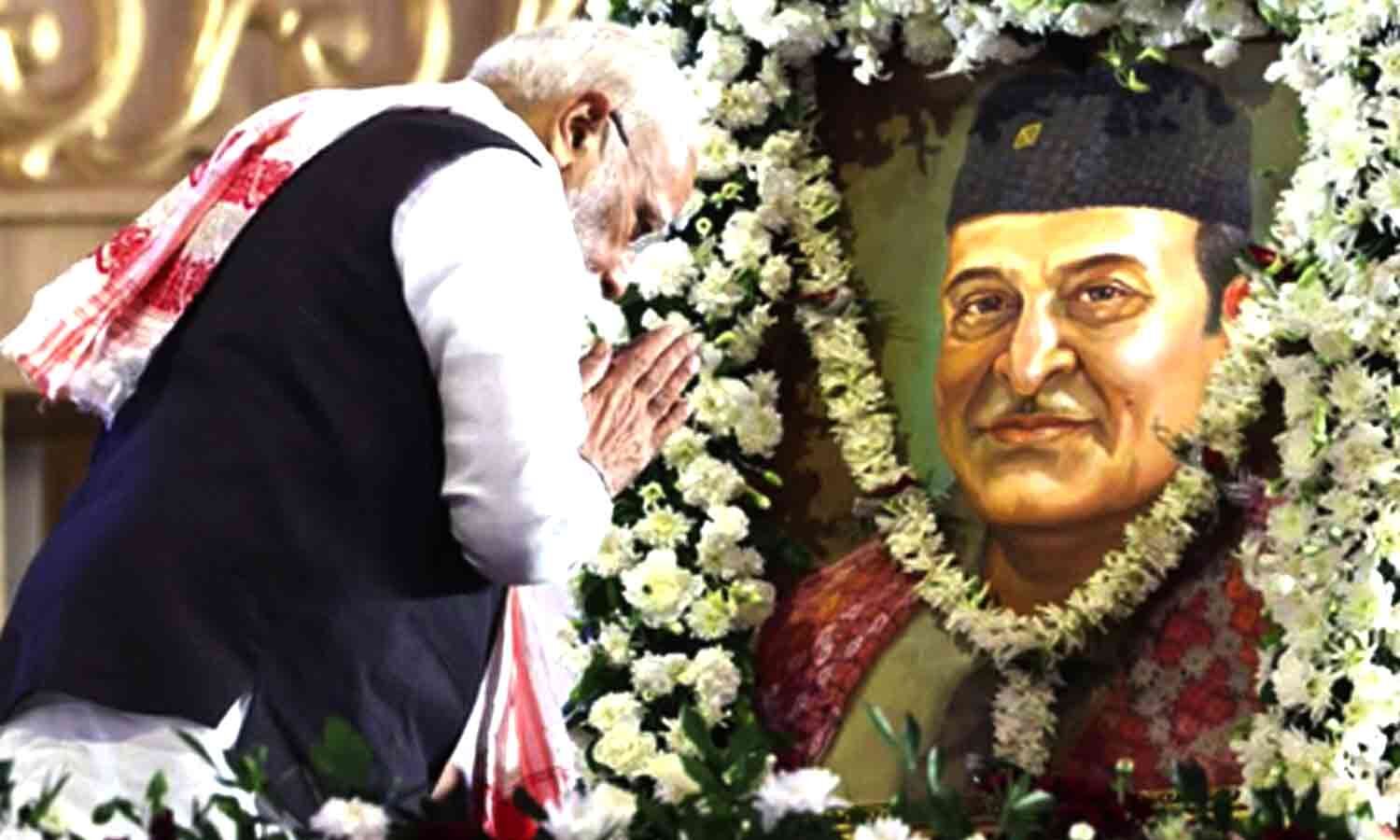
Leaders Honor Bhupen Hazarika on His 100th Birth Anniversary

Asha Bhosle’s Ghar Jayegi, Tar Jayegi Celebrates Kusum’s Inner Joy

Bhupen Hazarika Documentary Reveals Maestro’s Life And Philosophy

Bollywood Krishna Songs To Add To Your Janmashtami Playlist

Assam Marks Bhupen Hazarika’s Birth Centenary With Nationwide Celebrations

Krishna Songs for Every Janmashtami Celebration and Gathering

Rain Sends Pakistan Into Asian Games Cricket Semifinals

India Targets More Medals as Cricket and Shooters Compete

Rain Abandons India-Afghanistan Quarterfinal; India Reach Asian Games Semifinals

Pakistan Airspace Denial Delays Rooppur Plant’s Unit 2 Uranium Shipment