

Archive · 25 Nov 2025
Scientists Use Bed Bugs to Solve Crimes
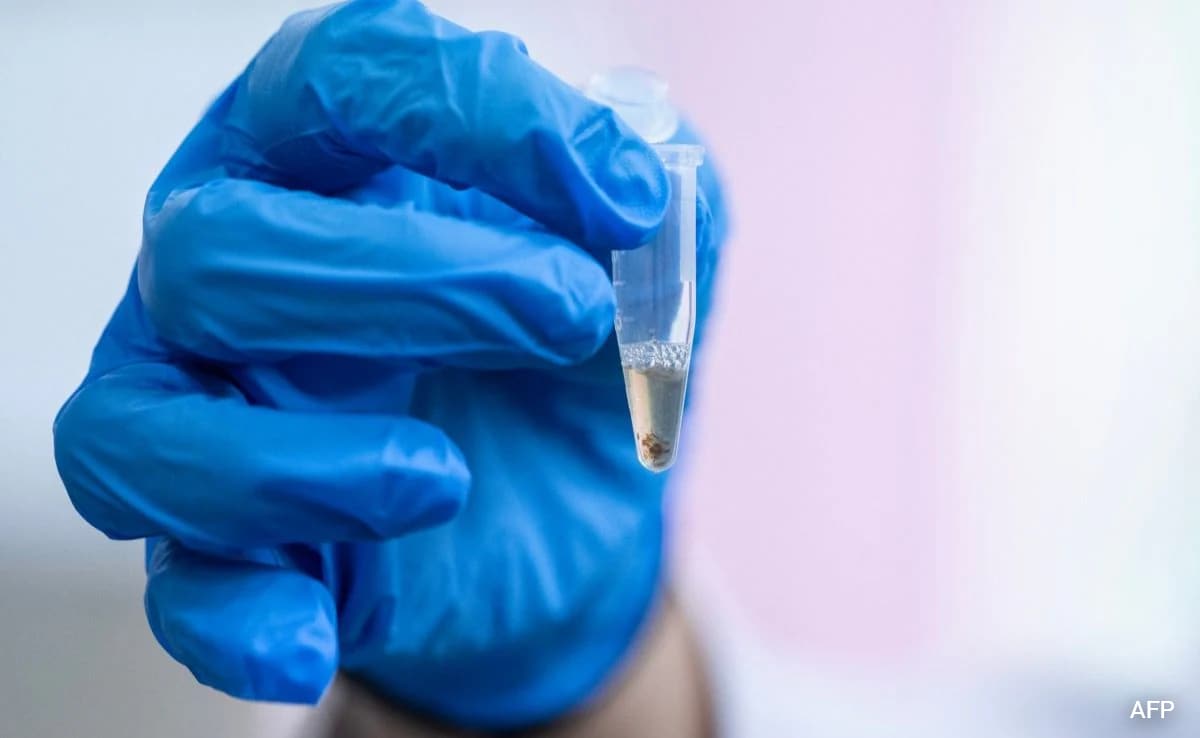
Scientists in Malaysia have found that bed bugs can be used to help solve crimes.
These tiny insects can keep human DNA from their meals for up to 45 days.
By studying the DNA in the bugs, scientists can figure out things like the person's gender, eye color, hair color, and skin color.
This can help police find suspects even if they have left the crime scene.
The bed bugs are good for this because they don't fly away like mosquitoes and stay close to where they feed.
However, the DNA only lasts for a short time, so it's useful only if the bugs are found within 45 days of the crime.
The scientists also want people to know that bed bugs don't spread diseases, even though their bites can be itchy.

Scientists in Malaysia discovered that tropical bed bugs can retain human DNA for up to 45 days after feeding.
The DNA from bed bugs can reveal gender, eye color, hair color, and skin color of a person.
Bed bugs are useful in crime scenes because they stay close to where they feed and are often hidden.
The research was published in Nature's Scientific Reports and is the first documented forensic use of tropical bed bugs.
Bed bugs are not known to spread diseases, despite their itchy bites.
- Who
- Scientists from the Science University of Malaysia (USM)
- What
- Using bed bugs to retain human DNA for forensic analysis
- When
- Research conducted over nearly half a decade, published two years ago
- Where
- Science University of Malaysia (USM) in Penang, Malaysia
- Why
- To help solve crimes by identifying suspects through DNA profiling
- Species
- Cimex hemipterus (tropical bed bugs)
- DNA Retention
- Up to 45 days
- Researchers
- Abdul Hafiz Ab Majid and Lim Li
- Institution
- Science University of Malaysia (USM)
- Publication
- Nature's Scientific Reports
- DNA Markers
- STR (Short Tandem Repeat) and SNP (Single Nucleotide Polymorphism)
- Movement Range
- 20 feet (6 meters) after feeding