Archive · 25 Jul 2025
India-UK Free Trade Deal Sparks Economic Hopes and IP Concerns
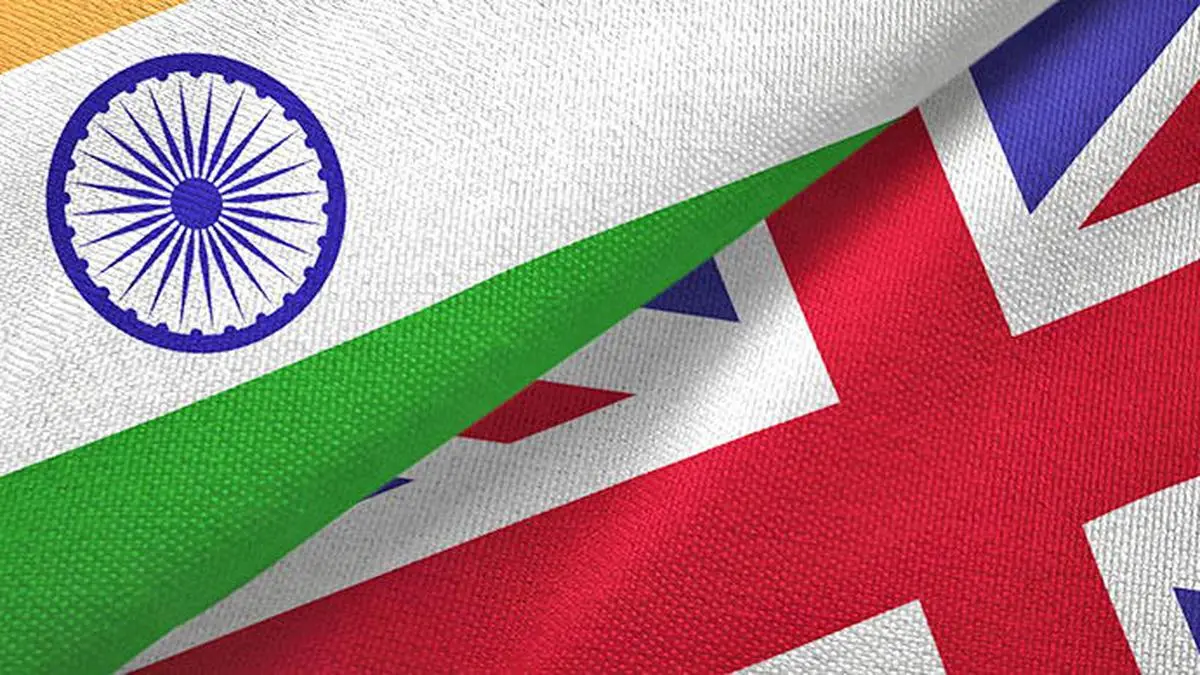
India and the UK have made a deal to trade goods more easily.
This means lower taxes on things like clothes and cars.
Experts are worried the deal could make it harder for people to get cheap medicines.
The agreement may slightly increase India's economic growth.
The deal aims to increase the amount of trade between both countries by billions of dollars each year, and could set the stage for similar deals in the future.

India and the UK finalized a free trade agreement (FTA) aimed at reducing tariffs and boosting trade.
Experts express concerns that the FTA's intellectual property provisions might favor patent holders, potentially limiting access to affordable medicines.
The agreement could increase India's GDP growth by up to 0.25% over five years, according to Elara Capital.
The deal acknowledges voluntary licensing as the preferable route, potentially undermining compulsory licensing for medicines.
The FTA is projected to enhance bilateral trade by an estimated $34 billion annually, and could serve as a blueprint for future trade deals.
- Who
- India and the UK government representatives signed the agreement.
- What
- India and the UK signed a free trade agreement.
- When
- The FTA was finalized recently after three years of negotiation.
- Where
- The agreement is between India and the UK.
- Why
- The agreement aims to reduce tariffs, boost trade, and improve market access.
Concerns over Patent Rights
Government's Stance
Compulsory Licensing
Concerns over Patent Rights
Some experts fear the agreement prioritizes voluntary licensing, potentially limiting access to affordable life-saving medicines.
Government's Stance
The government affirms that the IP chapter is balanced, aligned with India’s legal framework and public health priorities, and that compulsory licenses remain an option.
- Bilateral Trade 2024
- $21.9 billion
- Projected trade enhancement
- $34 billion annually
- GDP Growth Increase
- Up to 0.25% over five years
- Tariff Reduction
- Average tariffs on British products will fall from 15% to 3%
- Key advantage for India
- Labor-intensive exports like textiles and footwear