

Archive · 2 Oct 2025
Jalebi: Origins, Consumption, and Cultural Significance
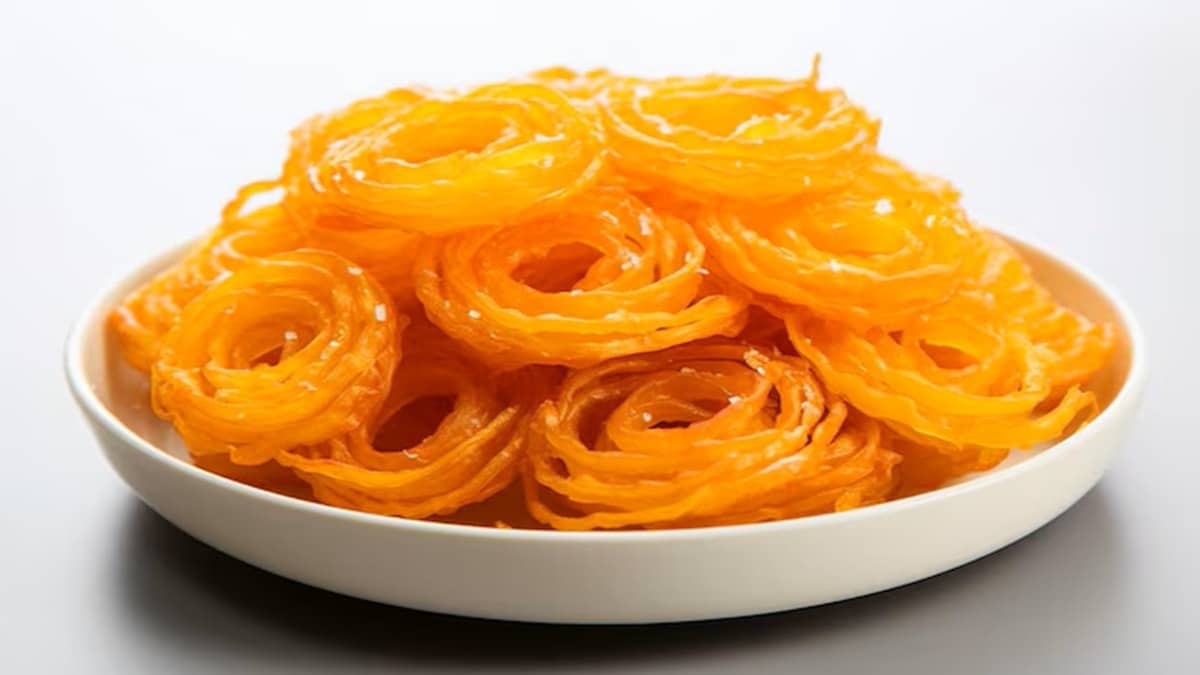
Jalebi, a sweet and crispy treat, is popular across India.
It came from the Middle East long ago.
In India, it's known as 'Jalebi'.
It's often eaten for breakfast in northern states, sometimes with yogurt.
In the south, it's more of an evening snack with tea.
It's been mentioned in old cookbooks and represents happiness and celebrations.
There are regional variations too, like the aloo jalebi in Mathura.
So, whether it's breakfast or a snack depends on where you are.

Jalebi originated in the Middle East as 'Zalabiya'.
It was introduced to India between the 13th and 15th centuries.
In North India, jalebi is often eaten for breakfast.
In South India, jalebi is typically consumed in the evenings.
It has become a symbol of joy and festivity in India.
- Who
- Persian traders and travelers introduced it to India.
- What
- Jalebi's origins and consumption habits across India.
- When
- Introduced to India between the 13th and 15th centuries.
- Where
- Originated in the Middle East; consumed throughout India.
- Why
- To understand its cultural significance as a dessert.
- Origin
- Middle East
- Introduction to India
- Between the 13th and 15th centuries
- Original Name
- Zalabiya
- Consumption in North India
- Breakfast essential
- Consumption in South India
- Evening snack