Archive · 29 Jan 2026
2,900 km of Namo Bharat RRTS corridors identified in India

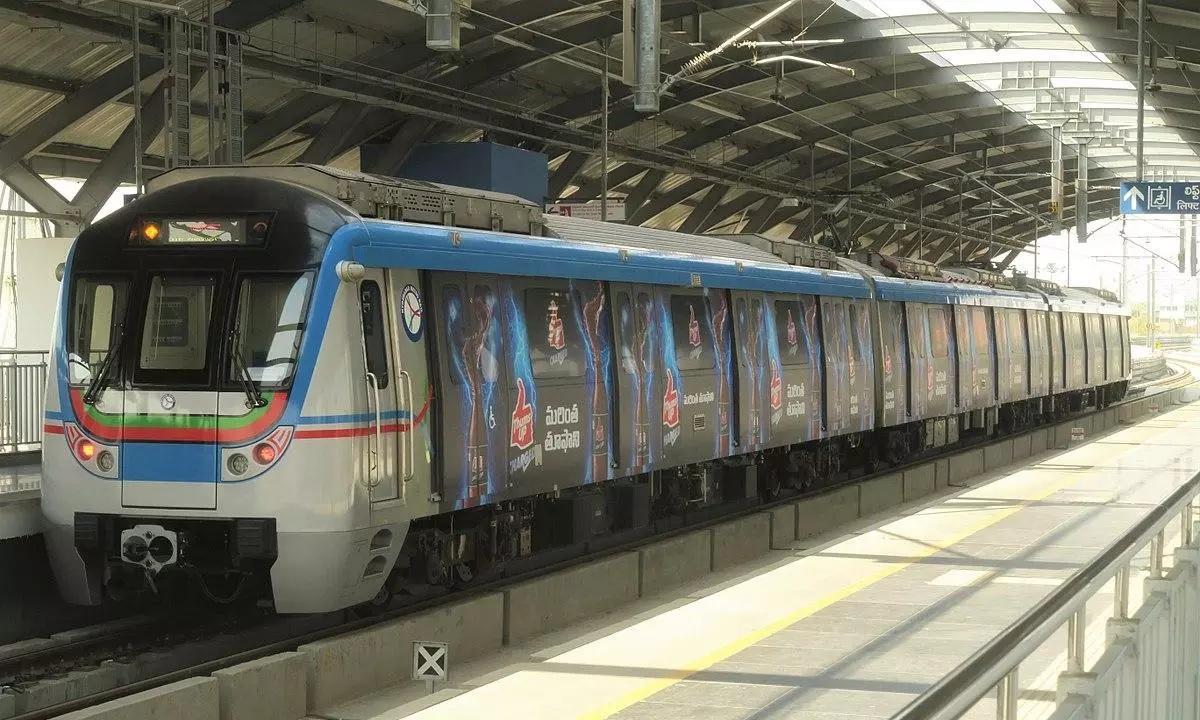
The Economic Survey 2025-26 has identified nearly 2,900 kilometers of new Namo Bharat Regional Rapid Transit System (RRTS) corridors across India.
These corridors aim to boost economic growth and improve connectivity between major cities.
The Delhi-Meerut RRTS has already shown positive impacts, creating jobs and reducing traffic and pollution.
The project includes plans for new towns and green spaces around the train stations.
The survey highlights the use of digital systems for better management and the significant role of women in train operations.
The goal is to make cities more sustainable and reduce the pressure on major urban centers like Delhi.

Nearly 2,900 km of Namo Bharat RRTS corridors identified across major regional clusters in India.
Delhi-Meerut RRTS generated 166 lakh mandays of employment during construction (2019-2025).
Operations of the Delhi-Meerut RRTS support 12 mandays of employment annually.
Early accessibility estimates show 6.9 to 7.6 lakh jobs within one hour for Meerut residents and 1 lakh for Sarai Kale Khan.
Over 35% of train operators and station controllers are women, with many recruited from nearby towns and villages.
- Who
- Indian government and Economic Survey 2025-26
- What
- Identification of 2,900 km of Namo Bharat RRTS corridors across India
- When
- Details revealed in the Economic Survey 2025-26
- Where
- Across major regional clusters in India, including Delhi-Meerut, Bengaluru-Mysuru-Tumakuru-Hosur, Chennai-Vellore-Villupuram-Chengalpattu, and Hyderabad-Warangal
- Why
- To develop mega-regions as new engines of economic growth and strengthen regional connectivity
- Total corridor length
- 2,900 km
- Employment impact (construction phase)
- 166 lakh mandays (2019-2025)
- Annual employment support
- 12 mandays
- Jobs accessible within one hour (Meerut)
- 6.9 to 7.6 lakh
- Jobs accessible within one hour (Sarai Kale Khan)
- 1 lakh
- Women in train operations and station control
- Over 35%
- Vehicle trips avoided (partial operations)
- 25 lakh
- CO2 emissions reduced (partial operations)
- 69 lakh kg