

6 days ago
Gen Z’s ‘Fun Funds’ Shift Spending Toward Experiences

A “fun fund” is money saved for enjoyable experiences instead of ordinary shopping.
People may use it for concerts, trips, pottery classes, sports or cultural events.
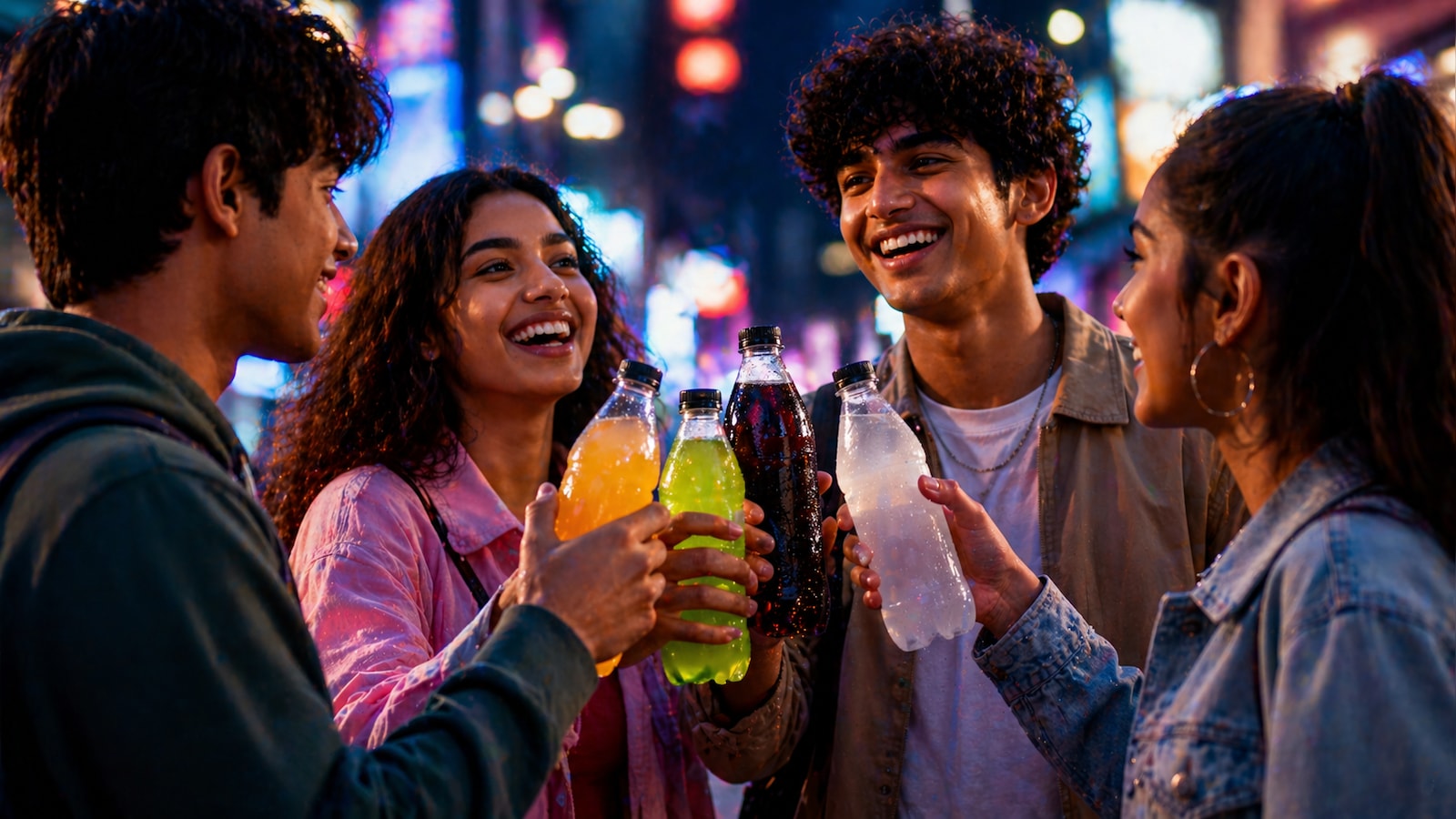
Gen Z often wants to collect memories and share special moments.
Some experiences are planned, while others happen suddenly when an opportunity appears.
A report says many Indian consumers prefer experiences to physical products.
Some people reduce eating out or shopping to pay for these activities.
Others wait until investments and important financial needs are covered before spending.
The idea is to have something exciting to look forward to without ignoring financial limits.

Gen Z is setting aside “fun funds” for experiences such as concerts, travel, workshops, cultural events and weekend getaways.
The spending is designed for spontaneous opportunities rather than specific needs, products or long-term purchases.
A BookMyShow-EY-Parthenon report says 78% of Indian consumers prefer experiences over physical products, while 44% make unplanned experiential purchases.
Research cited by CBRE says experience spending across Asia-Pacific has grown faster than physical-goods spending since the COVID-19 pandemic.
Young consumers use different strategies to fund experiences, including cutting shopping or dining expenses while protecting investments and emergency savings.
- Who
- Gen Z consumers and other experience-focused spenders, including young people interviewed from Mumbai and Tamil Nadu.
- What
- A budgeting trend called “fun funds,” in which money is reserved for experiences rather than products or routine purchases.
- Where
- The examples and consumer data focus on India, with additional research covering the Asia-Pacific region.
- When
- The trend is discussed in the period after the COVID-19 pandemic; the cited research covers spending changes since then.
- Why
- Young consumers value memories, social connection, novelty and opportunities that may not be available later.
Key facts
- Term
- “Fun funds” are discretionary savings reserved for experiences.
- Examples
- Concerts, comedy shows, scuba diving, pottery workshops, cultural events and spontaneous trips.
- Consumer preference
- 78% of Indian consumers surveyed prefer experiences over physical products, according to the BookMyShow-EY-Parthenon report cited.
- Unplanned purchases
- 44% of Indian consumers surveyed report making unplanned experiential purchases.
- Regional trend
- Experience spending across Asia-Pacific has grown faster than physical-goods spending since the COVID-19 pandemic, according to research cited by CBRE.
- Spending strategy
- Some consumers fund experiences by reducing shopping or restaurant visits.
- Financial boundary
- Shanelle Ferreira says experience spending comes after investments and other financial commitments.
Quotes
Shanelle Ferreira
A 23-year-old Mumbai entrepreneur and musician discussing experience-based spending.
“Scuba diving classes taken spontaneously on Kili Island in Indonesia were one of our biggest experiences. I don’t look at it as an expense, 'cause the memories are something I will always carry with me. The more you spend on experiences, the more motivated you are to earn more. You have something to work towards.”
 livemint.com
“I make sure the passes and registration fees don’t cross a limit; if they do, I skip it. If I feel like an experience is worth it, I make it happen and maybe cut down on going out to eat a couple of times or cut down on shopping to make up for it.”
livemint.com
Sources
Related news
Gen Z India Spends Just 5% on Travel: Study

Gen Z UPI Spending: Essentials Dominate, Discretionary Choices Revealed

Gen Z Poised to Surpass Boomers in Spending by 2029

Gen Z Revives Movie-Going Ritual as Social, Phone-Free Experience

Can a 'Menty B' Vacation Actually Save You From Burnout?

India's Healthcare Sector Growth Driven by Hospitals and Diagnostics
