Archive · 17 Jun 2025
Indian Farmers Embrace Unconventional Crops for Profit
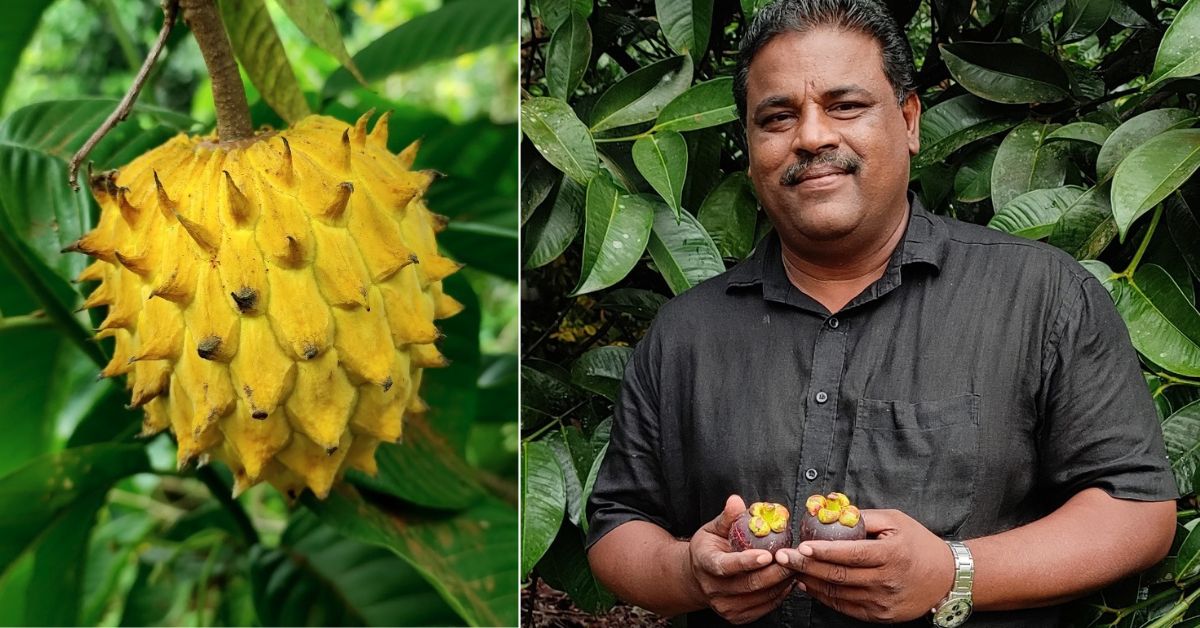
Farmers in India are trying out new ways to grow food!
Instead of sticking to the usual crops, they're planting things like apples and dragon fruit in places where they usually wouldn't grow.
They're getting help from experts who teach them special techniques.
The government is also helping by giving money to farmers who try these new crops.
This helps farmers make more money and could even help India by making it less dependent on importing food.

Indian farmers are increasingly cultivating unconventional crops in non-traditional locations.
Fruits like apples, kiwi, dragon fruit, and Thai guava are now grown in various Indian states.
Horticulturalists are guiding farmers with modern techniques to diversify crop production.
Government initiatives, such as subsidies, support the cultivation of unconventional crops.
Unconventional crops can generate higher returns and contribute to the Indian economy.
- Who
- Indian farmers and horticulturalists.
- What
- Indian farmers are increasingly cultivating unconventional crops like dragon fruit, kiwi, and apples in non-traditional regions.
- When
- The trend of unconventional crop cultivation is current.
- Where
- Various locations across India, including Rajasthan, Bihar, and Maharashtra.
- Why
- To increase profitability, diversify the agricultural sector, and potentially reduce imports.
Conventional Farming
Unconventional Crop Cultivation
Crop Selection
Conventional Farming
Reliance on traditional crops like rice and wheat.
Unconventional Crop Cultivation
Diversification with unconventional crops like dragon fruit and kiwi.
Profitability
Conventional Farming
Lower profitability and market value for traditional crops.
Unconventional Crop Cultivation
Higher potential returns and better prices for unconventional crops.
- Unconventional Crops
- Dragon fruit, kiwi, apples, Thai guava, etc.
- Key Locations
- Rajasthan, Bihar, Maharashtra, Kerala, Sikkim
- Guiding Entity
- Horticulturalists
- Government Support
- Subsidies, National Horticulture Mission Scheme
- Benefits
- Higher returns, niche markets, potential economic contribution