Archive · 3 Sep 2026
New York City Announces One-Year AI Moratorium for Students
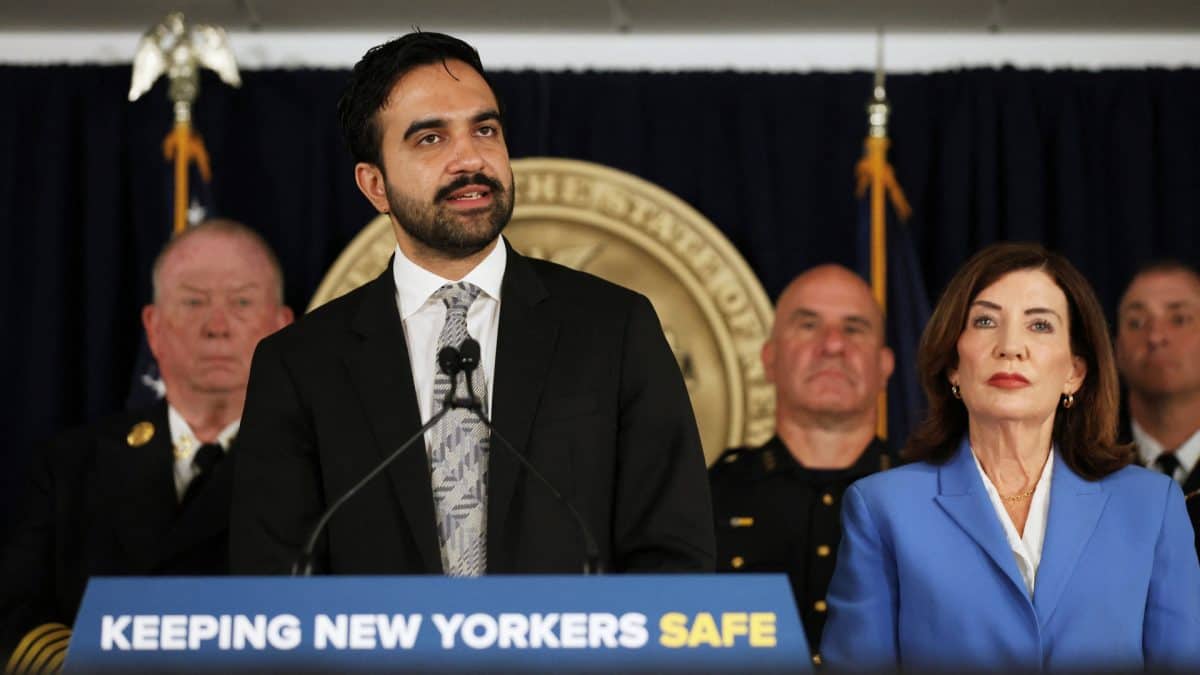
New York City plans to pause many artificial intelligence tools for students from 2-K through eighth grade.
The pause will last one year and is expected to start in the 2026–2027 school year.
About 600,000 public school students could be affected.
The city says AI features in more than 38 educational programs will be stopped or turned off.
High school students may still use AI in a few carefully limited programs.
They will also receive lessons about thinking carefully about AI.
Teachers can use AI to plan lessons and handle tasks such as scheduling.
They cannot use it to grade students or assess their work.
City officials say children need teachers, classmates and practice solving difficult problems themselves.
A coalition of educators, parents, students and others will study the policy and make recommendations.

New York City will pause generative AI use for public school students from 2-K through eighth grade for one year.
The policy is expected to affect roughly 600,000 students and disable AI features in more than 38, or about 40, educational programs.
The moratorium is scheduled to begin during the 2026–2027 school year.
High school students may use AI in limited pilot programs and will receive twice-yearly critical-thinking modules.
Teachers may use AI for lesson planning and operational tasks, but not for grading or student assessments.
- Who
- New York City Mayor Zohran Mamdani, Schools Chancellor Kamar Samuels, public school students and teachers.
- What
- New York City announced a one-year moratorium restricting generative AI use by students from 2-K through eighth grade.
- When
- The policy was announced Wednesday and is scheduled to take effect during the 2026–2027 school year.
- Where
- New York City public schools.
- Why
- City officials said the policy is intended to protect students’ critical-thinking abilities and relationships with teachers and classmates while the city studies AI’s effects.
- Policy duration
- One year
- Students affected
- Roughly 600,000 public school students from 2-K through eighth grade
- Programs affected
- More than 38 previously allowed programs, described in other reports as about 40 educational tools
- Effective period
- 2026–2027 school year
- High school provisions
- Limited AI pilot programs and twice-yearly AI critical-thinking modules
- Teacher use
- Permitted for lesson planning and operational tasks such as scheduling, but prohibited for grading and student assessments
- Oversight group
- A Technology in Schools Coalition of educators, parents, students and others will evaluate the policy