

Archive · 27 Jan 2026
Indian Army Takes Control of Low-Altitude Airspace Along Borders
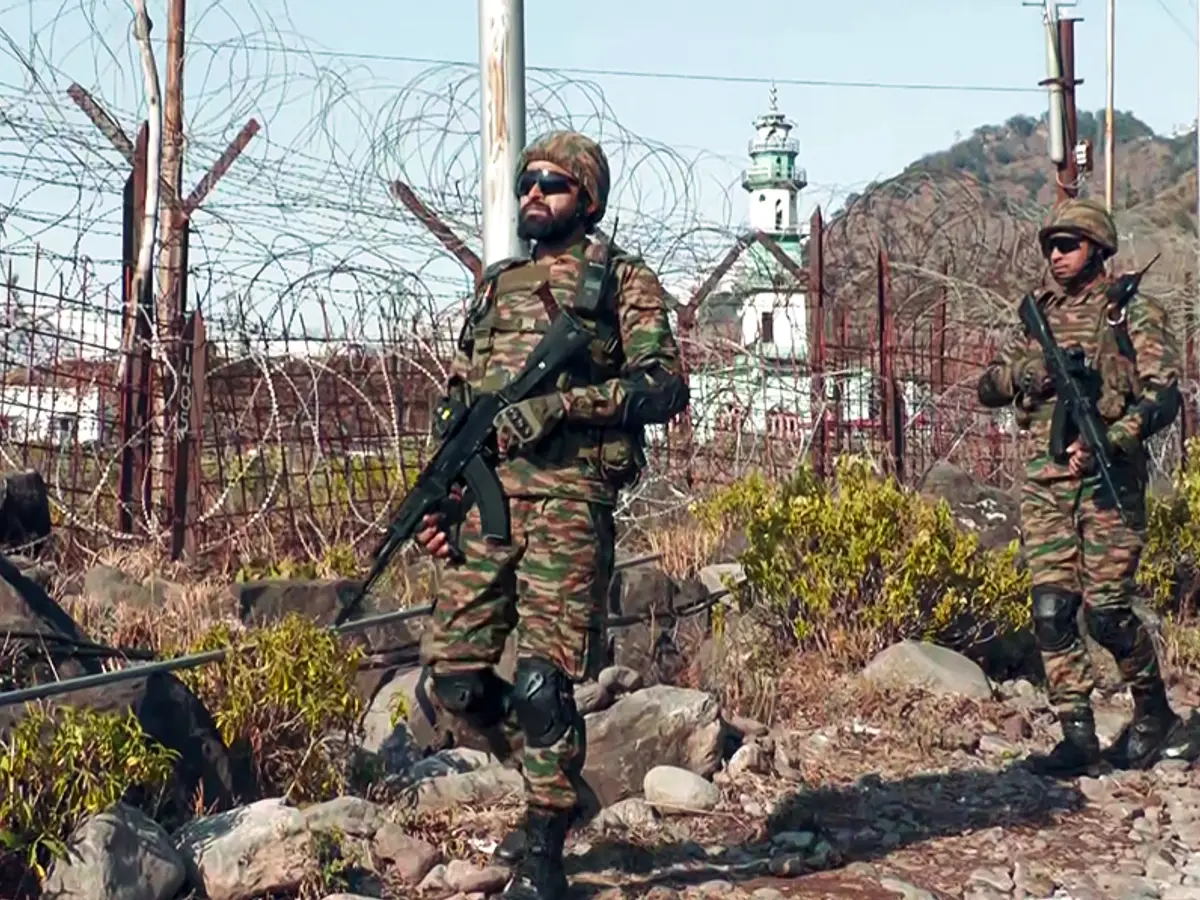
The Indian Army has taken charge of watching the airspace near the borders with China and Pakistan.
They will monitor and control drones within 35 kilometers of the border and up to 3 kilometers high.
This is to stop enemy drones from entering Indian airspace.
The Army is also setting up special centers to track and handle drone activities.
They are preparing to use many drones themselves and have increased their military presence with new brigades and rocket units.
This comes after Pakistan used armed drones from Turkey and China to target Indian positions.
China has also placed drones along the border to watch Indian activities.

Indian Army now controls surveillance of airspace within 35 km of borders and up to 3 km altitude along China and Pakistan borders.
Air command and control centers are being set up to track and neutralize cross-border drone activity.
Army aims to operate around 10,000 drones in the western theatre and 20,000 along the LAC.
Enhanced military deployments include two Rudra brigades, two rocket units, and 21 Bhairav battalions.
Pakistan has used armed drones from Turkey and China to target Indian positions, prompting increased surveillance and military preparedness.
- Who
- Indian Army, Pakistan, China
- What
- Indian Army takes control of low-altitude airspace along borders with China and Pakistan to counter drone threats
- When
- After Operation Sindoor, specific dates not mentioned
- Where
- Borders with China and Pakistan, including the Line of Actual Control (LAC)
- Why
- To counter enemy drone intrusions and enhance surveillance capabilities
- Airspace Control
- 35 km from borders, up to 3 km altitude
- Border Lengths
- 3,488 km LAC with China, unspecified with Pakistan
- Drone Capacity
- 10,000 drones in western theatre, 20,000 along LAC
- Military Deployments
- 2 Rudra brigades, 2 rocket units, 21 Bhairav battalions
- Artillery Range
- 150 to 1,000 km
- Enemy Drones
- Pakistan uses armed drones from Turkey and China