

Archive · 10 Dec 2025
Pompeii Study Challenges Roman Concrete Understanding
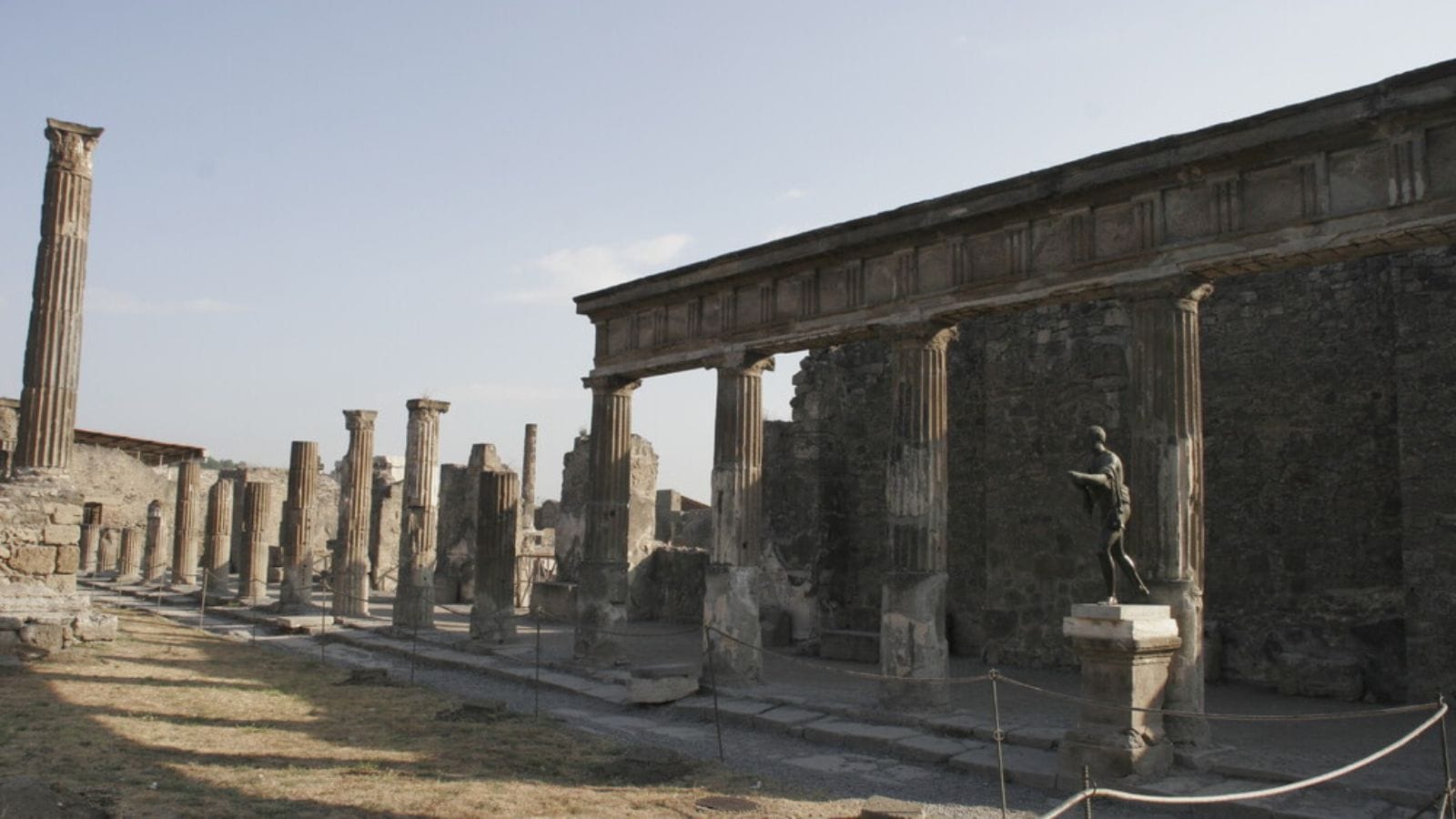
Scientists from MIT studied old buildings in Pompeii and found that Roman concrete was made in a special way.
They discovered that the Romans mixed lime with volcanic ash and other dry stuff before adding water.
This created a chemical reaction that made the concrete strong and able to fix small cracks over time.
This is different from what an ancient writer named Vitruvius wrote.
The researchers think the Romans used a more advanced method than what was described in old texts.
This discovery is important because modern engineers want to make concrete that can heal itself, just like the Roman concrete did.

MIT researchers discovered Roman concrete was made using a hot-mixing process.
The process involved mixing lime with volcanic ash and other dry components before adding water.
This method created a self-healing concrete that could repair cracks over time.
Findings contradict Vitruvius' writings, which suggested a different method.
The study was conducted at a preserved construction site in Pompeii.
- Who
- MIT researchers led by Admir Masic
- What
- Discovery of hot-mixing in Roman concrete
- When
- Study published in 2023
- Where
- Pompeii construction site
- Why
- To understand Roman concrete's durability and self-healing properties
- Research Team
- MIT, led by Admir Masic
- Publication
- Science Advances (2023)
- Key Finding
- Hot-mixing process in Roman concrete
- Contradicted Source
- Vitruvius' De Architectura
- Site of Study
- Pompeii construction site
- Modern Application
- Self-healing concrete research