

Archive · 2 Feb 2026
Europe's Apples Found with Hazardous Pesticide Residues
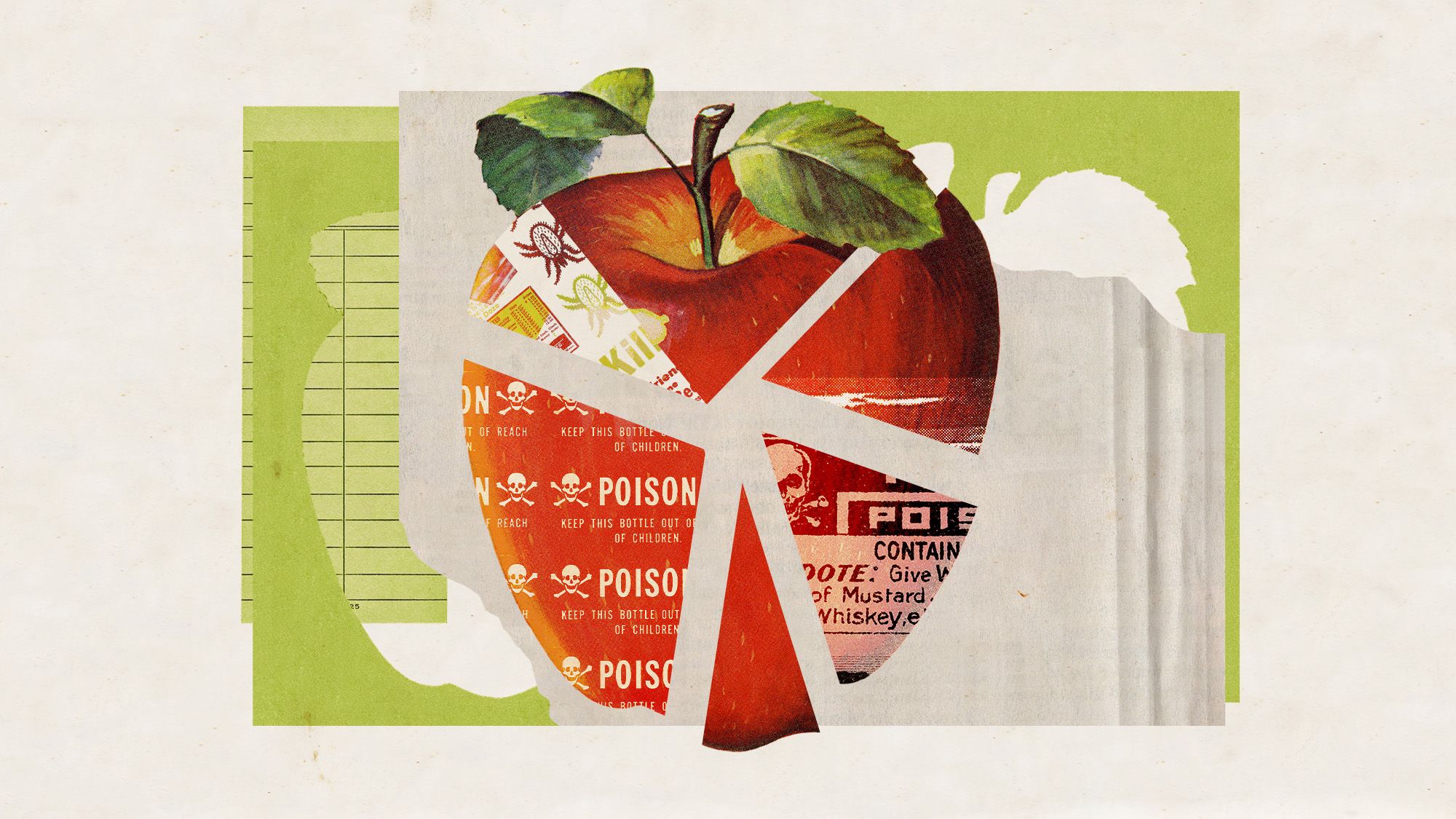
A group called Pesticide Action Network (Pan) Europe checked apples from 13 countries in Europe.
They found that most apples had traces of multiple pesticides, which can be harmful.
These pesticides are called 'cocktails' because they are a mix of different chemicals.
Some of these chemicals are very dangerous and can hurt our bodies.
The group says that the rules in Europe are not good enough to protect people from these harmful chemicals.
They want the rules to be stronger, especially to protect children.
The group also found that the amount of these chemicals in apples has been going up over the years.
They are asking Europe to do something about it quickly.

85% of apples in 13 European countries contained residues from multiple pesticides, known as 'pesticide cocktails'.
71% of apples had at least one residue of pesticides classed as 'among the most hazardous in the EU'.
64% of apple samples contained PFAS pesticides, also known as 'forever chemicals', and nearly 40% had Fludioxonil, which is toxic to human livers and kidneys.
93% of the apples would be banned if sold as processed baby food due to exceeding stricter pesticide limits for children under three.
Between 2012 and 2022, the average pesticide residue levels in the top 10 fruits consumed by children rose by 17%.
- Who
- Pesticide Action Network (Pan) Europe, a coalition of NGOs
- What
- Conducted a study on pesticide residues in apples across 13 European countries
- When
- Study conducted in September 2023, data from 2012-2022
- Where
- 13 European countries
- Why
- To raise awareness about the health risks of pesticide residues in apples, especially for children
- Study Conducted By
- Pesticide Action Network (Pan) Europe
- Countries Analyzed
- 13 European countries
- Apples with Pesticide Residues
- 85%
- Apples with Hazardous Pesticides
- 71%
- PFAS Pesticides Found
- 64% of samples
- Fludioxonil Found
- Nearly 40% of samples
- Apples Banned as Baby Food
- 93%
- Increase in Pesticide Residues (2012-2022)
- 17%