

Archive · 25 May 2025
Manual Control System in Focus for Safer Spacecraft Re-entry
Astronauts and scientists are working on a backup system to help astronauts control spacecraft during re-entry to Earth's atmosphere.
Re-entry is tricky because the spacecraft can overheat or skip off the atmosphere if not done correctly.
The new system would allow astronauts to manually steer the spacecraft if the automatic controls fail.
This system uses a special way of controlling the spacecraft called bank-angle manipulation, which is like what the automated systems use, but adjusted for humans.
It gives pilots important information so they can land safely.
This is meant to be a backup, like having a spare parachute, making the mission safer.

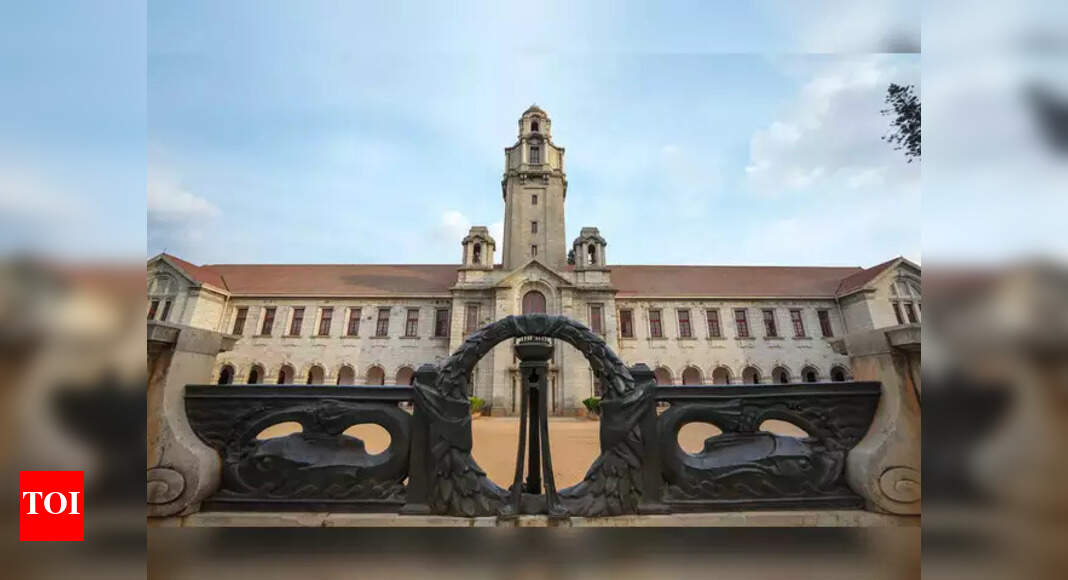
Isro astronaut Angad Pratap and IISc professor Jishnu Keshavan are researching a manual control system.
The research focuses on the re-entry phase of a manned spacecraft.
The system is designed as a backup to the primary automatic control system.
The manual control system uses bank-angle manipulation for human operation.
The system provides a pilot with essential information through an intuitive interface.
- Who
- Isro astronaut Angad Pratap and IISc Assistant Professor Jishnu Keshavan.
- What
- Researching a manual control system for spacecraft re-entry as a safety measure.
- When
- Research is in the final phases.
- Where
- Earth
- Why
- To provide a backup control system during spacecraft re-entry, enhancing safety.
- Researchers
- Angad Pratap (Isro Astronaut) and Jishnu Keshavan (IISc)
- Focus
- Manual control system for spacecraft re-entry
- Altitude
- Atmospheric re-entry phase (120km-10km)
- Operational Precedents
- Apollo missions
- Purpose
- Additional safety measure during re-entry