

Archive · 28 Jan 2026
Flight cancellations spark outrage, train delays ignored
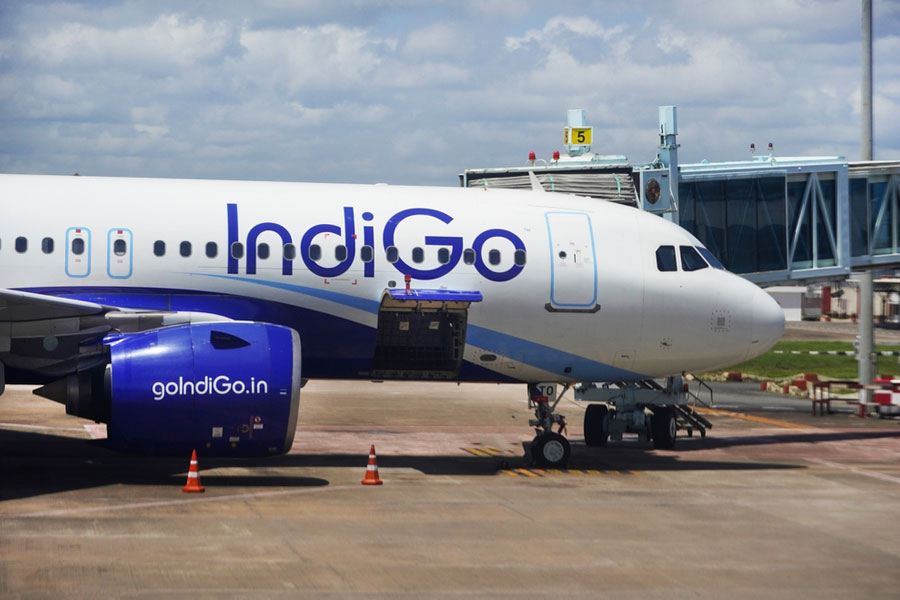
When flights get cancelled, there's a lot of anger and news coverage.
But when trains are delayed, which happens a lot more often, people don't seem to care as much.
This is because the media and society pay more attention to the middle class and privileged passengers who fly, rather than the many more people who take trains every day.
Trains are a lifeline for many, especially those with lower incomes, but their struggles often go unnoticed.
The media needs to do a better job of covering these issues fairly and equally.

Flight cancellations cause significant outrage and media attention, while train delays, which affect far more people, are largely ignored.
Over 23 million people take trains daily, compared to 450,000 air passengers, with 20% of long-distance trains experiencing delays.
The media and society tend to focus on the inconveniences of the middle class and privileged passengers who fly, overlooking the struggles of train passengers.
Train delays have severe impacts on lower-income groups, including daily wage workers and those with unstable jobs, but these issues receive minimal coverage.
The media's bias towards air travel highlights a class divide, where the privileged receive more attention and compensation for delays, while train passengers accept delays as their fate.
- Who
- Passengers, media, and sociologists
- What
- Outrage over flight cancellations compared to indifference towards train delays
- When
- Ongoing issue with recent focus on IndiGo flight cancellations
- Where
- India, particularly focusing on train and air travel
- Why
- Media and societal bias towards the middle class and privileged passengers
- Daily Train Passengers
- 23 million
- Daily Air Passengers
- 450,000
- Percentage of Long-Distance Trains Delayed
- 20%
- Daily Flight Cancellations
- Over 23,000
- Percentage of Intercity Travel by Bus and Train
- 78%
- Average Monthly Income of Lower-Income Groups
- Rs 12,750
- Percentage of Female Employees with Unstable Jobs
- 78%
- Percentage of Hygienic Menstrual Uptake in Bihar
- 59%