Archive · 27 Jan 2026
Moon Dust Contains Earth's Atmospheric Elements
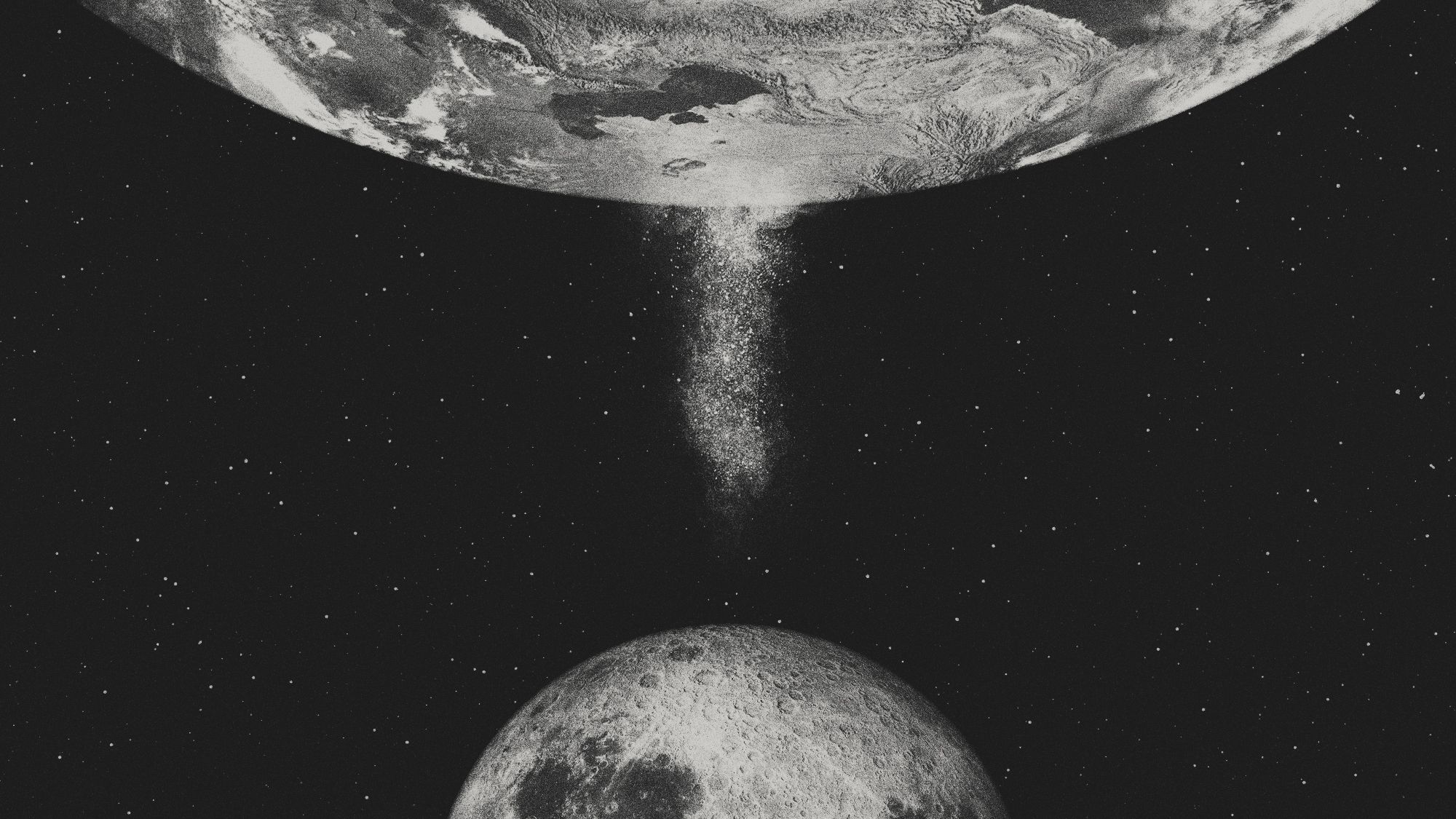
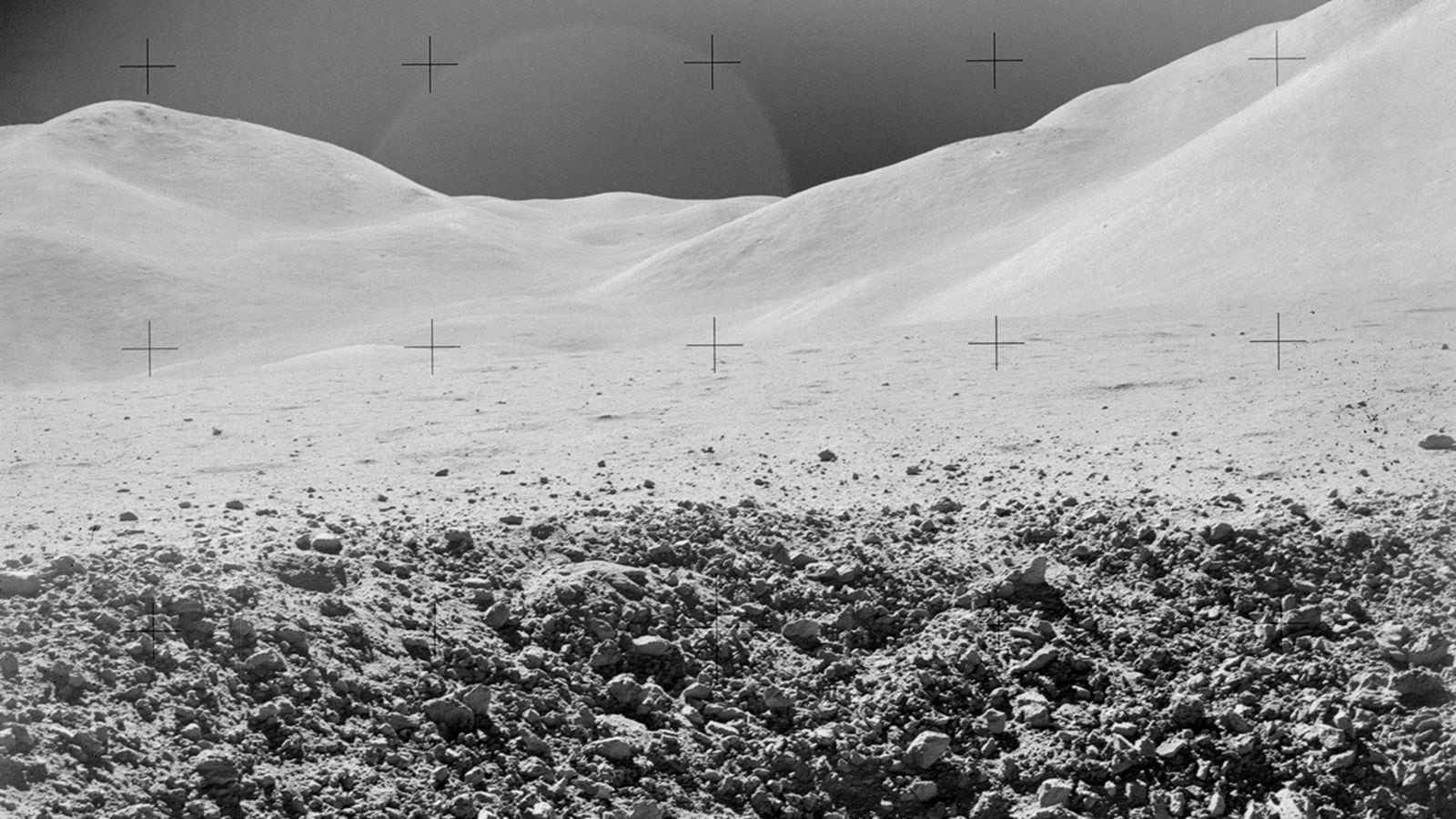
Scientists have found that moon dust contains elements from Earth's atmosphere.
These elements, like water and nitrogen, are carried to the moon by Earth's magnetic field.
This has been happening for over 3.7 billion years.
The elements could be useful for future lunar bases, but they are in small amounts and can be difficult to handle.
The dust can also be dangerous to astronauts' health.
This discovery helps us understand how planets lose their atmosphere and could be important for exploring other planets like Mars.

Moon dust contains elements from Earth's atmosphere, including water, carbon dioxide, helium, argon, and nitrogen.
Earth's magnetic field guides these atmospheric particles to the moon, a process that has been occurring for over 3.7 billion years.
These elements could be used for life support and fuel production in future lunar bases.
However, the concentrations of these elements are trace, and the dust is difficult to handle and can be hazardous to astronauts' health.
The study suggests that this process could provide insights into atmospheric escape on other planets like Mars.
- Who
- Scientists, including Shubhonkar Paramanick
- What
- Discovery of Earth's atmospheric elements in moon dust
- When
- Particle transfer has been happening for over 3.7 billion years
- Where
- Moon dust (regolith)
- Why
- Earth's magnetic field guides atmospheric particles to the moon
- Elements Found in Moon Dust
- Water, carbon dioxide, helium, argon, nitrogen
- Source of Elements
- Earth's atmosphere and solar wind
- Duration of Particle Transfer
- Over 3.7 billion years
- Potential Uses
- Life support, fuel production, water, oxygen
- Challenges with Moon Dust
- Trace concentrations, difficult to handle, health risks
- Study Journal
- Communications Earth & Environment
- Lead Author
- Shubhonkar Paramanick