Archive · 25 Sep 2026
Tata Sons Board and Trusts Clash Over Chandrasekaran’s Future
Tata Sons is the company that owns stakes in many Tata Group businesses.
Its board voted to keep N. Chandrasekaran as chairman for five more years.
Noel Tata disagreed, but another Tata Trusts nominee, Venu Srinivasan, supported the decision.
Tata Trusts owns 66% of Tata Sons, so shareholders must still vote on the reappointment.
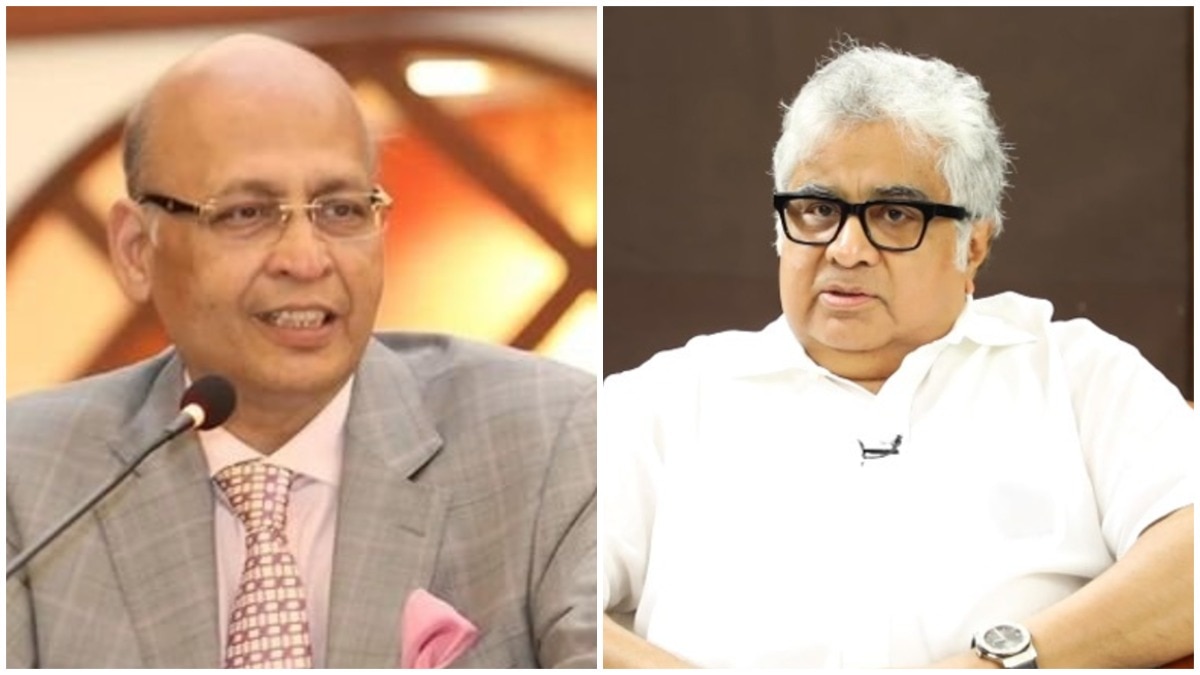
Abhishek Manu Singhvi says the decision may be invalid without enough support from Tata Trusts’ nominated directors.
Harish Salve says directors must act for Tata Sons and that a disagreement between nominees should not stop the company from functioning.
The lawyers also disagree about whether Tata Sons’ possible listing is related to the leadership dispute.
The disagreement could influence how Indian companies balance board independence with the wishes of major shareholders.

The Tata Sons board approved N. Chandrasekaran’s five-year reappointment in a 4-1 vote on September 17.
Noel Tata opposed the decision, while fellow Trust-nominated director Venu Srinivasan voted in favor.
Tata Trusts owns 66% of Tata Sons, but the reappointment still requires approval at a shareholder meeting.
Abhisek Manu Singhvi says Article 121 requires majority support from Trust-nominated directors; Harish Salve argues an internal split cannot paralyze the company.
The dispute also involves Tata Sons’ proposed listing, regulatory oversight, and broader questions about shareholder rights and board independence.
- Who
- Tata Sons, Tata Trusts, N. Chandrasekaran, Noel Tata, Venu Srinivasan, Abhishek Manu Singhvi, and Harish Salve are central to the dispute.
- What
- The Tata Sons board approved Chandrasekaran’s reappointment, but Tata Trusts’ representatives and their lawyers disagree over whether the decision is valid and how it should proceed.
- When
- The board approved the reappointment on September 17; Chandrasekaran’s current term ends on February 20.
- Where
- The dispute concerns Tata Sons and Tata Trusts in India.
- Why
- The conflict involves Chandrasekaran’s succession, the authority of Tata Trusts as a 66% shareholder, the role of nominee directors, and Tata Sons’ proposed listing.
Tata Trusts and Shareholder Authority
Tata Sons Board and Director Independence
Validity of the reappointment
Tata Trusts and Shareholder Authority
Abhishek Manu Singhvi says the reappointment is legally invalid without majority support from the Tata Trust-nominated directors under Article 121. He argues that the rights of Tata Trusts as a 66% shareholder cannot be nullified.
Tata Sons Board and Director Independence
Harish Salve argues that Article 121’s casting-vote provisions prevent an internal disagreement among nominees from paralyzing Tata Sons and that the board must continue to function.
Duties of nominee directors
Tata Trusts and Shareholder Authority
Tata Trusts’ position emphasizes that directors nominated by the controlling shareholder should not disregard the shareholder’s fundamental rights and interests.
Tata Sons Board and Director Independence
Salve says nominee directors owe fiduciary obligations directly to Tata Sons rather than acting as proxy delegates for the Trusts.
Tata Sons listing
Tata Trusts and Shareholder Authority
Singhvi calls the listing issue a distraction from the central dispute over the chairman’s appointment and stresses the group’s philanthropic structure.
Tata Sons Board and Director Independence
Salve presents regulatory compliance and a possible listing as necessary elements of accountability for a company of Tata Sons’ size and economic importance.
- Board vote
- The reappointment was approved 4-1; Noel Tata voted against it and Venu Srinivasan voted in favor.
- Tata Trusts ownership
- Tata Trusts holds 66% of Tata Sons.
- Required approval
- Chandrasekaran’s reappointment must be approved at an annual general meeting or extraordinary general meeting.
- Trust representation
- Noel Tata and Venu Srinivasan are the two Tata Trust-nominated directors on the Tata Sons board.
- Singhvi’s position
- Abhishek Manu Singhvi argues that Article 121 requires affirmative support from a majority of Trust-nominated directors.
- Salve’s position
- Harish Salve argues that nominee directors owe fiduciary duties to Tata Sons and that an internal split cannot create a company deadlock.
- Listing issue
- The Reserve Bank of India rejected Tata Sons’ application for exemption from the core investment company category and asked it to get listed.