

Archive · 16 Jun 2025
Managing Prediabetes: What to Do and How to Take Action
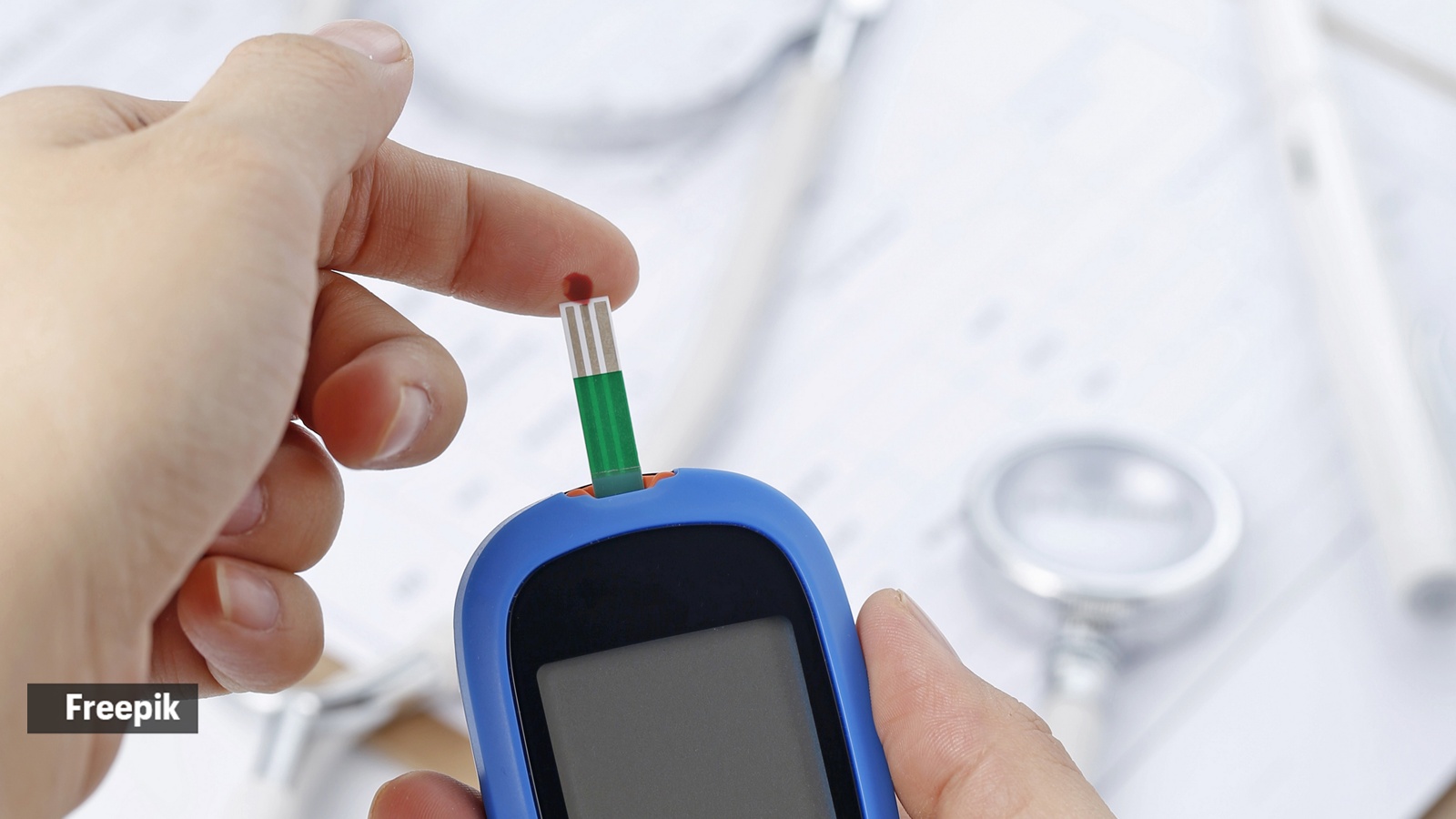
If your blood sugar is a bit high but not yet diabetes, you have prediabetes.
This means your body isn't using sugar as well as it should.
It's a warning sign, but you can fix it.
Eat healthy foods like veggies and whole grains, and avoid sugary drinks.
Exercise regularly, aim for 30 minutes a day most days.
Try to lose weight if you need to, and get good sleep.
Manage stress and don't sit for too long, take breaks!
This way, you can avoid getting diabetes.

Prediabetes is indicated by a fasting blood sugar level between 100 and 125 mg/dL.
Lifestyle changes, like a balanced diet, can manage or reverse prediabetes.
A nutrient-rich diet includes vegetables, whole grains, lean proteins, and healthy fats.
Regular exercise, aiming for 150 minutes of moderate-intensity activity weekly, is recommended.
Managing weight, improving sleep, reducing stress, and limiting sedentary time are also important.
- Who
- Individuals diagnosed with prediabetes.
- What
- Information on managing prediabetes and the lifestyle changes that can reverse it.
- When
- Information is current, with no specific date mentioned in the provided text.
- Where
- The article does not specify a location.
- Why
- To provide guidance and encourage proactive management of prediabetes to prevent progression to type 2 diabetes.
General Recommendations
Same
Health Improvement
General Recommendations
Follow these instructions for improving health.
Same
Same view
- Prediabetes Definition
- Fasting blood sugar between 100 and 125 mg/dL
- Exercise Recommendation
- 150 minutes of moderate-intensity exercise per week
- Weight Loss Impact
- Losing 5-10% of body weight can improve insulin sensitivity
- Sleep Recommendation
- 7 to 8 hours per night