

Archive · 29 Sep 2026
Supreme Court Orders Delhi Police to Map Vulnerable Areas
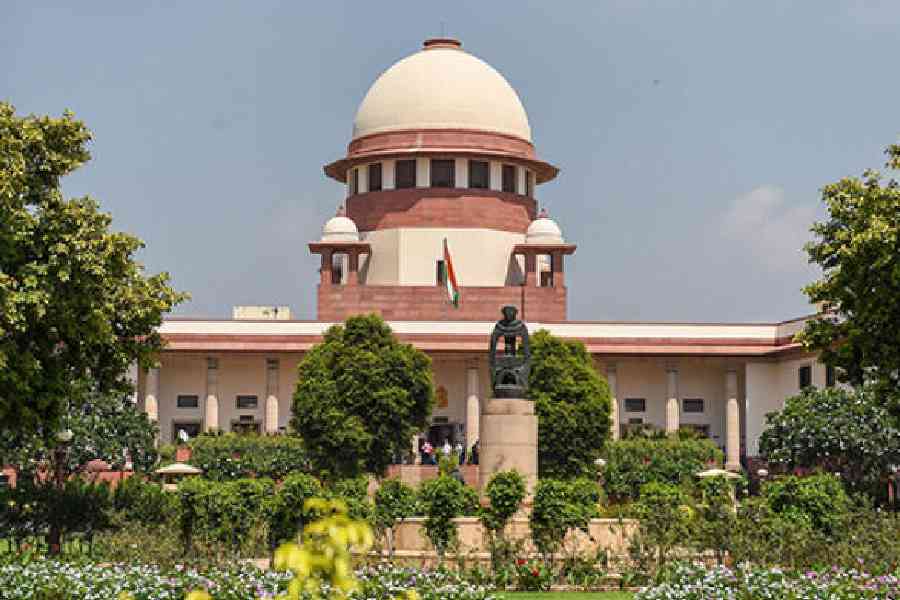
The Supreme Court wants Delhi to find places where women and children may be unsafe.
It ordered the police to create a special team for every police district.
These teams must study crime records, complaints and local information.
They will look for dark areas, missing cameras, weak police patrols and abandoned buildings.
The teams must make maps showing dangerous or vulnerable places.
Nearby police stations must share these maps and information about repeated crimes.
Police must increase patrols in parks and other risky places, especially when people may be more vulnerable.
The court also asked whether emergency helplines, cameras and safety projects are working.
It said authorities must be held responsible for making public places safer.

The Supreme Court ordered district-level Delhi Police teams to identify areas where women and children face heightened crime risks.
Each team must be led by an officer of at least deputy superintendent of police rank and begin its survey within four weeks.
Teams will use crime data, intelligence, complaints and past incidents to map gaps in lighting, surveillance and patrols.
Police must prepare vulnerability maps, share them across adjoining stations and increase security in identified parks and other vulnerable areas.
The court also sought reports on helplines, CCTV coverage, the Safe City Project and use of the National Database on Sexual Offenders.
- Who
- The Supreme Court, the Delhi Police Commissioner, Delhi Police district teams and other Delhi government officials.
- What
- The court ordered surveys, vulnerability maps, increased patrols and reports on public-safety systems.
- When
- The directions were issued on Monday; district teams must be formed and begin work within four weeks, with the matter listed for review on October 5.
- Where
- Delhi and Delhi-NCR, including parks, isolated stretches, roads, transport hubs, markets and areas near educational institutions.
- Why
- The court acted after reports of alleged sexual offences and concerns that authorities had not adequately addressed recurring risks in public spaces.
- Court bench
- Justice J.B. Pardiwala and Justice K. Vinod Chandran
- Team deadline
- District-level teams must be constituted and begin the survey within four weeks
- Team leadership
- Each team must be headed by an officer of at least deputy superintendent of police rank
- Survey evidence
- National Crime Records Bureau data, local intelligence, current and past complaints, and previous-incident records
- Systems under review
- The 112 emergency number, 181 women’s helpline, Safe City Project and CCTV coverage
- Database review
- The court asked how often the National Database on Sexual Offenders was used in investigations during the past five years
- Incidents cited
- Alleged assaults involving teenage girls in Aastha Kunj Park, Swaroop Nagar and a sleeper bus traveling from Greater Noida to Delhi
