

Archive · 4 Sep 2026
ISRO Launches EOS-05 for Frequent Imaging of India
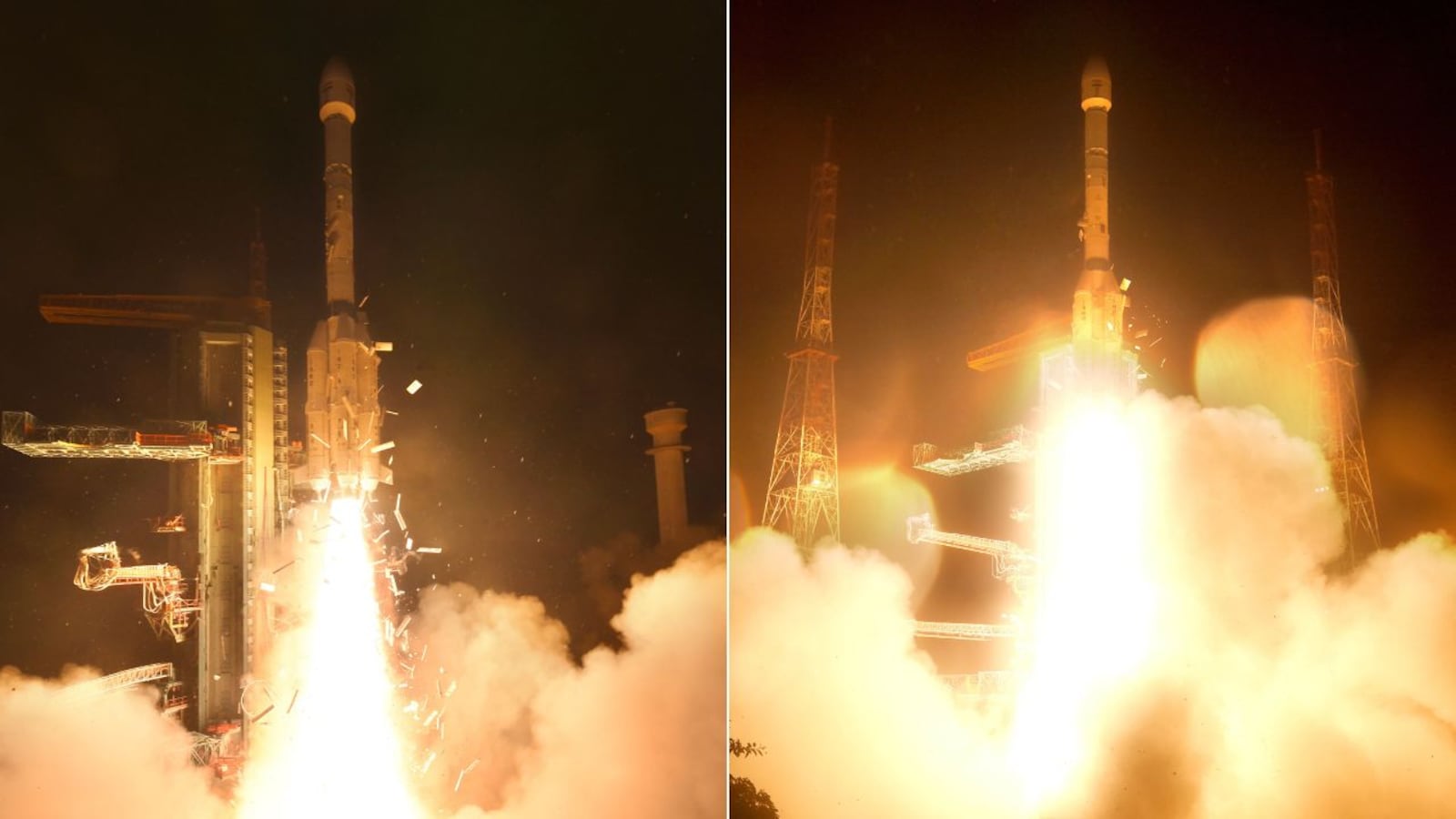
ISRO launched a satellite called EOS-05 into space from Sriharikota on September 4, 2026.
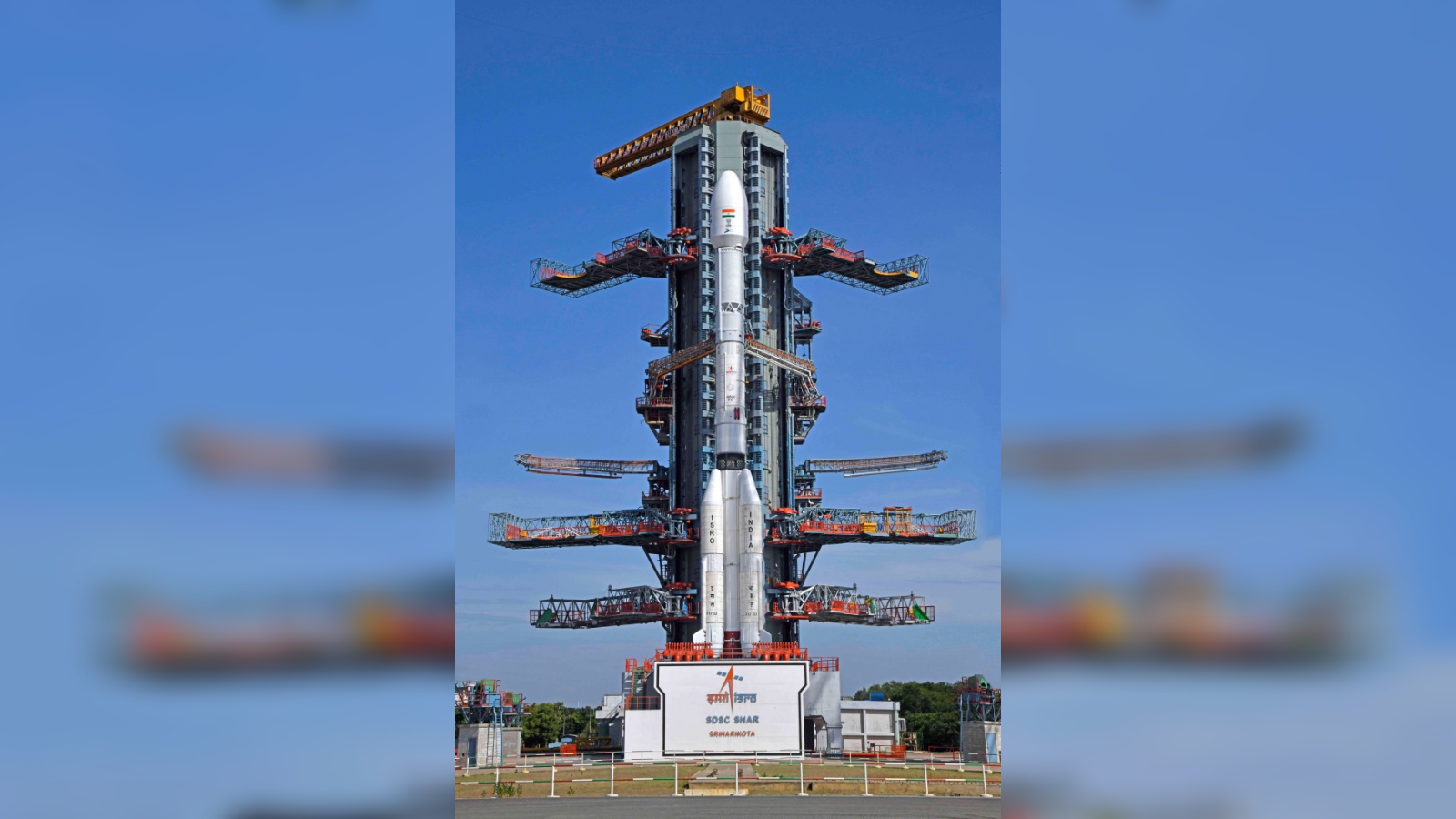
A GSLV-F17 rocket carried the satellite during the early-morning launch.
EOS-05 is designed to work in a very high orbit about 36,000 kilometers above Earth.
From there, it can keep watching the same broad region as Earth turns.
The satellite is expected to take new pictures of India about every 30 minutes.
These pictures could help people track cyclones, floods, cloudbursts and forest fires.
They could also help with farming, forests, weather and natural resources.
The launch placed EOS-05 in a transfer orbit, but the satellite still needs to raise itself to its final orbit.

ISRO launched the 2,367-kilogram EOS-05 aboard GSLV-F17 from Sriharikota at 2:55 a.m. on September 4, 2026.
EOS-05 is India’s first dedicated imaging satellite designed to operate from geosynchronous orbit.
The rocket deployed the satellite into a sub-geosynchronous transfer orbit about 18 minutes after liftoff.
EOS-05 must use its own propulsion system to raise its orbit to roughly 36,000 kilometers above Earth.
The satellite is expected to provide frequent imagery for disaster management, agriculture, weather, environmental monitoring and strategic applications.
- Who
- The Indian Space Research Organisation launched EOS-05 using the GSLV-F17 rocket.
- What
- EOS-05, a 2,367-kilogram Earth-observation satellite, was deployed into a sub-geosynchronous transfer orbit.
- When
- The launch took place at 2:55 a.m. on September 4, 2026, after a countdown of about 27 to 27.5 hours.
- Where
- The launch occurred from the Second Launch Pad at the Satish Dhawan Space Centre in Sriharikota, India.
- Why
- EOS-05 is intended to provide frequent imagery for disaster response, agriculture, weather monitoring, environmental assessment, resource management and strategic surveillance.
- Satellite
- EOS-05, also referred to as GISAT-1A
- Launch vehicle
- GSLV-F17, the 19th flight of India’s Geosynchronous Satellite Launch Vehicle
- Satellite mass
- Approximately 2,367 kilograms
- Initial orbit
- A sub-geosynchronous transfer orbit; reports describe the orbit as ranging from about 170 kilometers to 28,934 kilometers, or as more than 190 kilometers at its lower altitude
- Planned operational orbit
- Geosynchronous orbit at approximately 36,000 kilometers above Earth
- Expected imaging frequency
- Imagery of India at intervals of about 30 minutes
- Mission status
- The satellite was successfully deployed, its solar panel was opened and its systems were reported as normal; orbit-raising manoeuvres remained necessary
- Earlier related mission
- GSLV-F10 carrying EOS-03 failed in August 2021 after a cryogenic upper-stage problem
Sources

'Eye in the sky': ISRO launches India's first geo-orbit imaging satellite
EOS-05: All You Need To Know About ISRO's New Earth Observation Satellite
India’s first imaging satellite in geosynchronous orbit lifts off successfully

ISRO’s EOS-05 EXPLAINED: What India’s first geosynchronous imaging satellite can do
EOS-05 launch: Isro’s new satellite aims to watch India from space every 30 minutes
