

Archive · 11 Dec 2025
Researchers Uncover Biology of Mental Fatigue
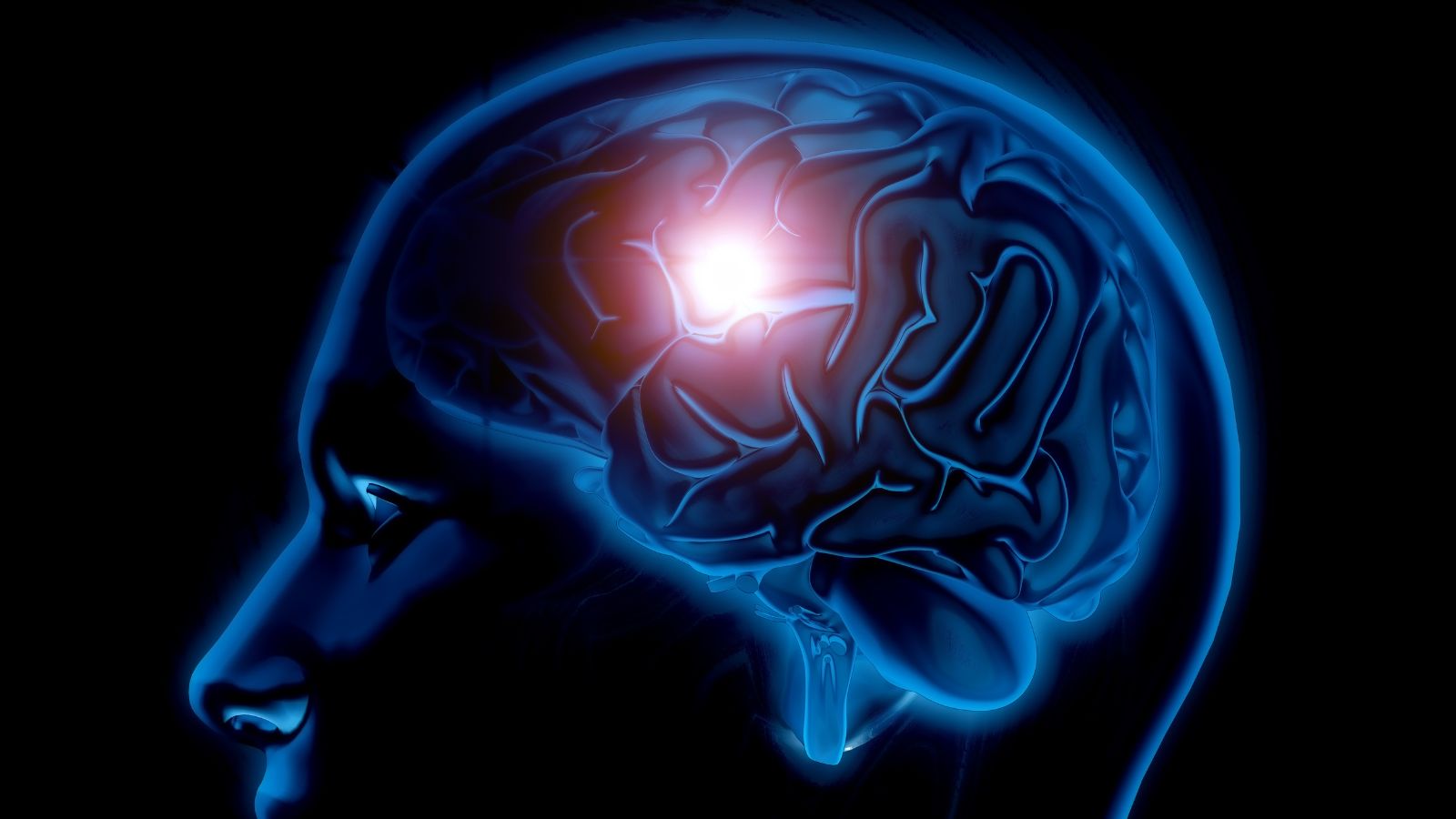
Researchers have been trying to understand why our brains get tired when we think too much.
They found that when we concentrate or make decisions, our brains use a lot of energy.
This can make us feel exhausted.
The study looked at different chemicals in the brain, like glucose and adenosine, to see how they affect our mental energy.
They also found that sleep is very important for the brain to recover.
Some people feel this tiredness more, especially those with conditions like long COVID or chronic fatigue syndrome.
The researchers hope this will help us understand and maybe even treat mental fatigue better in the future.

Cognitive fatigue is the mental exhaustion from sustained concentration or decision-making, reducing focus and increasing errors.
Researchers are studying metabolic causes like glucose, lactate, glutamate, and neuromodulators such as adenosine and BDNF.
The brain's cost-benefit analysis shifts with fatigue, favoring low-effort, quick-reward options.
Chronic fatigue is linked to conditions like long COVID, chronic fatigue syndrome, and depression.
Sleep is crucial for the brain to recover from cognitive fatigue, as it helps reset the brain's metabolic state.
- Who
- Researchers from the Paris Brain Institute led by Mathias Pessiglione
- What
- The study explores the biological causes and effects of cognitive fatigue
- When
- The research was published in the journal Nature
- Where
- The study was conducted at the Paris Brain Institute
- Why
- To understand the metabolic and biological mechanisms behind mental exhaustion
- Research Institute
- Paris Brain Institute
- Lead Researcher
- Mathias Pessiglione
- Journal
- Nature
- Key Metabolites
- Glucose, Lactate, Glutamate, Adenosine, BDNF
- Associated Conditions
- Long COVID, Chronic Fatigue Syndrome, Multiple Sclerosis, Depression, Parkinson’s Disease, PTSD