Archive · 29 Jul 2025
Pahalgam Attack Spurs Call for Reset in India's Counter-Terror Strategy
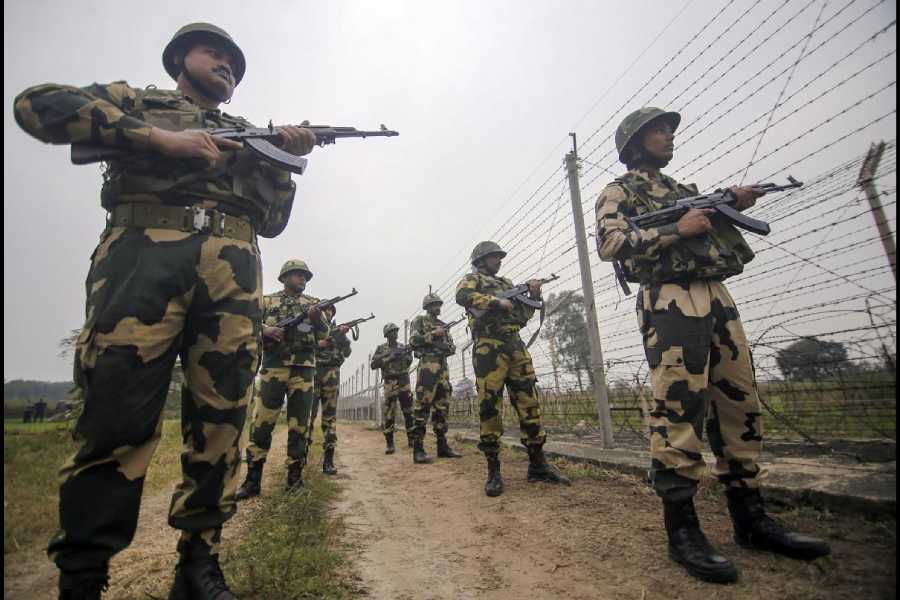
After a recent attack, the article explains that India needs to change how it fights terrorism.
It talks about how the country's spies might have missed things or the security forces might have become too relaxed.
The article suggests that the use of technology and the way security forces operate need to be adjusted.
The goal is to better protect the people and stop attacks from happening.
It is also noted that Pakistan is still involved and supporting these attacks.

The article discusses the need for a reset in India's counter-terrorism strategy following the Pahalgam terror attack.
It highlights potential intelligence failures and complacency within security forces.
The article suggests transforming tech-intelligence to empower local units.
It emphasizes the importance of robust area domination and structural resets in security forces.
The article points to Pakistan's continued support for the Kashmir cause as a key factor.
- Who
- India and Pakistan; with focus on Indian security forces, intelligence agencies, and local units.
- What
- The need for a strategic reset in India's counter-terrorism approach after the Pahalgam terror attack.
- When
- Following the Pahalgam terror attack.
- Where
- Jammu and Kashmir, specifically Pahalgam.
- Why
- Due to the Pahalgam attack and the perceived lapses in security and intelligence.
Intelligence Agencies & Security Forces
Pakistan
Intelligence Priorities
Intelligence Agencies & Security Forces
Emphasis on tech-intelligence.
Pakistan
Reliance on human intelligence.
Operational Approach
Intelligence Agencies & Security Forces
Maintaining status quo.
Pakistan
Need for structural reset and area domination.
- Location of Attack
- Pahalgam, Jammu and Kashmir
- Primary Issue
- Intelligence Failure
- Key Actors
- India, Pakistan
- Focus
- Counter-terrorism strategy