Archive · 8 Jan 2026
Copper Prices Surge Amid Supply Fears
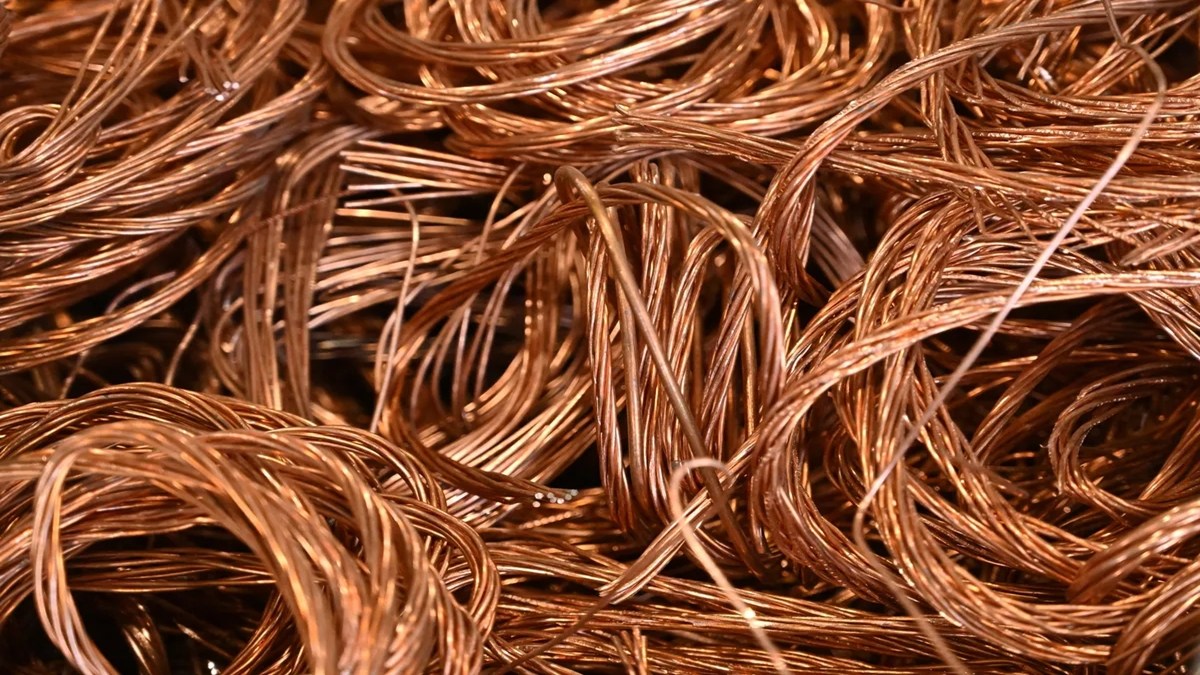
Copper prices have reached a new record high, with three-month copper futures on the London Metal Exchange (LME) surpassing $13,000 per tonne.
This significant increase, with a 40% return over one year and an 11% jump in the last 30 days, is driven by several factors.
Traders are worried about potential new tariffs from the U.S. government, which could disrupt supply chains and limit the availability of copper in major trading hubs.
Additionally, global supply disruptions, including labor disputes, environmental regulations, and operational challenges at major mining sites, are expected to decrease production by 525,000-800,000 metric tonnes in 2025.
Strong global demand, particularly from data center expansion, renewable energy projects, power infrastructure upgrades, and the rapid growth of AI and defence infrastructure, is also supporting higher prices.
The anticipation of tariffs has already created significant price differentials in copper exchanges.
In recent years, there have been more restrictions on the trade of metals, with a 50% U.S. tax on imports of semi-finished copper products going into effect in August 2025.
Phased taxes on imports of refined copper are also expected in 2027 and 2028.
An accident at one of the world's largest mines in September and the faster-than-expected uptake of AI infrastructure could further push up copper prices.
Looking ahead, the world could face a major copper shortage as demand is projected to rise to around 42 million tonnes by 2040, up from 28 million tonnes in 2025.
Without a sharp increase in mining and recycling, global supplies are expected to fall short by more than 10 million tonnes a year, leaving nearly a quarter of total demand unmet.

Copper prices hit an all-time high, with three-month futures exceeding $13,000 per tonne on the LME.
The price surge is driven by fears of new U.S. tariffs on refined metals, which could disrupt global supply chains.
Global supply disruptions, including labor disputes and environmental regulations, are expected to decrease copper production by 525,000-800,000 metric tonnes in 2025.
Strong global demand from data centers, renewable energy projects, power infrastructure upgrades, and the rapid expansion of AI and defence infrastructure is supporting higher copper prices.
The U.S. has imposed a 50% tax on imports of semi-finished copper products, with potential phased taxes on refined copper in 2027 and 2028.
- Who
- Traders, mining companies, global markets, and governments
- What
- Copper prices reaching an all-time high and potential future shortages
- When
- Recent months, with significant jumps in 2025 and projections for 2040
- Where
- Global markets, particularly the London Metal Exchange (LME) and COMEX, and major copper-producing countries like Chile, Peru, and China
- Why
- Supply disruptions, tariff fears, strong global demand, and the rapid expansion of AI, data centers, and defence infrastructure
- Current Copper Price
- $13,000 per tonne on LME
- One-Year Copper Return
- 40%
- Thirty-Day Copper Jump
- 11%
- Ten-Year Copper CAGR
- 11%
- Spot Market Price
- Just under $6 per pound
- Supply Disruption Impact
- 525,000-800,000 metric tonnes decrease in 2025
- U.S. Tariffs on Copper
- 50% tax on semi-finished copper products in August 2025
- Potential Future Tariffs
- Phased taxes on refined copper in 2027 and 2028
- Projected Copper Demand by 2040
- 42 million tonnes
- Current Copper Demand
- 28 million tonnes in 2025
- Projected Supply Shortfall by 2040
- More than 10 million tonnes annually