

Archive · 10 Oct 2026
International Stage Management Day Highlights Behind-the-Scenes Coordination
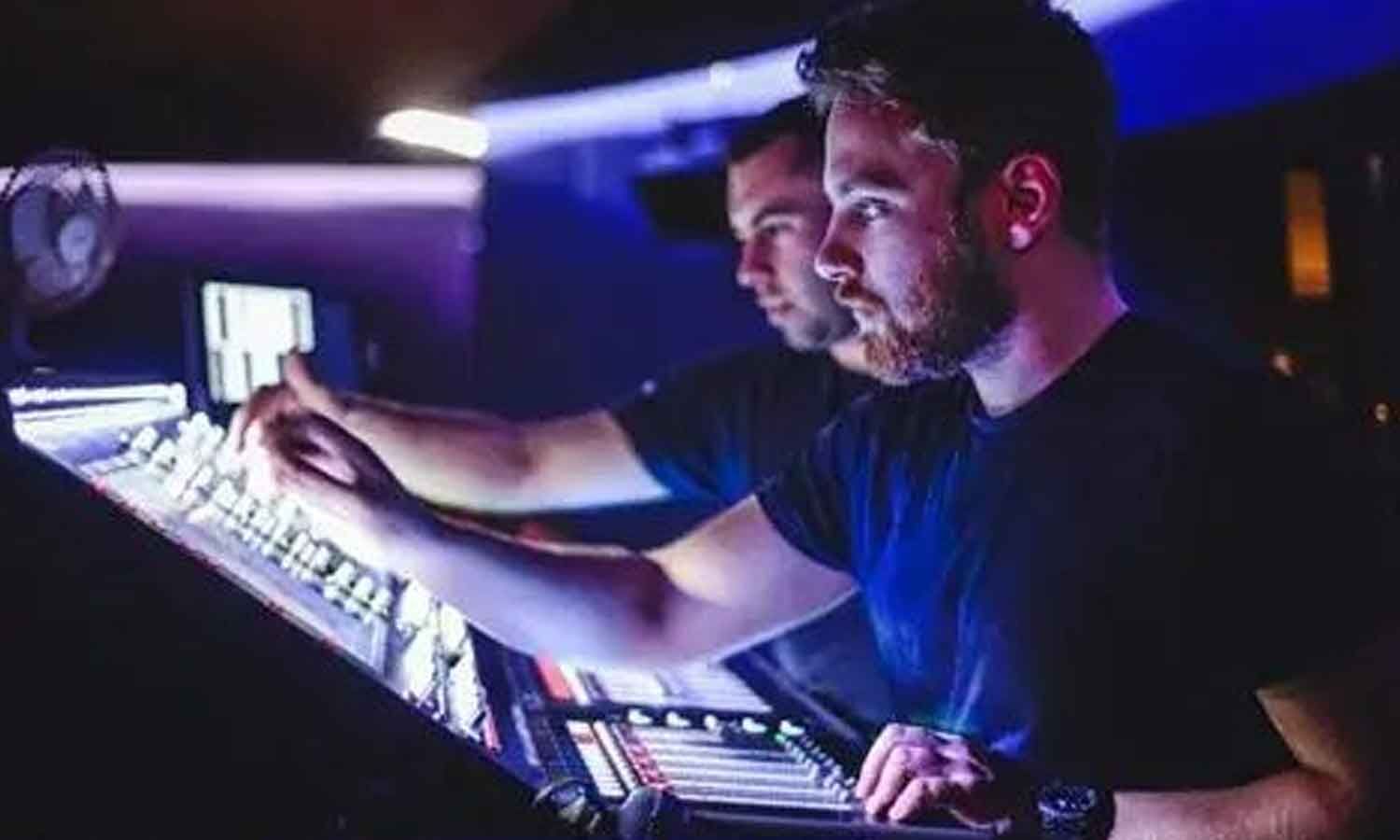
A play or show needs more than performers and costumes to work well.
Stage managers help everyone and all the equipment work together.
They connect the director, actors, backstage workers and technical team.
Their planning starts before the show, with schedules and lists of props and costumes.
During practice, they write down changes so everyone knows what to do.
If something changes at the last minute, they help the team respond.
Students can learn these skills by helping backstage at plays, concerts or school events.
They might check props, microphones or seating, or help performers get ready to enter.

Stage management coordinates the people and technical elements that help performances run smoothly.
Stage managers connect directors, actors, backstage crews and technical teams.
Their work starts before performance day with schedules, instructions, props, costumes and assigned responsibilities.
During rehearsals, they record changes to movement, dialogue, entrances and exits to maintain consistency.
Students can practise organisation, communication, leadership and teamwork by volunteering backstage at performances or events.
- Who
- Stage managers and stage management teams; students may participate as backstage volunteers.
- What
- International Stage Management Day highlights the work of coordinating performances and the skills students can develop backstage.
- When
- International Stage Management Day; no specific date is stated.
- Where
- In theatre, dance, music, cultural festivals and school events.
- Why
- To explain how stage management supports smooth performances and offers students practical skills and experience.
- Role
- Coordinates performance preparations and technical and people-related elements.
- Key connections
- Director, actors, backstage crew and technical team.
- Preparation tasks
- Schedules rehearsals, records director’s instructions, tracks props and costumes, and clarifies responsibilities.
- Rehearsal notes
- Tracks changes in movement, dialogue, entrances and exits.
- Skills developed
- Time management, communication, leadership, problem-solving and teamwork.
- Ways students can help
- Maintain prop lists, arrange seating, check microphones or coordinate performers before entrances.