

Archive · 26 Jul 2025
Science Retracts #arseniclife Study After Controversy
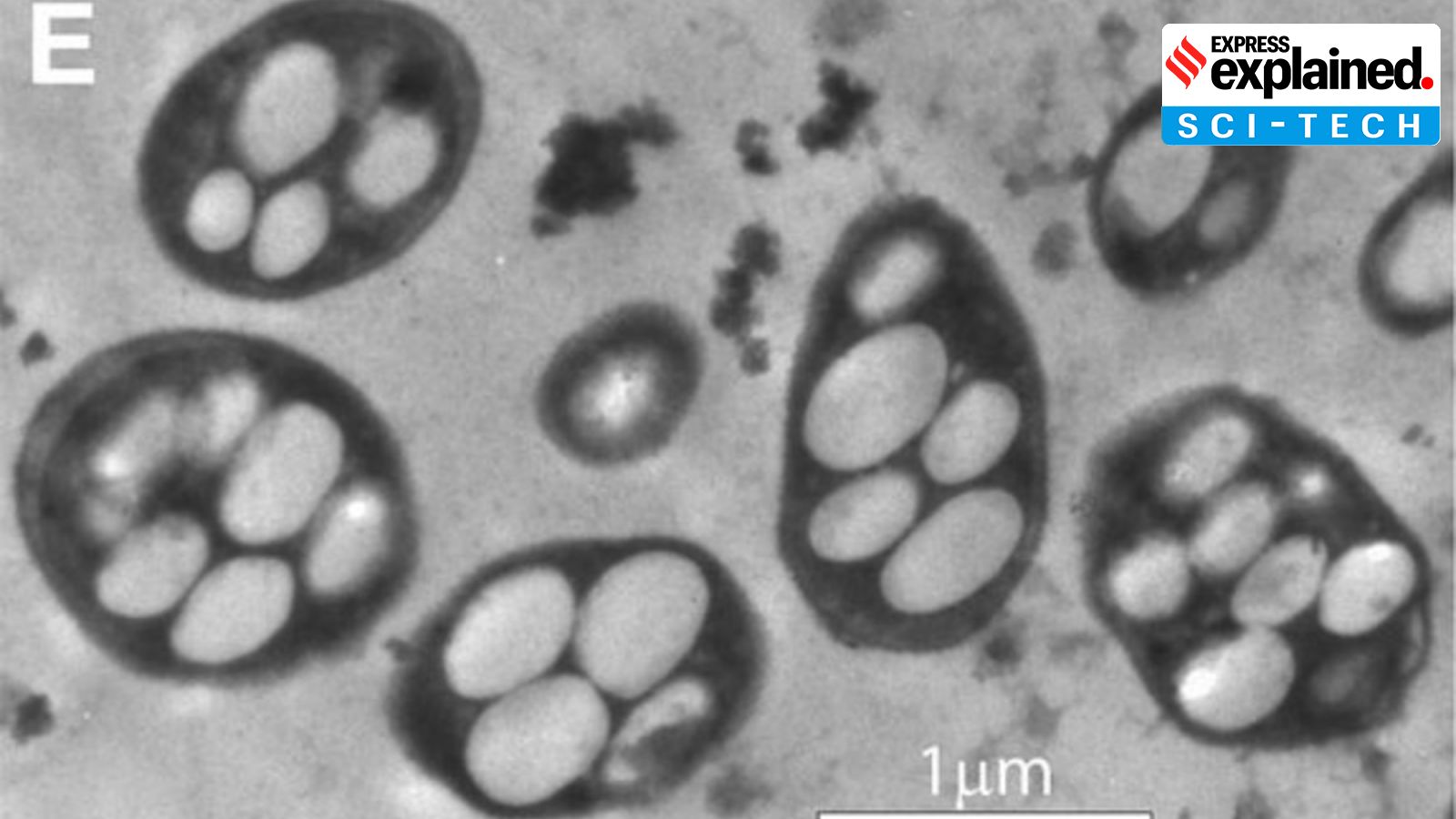
A scientific paper from 2010 claimed to find a microbe that used arsenic instead of phosphorus, which was a big deal because it changed how scientists thought about life.
The study gained a lot of attention.
Now, the journal that published the paper has retracted it because of errors.
The scientists who wrote the paper don't agree with the retraction, and it has started a debate about whether or not the findings were really wrong.
It brings up questions about how accurate scientific papers need to be.

Science journal retracted a 2010 paper about a microbe that allegedly used arsenic instead of phosphorus.
The study claimed the microbe, found in Mono Lake, could survive with arsenic, challenging understanding of life.
The retraction is based on errors and failed replications of the study's findings.
The paper's authors dispute the retraction, citing data interpretation disagreements.
The move raises questions about academic publishing standards and potential for more retractions.
- Who
- Science journal retracted the paper. The original authors and their defenders disagree with the retraction.
- What
- Science retracted a controversial 2010 paper on a microbe that allegedly used arsenic instead of phosphorus.
- When
- The paper was retracted on Thursday.
- Where
- The microbe was collected from Mono Lake, a salty lake in California.
- Why
- The retraction was based on errors by the researchers and failed replications of the study.
Authors' Perspective
Journal's Perspective
Reason for Retraction
Authors' Perspective
Dispute the retraction, claiming data is sound and disagreements are based on interpretation, not flawed data.
Journal's Perspective
Journal's stance is based on the errors and failed replications.
- Journal
- Science
- Paper Published
- 2010
- Microbe Location
- Mono Lake
- Original Claim
- Microbe used arsenic instead of phosphorus
- Reason for Retraction
- Errors and failed replications