

Archive · 12 Aug 2025
Drugs Found in Shrimps in England's Waterways, Study Shows
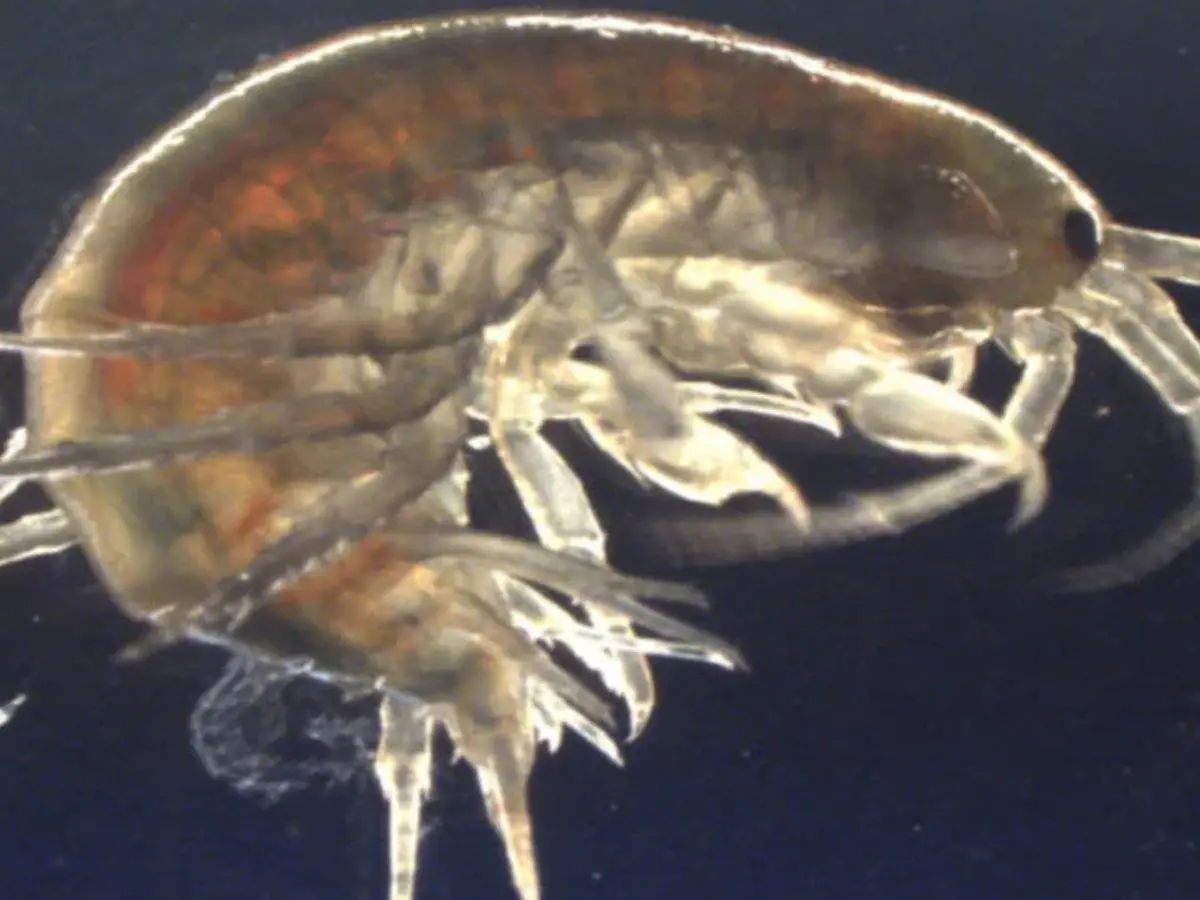
Scientists tested shrimps from England's rivers and found traces of drugs like cocaine and ketamine, as well as pesticides.
The study, done by two universities, wasn't about drugs; it was to see how stuff we use pollutes the water.
They found drugs in almost all the shrimps, which was surprising.
Even though the amounts were small, they could be harmful to wildlife.
The researchers are now concerned about this 'invisible' pollution, and how it might affect the environment.

Shrimps in England's waterways tested positive for cocaine, ketamine, and other drugs.
King’s College London and the University of Suffolk conducted the study.
Cocaine was found in every shrimp sample, while other drugs and pesticides were found in some.
Researchers were surprised by the regular occurrence of illicit drugs in wildlife.
The study aimed to investigate pollution from consumer products in freshwater environments.
- Who
- Researchers from King’s College London and the University of Suffolk.
- What
- Shrimps in England's waterways tested positive for drugs like cocaine, ketamine, xanax, and valium.
- When
- Not specified in the provided articles.
- Where
- England's waterways, samples taken from five catchment areas and 15 sites across Suffolk County.
- Why
- To study how consumer products pollute rivers and freshwater environments.
Scientists
Public
Impact of Chemical Pollution
Scientists
Concerned about the impact of 'invisible' chemical pollution (like drugs) on wildlife health
Public
Not explicitly stated in the articles
- Researchers
- King’s College London and the University of Suffolk
- Location
- England's waterways
- Findings
- Cocaine, ketamine, xanax, valium, banned pesticides in shrimps
- Study Focus
- Impact of consumer products on freshwater environments
- Lead Author
- Thomas Miller