

Archive · 14 Sep 2025
Indian Pharma Industry: Innovators, Generics, and Future Trends
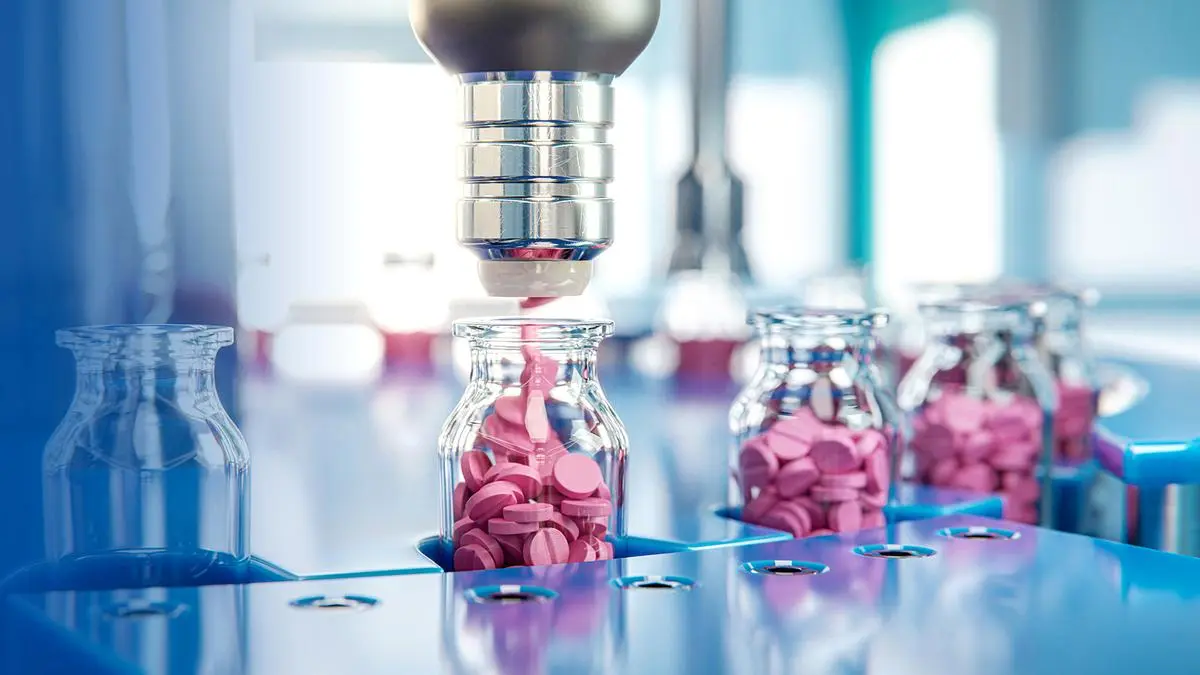
The Indian pharma industry is like a complex game with different players.
Some companies are innovators, creating new drugs, which is risky but can bring big rewards.
Others make generics, which are cheaper versions of drugs after the original patent expires.
Generics are competitive, and prices drop fast.
The industry also involves branded generics, CRDMO (companies that help develop and manufacture drugs), and API (active pharmaceutical ingredients).
Companies are also investing in complex generics like biosimilars, and are also taking advantage of new opportunities, especially due to limitations on Chinese firms' pharmaceutical involvement.

Innovator companies face high risks and costs in developing new drugs but can earn significant profits.
Generic drugs see rapid price declines due to competition, with branded generics using brand power to gain traction.
Complex generics offer value through technical or intellectual property, with higher margins.
CRDMOs benefit from outsourcing by innovators, particularly due to changing global supply chains.
API business is largely commoditized, with high-potent APIs and APIs for innovators getting higher margins.
- Who
- Indian pharmaceutical companies like Sun Pharma, Cipla, and others.
- What
- An analysis of the Indian pharmaceutical industry, covering innovators, generics, and emerging trends.
- When
- Published September 13, 2025.
- Where
- Focus is on the Indian pharmaceutical market and its global impact.
- Why
- To provide insights into the complexities and opportunities within the sector for those interested in the industry.
- Innovator Success Rate (Phase I to Finish)
- Approximately 8% success rate
- Roche FY24 PAT Margin
- 30%
- Sun Pharma Ilumya Sales (FY25)
- $680 million (₹6,000 crore)
- Glenmark-AbbVie Licensing Agreement (ISB 2001)
- $1.2 billion milestone payments
- Generic Price Decline (with > 3 competitors)
- 80-90%
- Lupin Tolvaptan 180-day Exclusivity Sales
- $200 million