

Archive · 20 May 2025
Study Questions Martian Streaks Linked to Water Flows
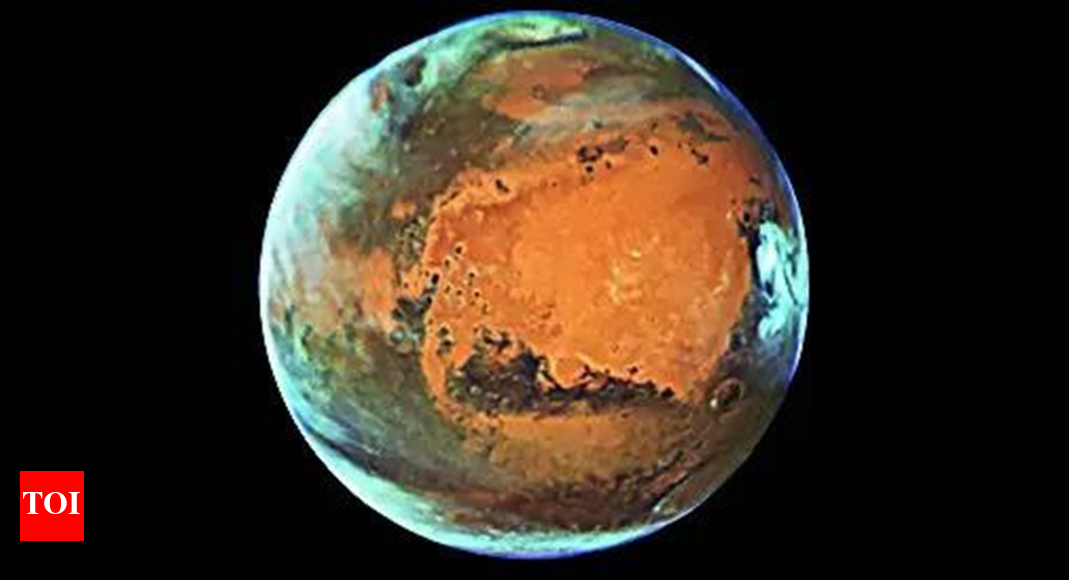
Scientists studied streaks on Mars that look like water flows.
They found these streaks might be made of tiny dust, not water.
This dust flows down slopes when disturbed, like dry sand.
The study used many images to make this discovery.
This suggests Mars may not have water flowing on its surface, making it a less likely place for life to exist, at least on the surface.
It makes scientists look for life in other places on Mars.

New study questions if water flows cause dark streaks on Martian slopes.
Researchers analyzed over 500,000 streaks using satellite images.
Study suggests streaks are formed by fine dust triggered by wind or impacts.
Findings support Mars is currently inhospitable to surface life.
The study used satellite images dating back to the 1970s.
- Who
- Researchers led by Adomas Valantinas and Valentin Bickel
- What
- A study suggesting dark streaks on Mars are likely formed by dry dust processes, not flowing water.
- When
- Published Monday in Nature Communications, with data from 1970s to 2020.
- Where
- Mars, particularly in the northern hemisphere
- Why
- To understand the formation of dark streaks on Mars and assess its potential for life.
Proponents of Wet Processes
Proponents of Dry Processes
Streak Formation
Proponents of Wet Processes
Streaks possibly caused by liquid water or brines, creating potential niches for life.
Proponents of Dry Processes
Streaks formed by dry dust processes, making surface life less likely.
- Planet
- Mars
- Study Leader
- Adomas Valantinas and Valentin Bickel
- Proposed Cause
- Dust and Dry Processes
- Images Used
- Satellite images from 1970s-2020
- Published In
- Nature Communications
- Streak Length
- Roughly 1,970-2,540 feet
