Archive · 21 Sep 2025
Ice Facials: Beauty Trend for Radiant Skin
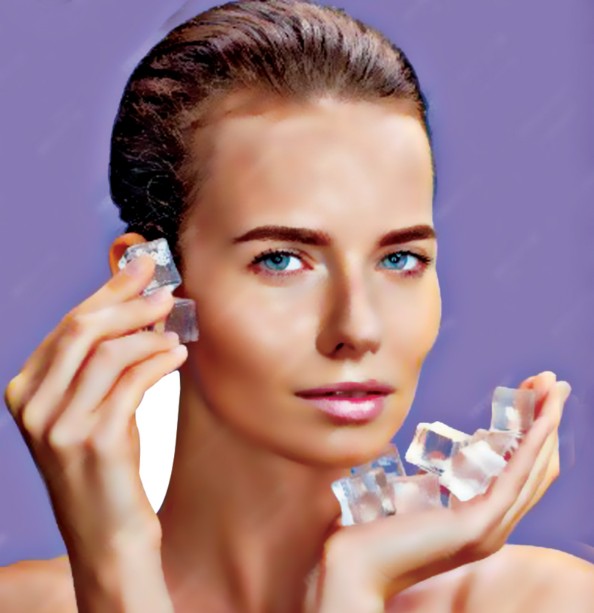
An ice facial is when you use ice on your face.
It's become popular for a refreshing look.
Celebrities do it, too!
It can reduce redness and puffiness, make your pores look smaller and give a tighter look.
You can use ice cubes, cold water, or frozen masks.
It's important to be gentle and not keep the ice on too long to avoid damage.
Use moisturizers afterward and if you have any skin conditions, it's always best to seek a professional consultation.

Ice facials involve rubbing ice on the face or using frozen masks for refreshed skin.
Benefits include reduced redness, inflammation, and tighter pores.
It is a temporary effect, once the skin returns to normal temperature.
Use aloe vera, turmeric, rose water, cucumber, and green tea infused ice cubes.
Direct ice contact can cause frostbite or broken capillaries; avoid direct contact.
- Who
- People seeking refreshed skin, celebrities, models, makeup artists
- What
- Ice facials
- When
- Best after a night of partying or a long flight or in the morning
- Where
- At home or Medi Facials
- Why
- To reduce puffiness, redness, and inflammation and give a tighter look.
- Common methods
- Rubbing ice cubes, immersing in chilled water, using frozen masks
- Benefits
- Reduced redness, inflammation, tightened pores, reduced puffiness
- Ingredients for ice cubes
- Rose water, cucumber, green tea, aloe vera, turmeric
- Duration per session
- 1-2 minutes
- Frequency
- Once daily or every other day
- People to avoid ice facials
- Those with cold urticaria, rosacea, or recent ablative laser/chemical peels