Archive · 16 Nov 2025
Trump Administration Plans New Rule Targeting Immigrants from Certain Countries
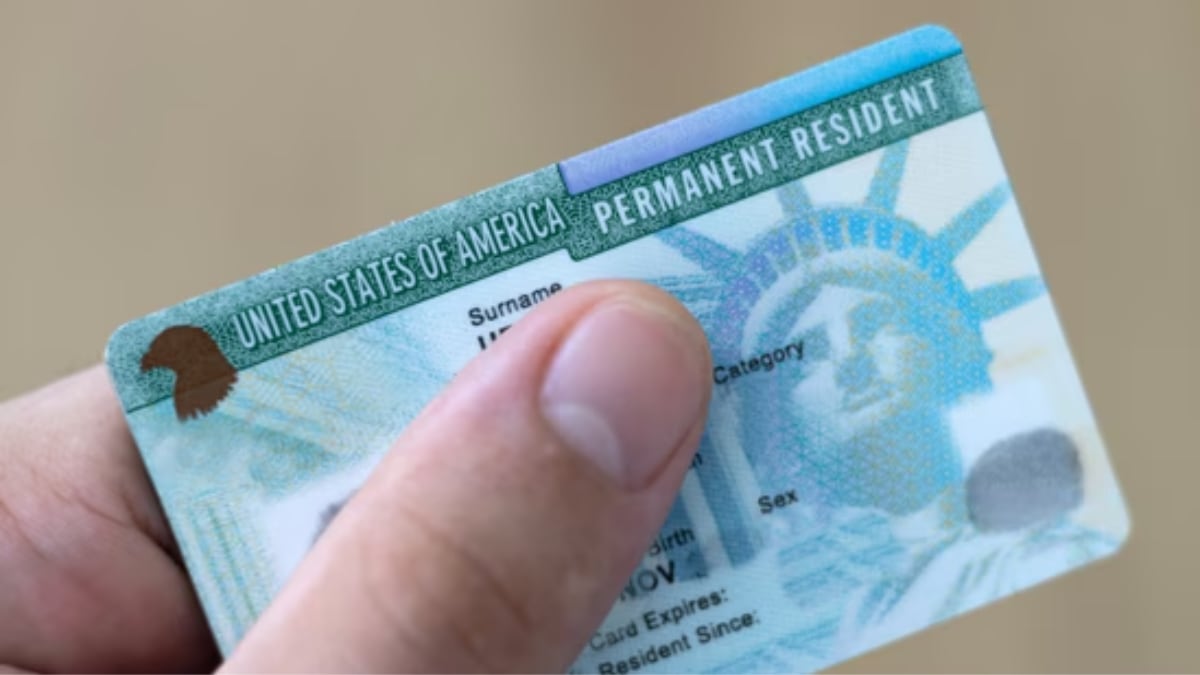
The U.S. government is planning a new rule that could make it much harder for people from certain countries to get a green card, asylum, or parole.
These countries are already on a list for President Trump's travel ban.
The government says it's because some countries don't share enough information to properly check people's backgrounds or their passports aren't secure.
This new rule would make the country someone comes from a big reason to deny their immigration request.
It won't affect people applying for U.S. citizenship.
Critics worry this is like a hidden ban and could be unfair to people already in the U.S. They also argue that judging people based on their nationality is wrong and discriminatory.
The administration says this is important for national security.

The Trump administration is developing a new rule to make it harder for immigrants from specific countries to obtain green cards, asylum, and parole.
Under the proposed policy, an applicant's country of origin would be considered a 'significant negative factor' in immigration decisions.
This rule would leverage information from President Trump's existing travel ban, which affects countries primarily in Africa and the Middle East.
The administration cites concerns about inadequate security checks and unreliable identity documents from certain nations as the reason for the proposed change.
While citizenship applications would not be affected, the new policy could act as a 'quiet ban' for individuals from the targeted countries, according to a former USCIS official.
- Who
- The Trump administration (Department of Homeland Security, USCIS)
- What
- Planning to implement a new rule that would consider a person's country of origin as a negative factor in immigration decisions, potentially making it harder to obtain green cards, asylum, and parole.
- When
- The rule is still being finalized; internal documents were reviewed by The New York Times.
- Where
- United States
- Why
- To tighten legal immigration from countries perceived to have inadequate security checks or unreliable identity documents, and to address concerns that individuals from these nations may overstay visas or pose risks.
Critics
Administration Rationale
Impact of Country-Specific Factors
Critics
Treating country of origin as a significant negative factor is absurd and a radical change, potentially creating a de facto ban for individuals from listed countries, even if they have already been screened.
Administration Rationale
Considering country-specific factors is necessary due to concerns about inadequate security checks and unreliable identity documents from certain nations, and potential visa overstays or risks posed by foreign nationals.
Basis for Immigration Decisions
Critics
Immigration decisions should not be based on nationality, as it is discriminatory and impacts individuals who have already been vetted.
Administration Rationale
National security concerns and the inability to properly vet individuals from certain countries justify using country-specific information to assess immigration applications.
- Proposed Rule
- Country of origin to be treated as a significant negative factor for immigration requests.
- Affected Applications
- Green cards, asylum, parole (citizenship applications unaffected).
- Basis for Rule
- Concerns about security checks and identity document reliability from specific countries.
- Countries Affected by Travel Ban (Full Ban)
- Afghanistan, Chad, Eritrea, Iran, Libya, Myanmar, Republic of Congo, Somalia, Sudan, Yemen.
- Countries Affected by Travel Ban (Partial Restrictions)
- Burundi, Cuba, Laos, Sierra Leone, Togo, Turkmenistan, Venezuela.
- Exemptions
- Existing visas, green-card holders, athletes for World Cup/Olympics, Afghan SIV program recipients, US government employees with SIVs, certain Iranian minorities, individuals granted case-by-case waivers.